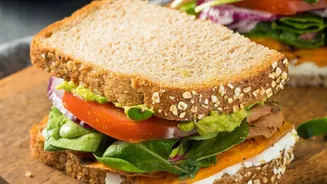


The Power Trio: Protein, Fibre, and Fat
The feeling of fullness, or satiety, is largely controlled by three key nutrients: protein, fibre, and healthy fats. Each plays a distinct role in telling your brain that you've had enough to eat. Protein is considered the most filling macronutrient.
It helps reduce the “hunger hormone” ghrelin while boosting hormones that signal fullness. Fibre adds bulk to your meal and slows down digestion, which keeps you feeling satisfied for a longer period. Finally, healthy fats also slow digestion and contribute to a feeling of satisfaction. A meal that balances all three is the foundation of a dish that truly sticks with you.
Make Protein the Star of Your Plate
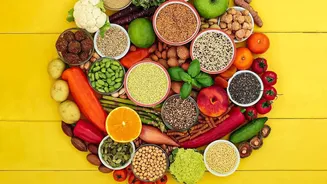
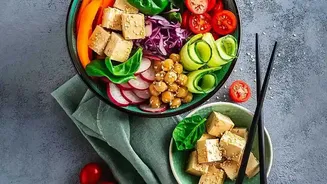
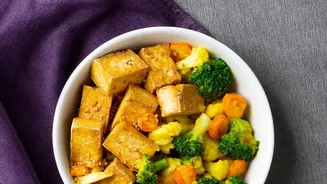
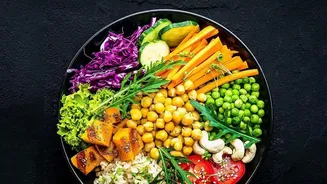
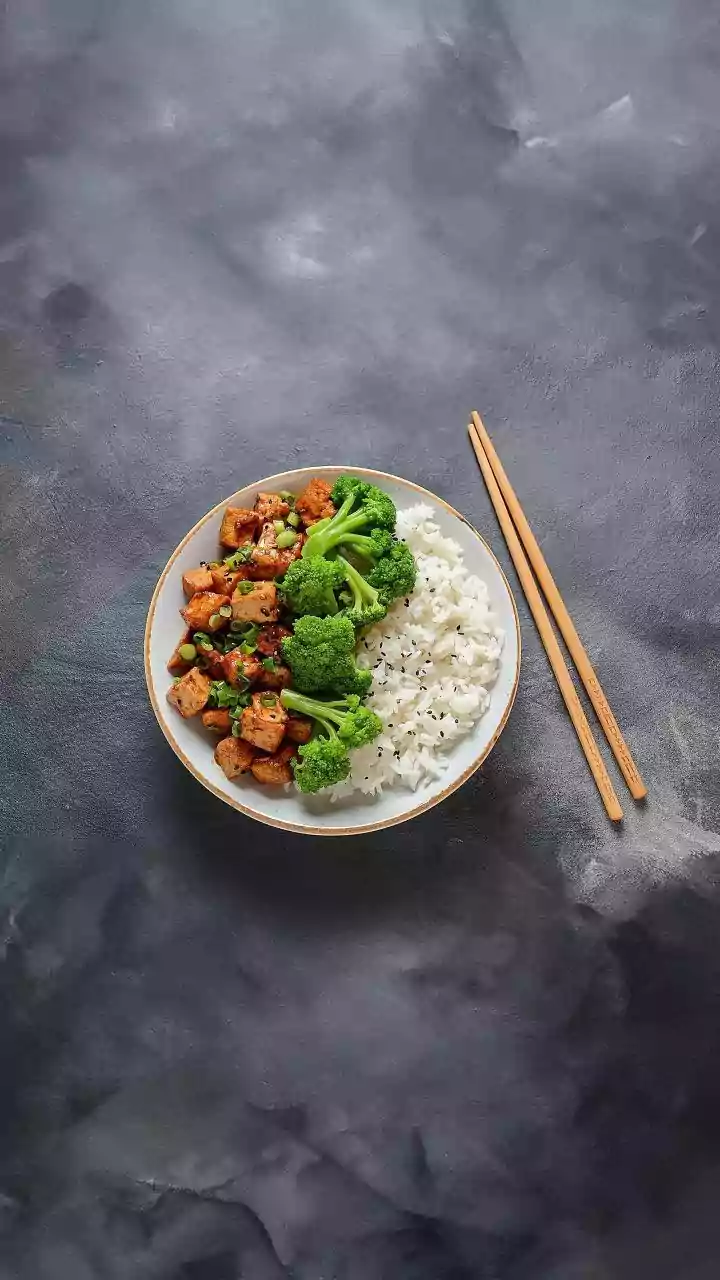
When building a vegetarian meal, protein should be your main event. It's what gives a meal its staying power. Many people worry about getting enough protein on a vegetarian diet, but excellent plant-based sources are abundant. Legumes are a powerhouse category, including lentils, chickpeas, black beans, and peas. Soy products like tofu, tempeh, and edamame are also fantastic sources; soy is even a 'complete' protein, meaning it contains all the essential amino acids your body needs. Don't forget about nuts, seeds, and certain whole grains like quinoa and farro. Including a generous portion of one or more of these in every meal is the first step to conquering post-meal hunger.
Fill Up with Fibre
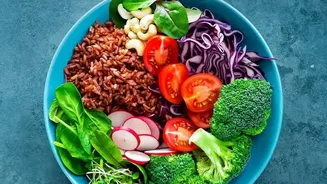
Fibre is the unsung hero of satiety. It works by adding volume to food without adding a lot of calories and by slowing down the rate at which your stomach empties. This leads to a more gradual release of energy and a prolonged feeling of fullness. Excellent vegetarian sources of fibre are everywhere. Whole grains like oats, barley, and brown rice are fundamental. All vegetables are good sources, especially leafy greens like spinach, and cruciferous veggies like broccoli and cauliflower. Fruits, particularly those you eat with the skin on like apples and pears, are also great. Legumes do double duty, providing both protein and a significant amount of fibre. Aim to make half your plate vegetables and include whole grains to ensure you're getting enough.
Embrace Healthy Fats for Satisfaction
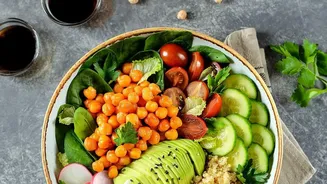
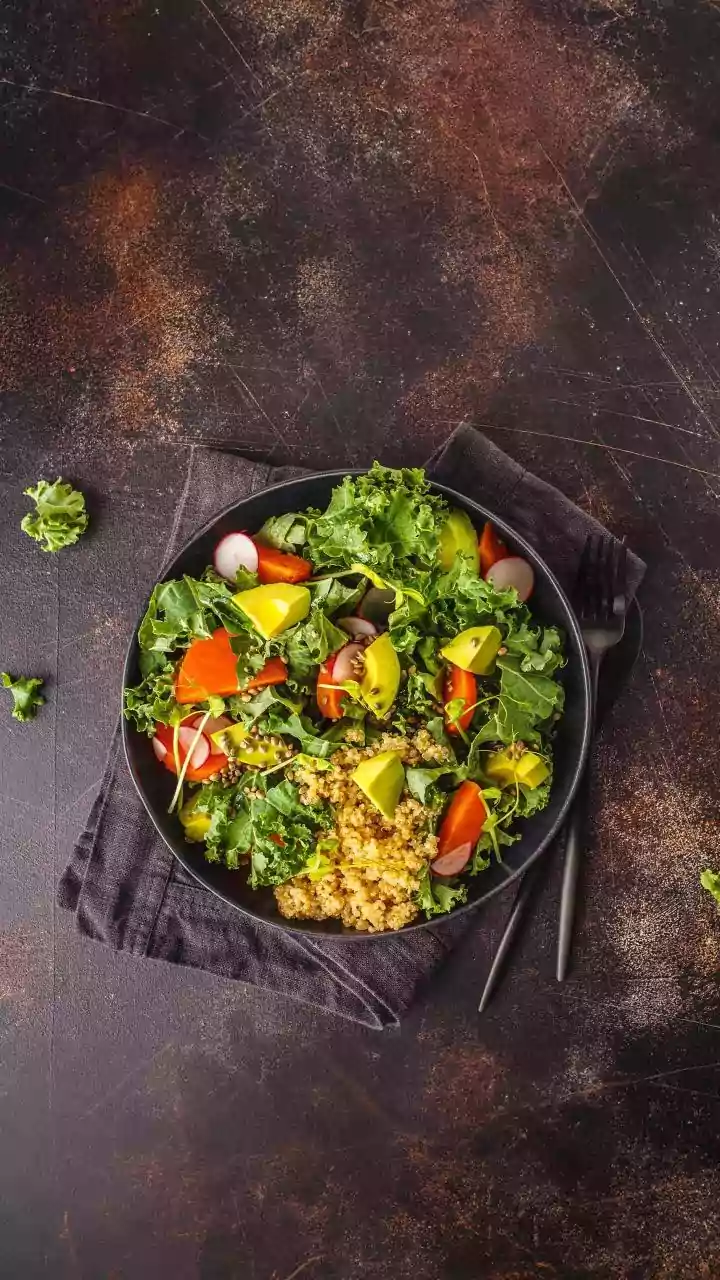
Fat has been wrongly vilified in the past, but healthy, unsaturated fats are crucial for a satisfying meal. They add flavour and contribute to that pleasant, contented feeling after eating by slowing down digestion. Great vegetarian sources of healthy fats include avocados, which can be added to salads, bowls, or toast. Nuts and seeds like walnuts, almonds, chia seeds, and flaxseeds are also excellent choices, whether as a snack or sprinkled over your meal. Using olive oil for dressings or light cooking is another easy way to incorporate these beneficial fats. A small serving is all you need to make a noticeable difference in how full you feel.
How to Build Your Perfect Plate
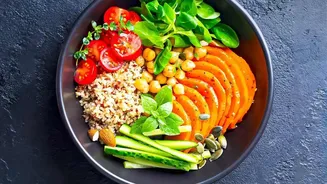
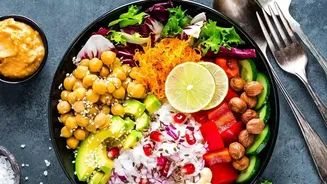
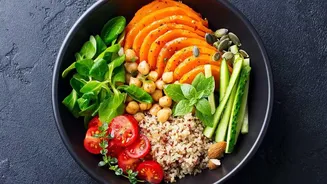
Putting it all together is simple when you follow a formula. Imagine your plate and aim to fill it with these components. Start with a protein source, like a cup of lentils or a block of grilled tofu. Add a complex carbohydrate for fibre, such as a serving of quinoa or a baked sweet potato. Then, load up the rest of your plate with non-starchy vegetables like roasted broccoli, sautéed spinach, or a large mixed salad. Finally, add a serving of healthy fat, like a quarter of an avocado, a sprinkle of pumpkin seeds, or a drizzle of olive oil dressing. This combination ensures you hit all the satiety markers, creating a meal that is both nutritious and deeply satisfying.