






A Fasting Favourite
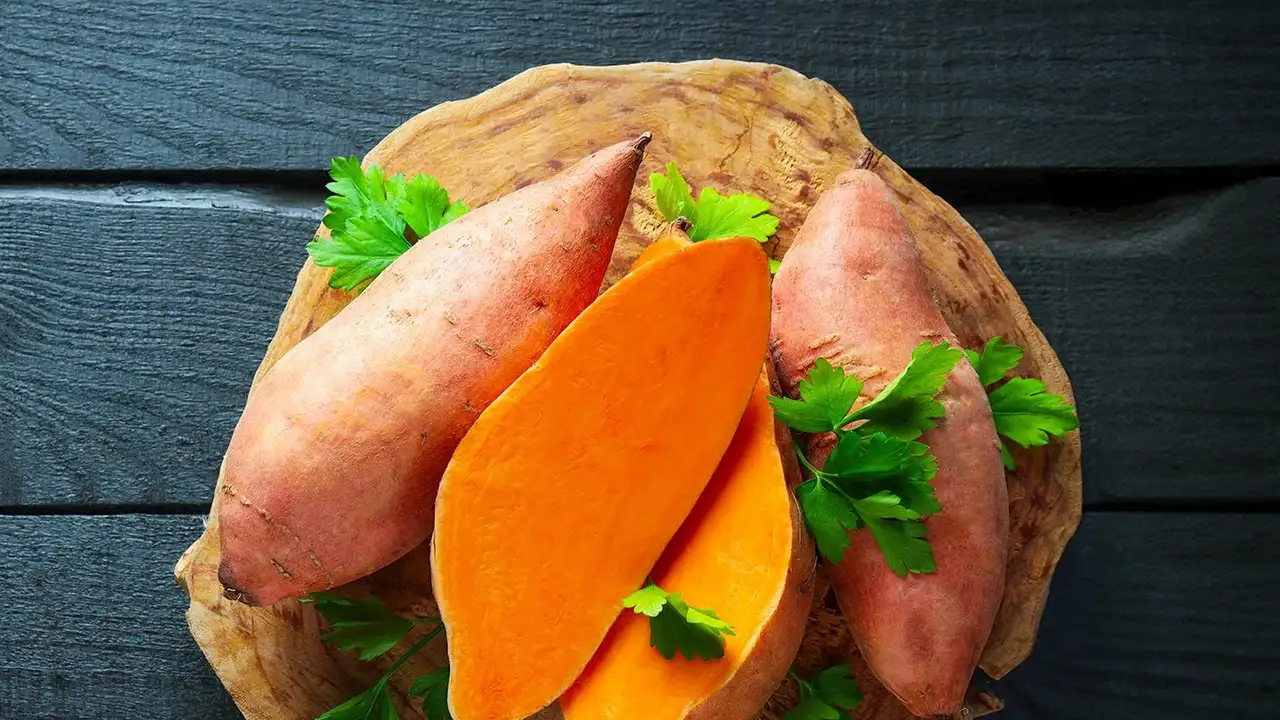
Sweet potato, or shakarkandi, is a staple during Hindu fasting periods like Navratri for good reason. It is a permitted root vegetable that is not only filling but also packed with essential nutrients, fibre, and antioxidants, providing sustained energy
to keep you going through the day. Its natural sweetness offers a delightful contrast to the tangy and spicy flavours of chaat, making it a perfect base for a vrat-friendly snack. Unlike regular potatoes, sweet potatoes offer a unique flavour profile and are considered a superfood, making this chaat both a tasty and a healthy choice.
Gathering Your Ingredients
This recipe uses simple, vrat-approved ingredients. Remember to use sendha namak (rock salt) instead of regular table salt. The list of allowed spices can vary by community, so feel free to adjust based on your family's traditions.For this recipe, you will need:- 2 medium sweet potatoes (about 300-350 grams)- 1 tablespoon of ghee or oil- Sendha namak (rock salt) to taste- 1/2 teaspoon roasted cumin powder- 1/4 teaspoon black pepper powder- 1 tablespoon fresh lemon juice- 1-2 green chillies, finely chopped (optional)- 1/4 cup pomegranate seeds for garnish- 2 tablespoons fresh coriander leaves, chopped- 2 tablespoons roasted peanuts, coarsely crushed (optional for crunch)- 2-3 tablespoons of plain yogurt (dahi), whisked (optional)
Preparing the Sweet Potatoes
The first step is to cook the sweet potatoes until they are tender but not mushy. You can either boil, steam, or roast them. For boiling, wash the sweet potatoes thoroughly and place them in a pressure cooker with enough water to cover them. Cook for 2-3 whistles. Allow the pressure to release naturally before opening the lid. Alternatively, you can roast them in a pan. After washing and drying the sweet potatoes, place them in a pan, cover with a lid, and cook on a low flame for 15-20 minutes until they are tender and the skin is slightly charred. Once cooked and cool enough to handle, peel the sweet potatoes and cut them into bite-sized cubes.
The Perfect Vrat Dressing
The dressing for this chaat is a simple mix of fasting-approved spices that packs a punch. In a small bowl, combine the roasted cumin powder, black pepper powder, and sendha namak. If you're using them, have your finely chopped green chillies and fresh lemon juice ready. For those who enjoy a creamier texture, a bit of whisked plain yogurt can be added, which also helps to moisten the chaat. You can also add fasting-friendly chutneys like a simple green chutney made with coriander or a sweet tamarind chutney, provided they are made without prohibited ingredients.
Assembling the Chaat
To bring it all together, place the warm, cubed sweet potatoes in a mixing bowl. Drizzle with ghee if you like, which adds a wonderful flavour, especially if you pan-fry the cubes until slightly golden. Sprinkle the spice mix (cumin, pepper, salt) over the potatoes. Add the lemon juice and chopped green chillies and toss gently to combine everything without mashing the potatoes. You can either mix in the optional yogurt now or use it as a topping. Transfer the chaat to a serving dish. Garnish generously with fresh pomegranate arils, chopped coriander leaves, and crushed roasted peanuts for a delightful crunch. It's best served immediately while the sweet potatoes are still warm.
Tips and Variations
For the best chaat, choose sweet potatoes that are firm with smooth skin. To make this chaat vegan, simply omit the yogurt and ghee. For a different texture, you can air-fry the sweet potato cubes after boiling them until they are crispy on the outside. Feel free to add other fasting-friendly ingredients like chopped cucumber for freshness or a spoonful of tamarind chutney for extra tanginess. The spice levels can be adjusted to your preference; increase the green chillies or black pepper for more heat. Some variations also include additions like roasted sesame seeds for another layer of flavour.