






The Shared Thirst for Escape
For many young professionals across India's bustling cities, the glow of a laptop screen is both the first and last light they see each day. A hyper-competitive work culture, combined with the pressures of urban living, has led to a widespread sense of burnout.
This isn't just about feeling tired; it's a deep-seated exhaustion that has an entire generation seeking more than just a simple holiday. They are looking for a reset button. This growing need to disconnect and recover is fueling a boom in wellness travel, but with a clear divide in approach. The question is no longer just where to go, but how to heal: by looking inward or by pushing outward?
The Inward Journey of Yoga
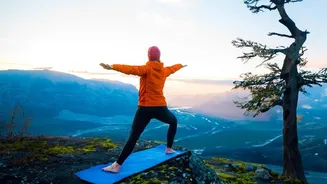
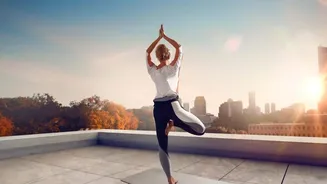
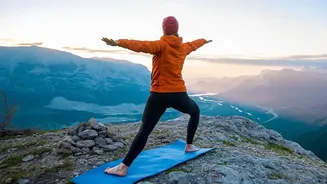
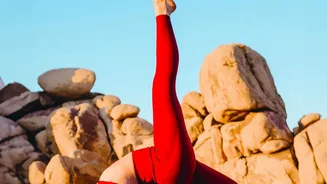
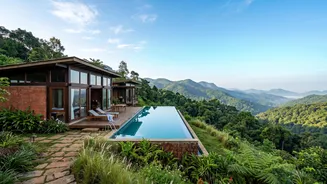
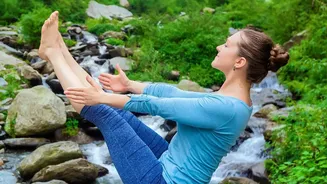
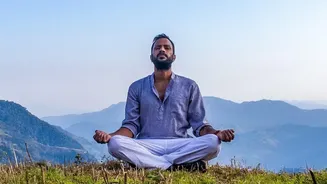
The path of yoga offers an antidote to the chaos of modern life. For a generation plagued by anxiety and digital fatigue, a quiet studio or a spiritual retreat in Rishikesh promises a sanctuary for the mind. The appeal lies in its focus on introspection and calm. Corporate yoga programs are becoming increasingly common, designed to reduce stress, improve focus, and combat the physical ailments of a desk-bound job. Proponents find that practices like pranayama (breathing exercises) and meditation help manage anxiety and improve mental clarity under pressure. This modern revival of yoga isn't just about physical flexibility; it's about building emotional resilience and finding stillness in a world that never stops moving. It is an escape into the self.
The Outward Challenge of Trekking
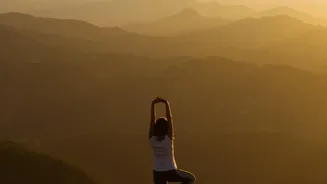
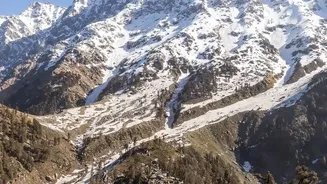
On the other side of the spectrum is the call of the wild. Adventure trekking, particularly in the Himalayas, is rapidly gaining popularity among the same demographic. This choice is not about finding stillness but about embracing a strenuous physical challenge. The appeal is visceral: swapping office air-conditioning for thin mountain air, and corporate hierarchies for the simple goal of reaching the next peak. Treks offer a sense of accomplishment that a resort holiday often can't provide. The exhaustion is physical, not mental, and the disconnection is absolute, enforced by remote landscapes with no network coverage. It’s a way to prove one's resilience and patience, finding a sense of calm and self-reflection through movement and conquest.
Two Paths to the Same Goal?
While yoga and trekking appear to be opposites—one emphasizing stillness, the other strenuous motion—they are ultimately two sides of the same coin. Both are intentional choices for self-improvement and mental peace. Both offer a much-needed digital detox and a break from the relentless pace of urban life. Some are even combining the two, with 'yoga treks' becoming a niche but growing trend where days of walking are bookended by yoga and meditation sessions. This hybrid approach uses yoga to prepare the body for the physical demands of trekking and aids in recovery, while the trek itself provides a meditative backdrop. It shows that the choice isn't necessarily about yoga versus trekking, but about finding the right tool for one's well-being at a given time.
A Quest for Balance
Ultimately, the rise of both yoga sessions and adventure trekking highlights a significant cultural shift. Young Indian professionals are actively rejecting the 'hustle culture' in favour of a more balanced existence. They are investing their time and disposable income in experiences that promise genuine restoration, not just temporary distraction. This isn't merely a trend; it's a statement. It signifies a move towards preventative wellness, where managing stress and maintaining mental health are seen as essential, not optional. The choice between a downward-facing dog and an upward mountain climb is a personal one, but the underlying motivation is universal: a deep-seated desire to find balance and meaning beyond the confines of a 9-to-5 life.