



The Power of Whole Foods
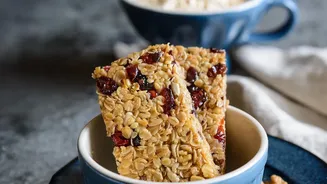
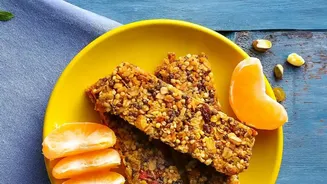
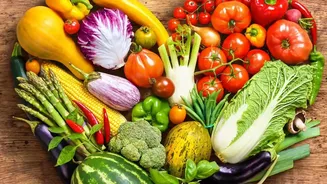
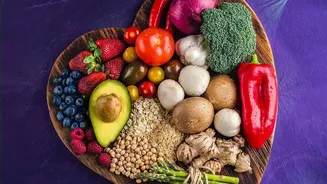
Before diving into recipes, let's clarify what 'whole foods' are. Essentially, they are foods that remain as close to their natural state as possible, with minimal processing, refining, or added artificial ingredients. Think vegetables, fruits, legumes,
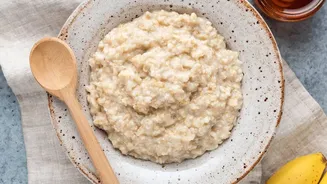
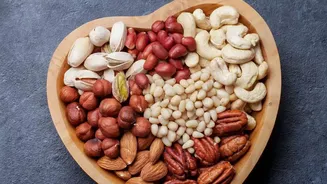
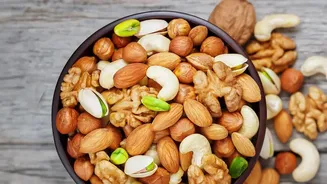
nuts, seeds, and whole grains like oats and millets. A breakfast built around these ingredients is rich in fibre, vitamins, and minerals, which helps to stabilize blood sugar, improve digestion, and keep you feeling full and satisfied for longer.
Vegetable Poha: A Light and Classic Choice
Poha, or flattened rice, is a beloved Indian breakfast staple that is light on the stomach and easy to digest. To elevate its nutritional profile, load it with colourful vegetables like peas, carrots, onions, and capsicum. This not only adds vitamins and fibre but also makes the dish more filling. A squeeze of lemon at the end not only enhances the flavour but also helps in the absorption of iron, a mineral that poha is rich in. Prepared with minimal oil, vegetable poha is an excellent source of healthy carbohydrates that provide sustained energy.
Millet Upma: A Nutritious Twist on a Favourite
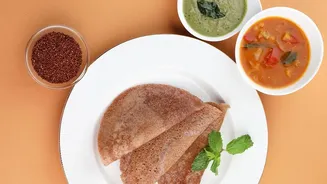
While traditionally made with semolina (rava), swapping it for millets like foxtail, little, or barnyard millet can transform upma into a gluten-free, high-fibre powerhouse. Millets are packed with protein and essential nutrients. This version of upma is not only gentle on the digestive system but also helps in managing blood sugar levels. You can prepare it just like regular upma, sautéing mustard seeds, lentils, and vegetables before adding the washed millet and water. The result is a fluffy, flavourful, and deeply nourishing breakfast.
Steamed Moong Dal Dhokla: Protein-Packed and Gentle
For a breakfast that is high in protein yet incredibly light, look no further than steamed moong dal dhokla. Made from soaked and ground moong dal (split green gram), this savoury cake is fermented and steamed, not fried. The fermentation process makes it easier to digest and enhances its nutritional value. Moong dal is an excellent source of plant-based protein, which helps in muscle repair and keeps you feeling full. Being steamed, it's low in calories and fat, making it a perfect gentle start to the day.
Oats Idli: A Modern, Fibre-Rich Option
Idlis are already known for being a healthy, steamed breakfast. By making them with oats instead of or mixed with rice, you can significantly boost their fibre content. Oats idlis are light, soft, and incredibly easy to prepare. They offer the digestive benefits of traditional fermented idlis along with the heart-healthy properties of oats. A single oats idli is low in calories but provides a good amount of protein and carbohydrates for energy. Pair them with a simple coconut chutney or a bowl of sambar for a complete and satisfying meal.
Fruit and Nut Smoothie Bowl
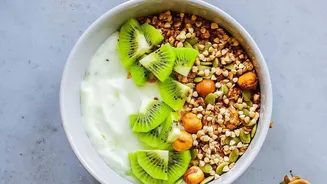
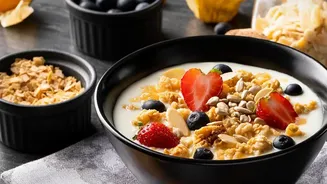
When you're short on time, a smoothie bowl is a fantastic way to pack in a lot of nutrition. Blend your favourite seasonal fruits like banana or mango with a splash of milk or yoghurt for a creamy base. Add a handful of spinach for extra vitamins without altering the taste. Pour it into a bowl and top with nuts like almonds or walnuts for healthy fats, and seeds like chia or flax for an extra fibre and omega-3 boost. This breakfast is not only visually appealing but also incredibly gentle on the stomach and easy to digest.