


The Case for Grinding Seeds
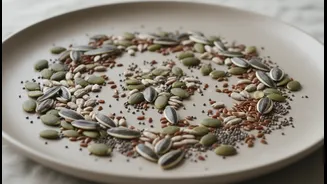
Have you ever tossed a handful of whole flax or chia seeds into a muffin batter, only to find them adding a gritty, unappealing texture? You're not alone. While seeds are packed with nutrients, their tough outer shells are difficult for our bodies to break
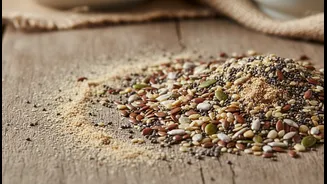
down. Many whole seeds can pass through your digestive system intact, meaning you miss out on their valuable health benefits. Grinding seeds before use solves this problem. It breaks down the hard hull, making the nutrients inside—like omega-3 fatty acids, fiber, and protein—more bioavailable for your body to absorb. The resulting powder, often called a meal, has a fine, soft consistency that disappears into recipes, enhancing texture rather than disrupting it.
A Nutritional and Textural Upgrade
Ground seeds do more than just boost nutrition; they are a baker's secret weapon for better texture. In batters for pancakes, muffins, and quick breads, ground seeds help retain moisture, leading to softer, more tender results. Because ground seeds like flax and chia absorb liquid and form a gel, they act as a natural binder. This is especially useful in vegan and gluten-free baking, where structure can be a challenge. For example, a “flax egg,” made by mixing one tablespoon of ground flaxseed with three tablespoons of water, is a popular and effective substitute for a real egg in many recipes. This gel-like consistency also helps to thicken smoothies, soups, and porridges, giving them a creamier mouthfeel.
Which Seeds to Grind and How
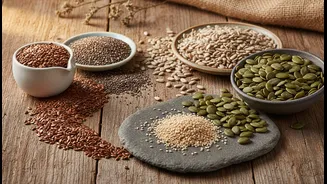
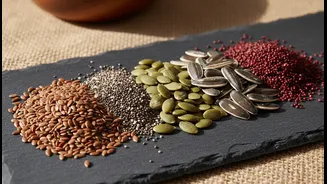
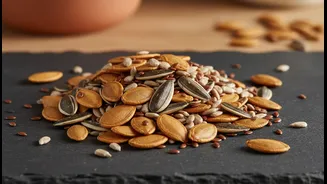
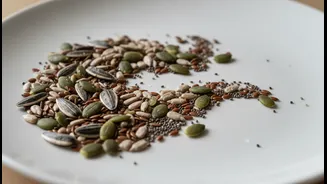
While many seeds benefit from grinding, flax and chia seeds are the most common candidates. Their hard outer shells make grinding almost essential for nutrient absorption. Sunflower and pumpkin seeds can also be ground to create a nutty flour that adds flavor and richness to baked goods. The best and easiest way to grind seeds at home is with a clean coffee grinder or a dedicated spice grinder. These appliances quickly turn seeds into a fine, consistent powder. For larger batches, a high-powered blender or food processor can also work, though it may take a few minutes to get the right consistency. If you don't have an electric grinder, a traditional mortar and pestle can be used for small amounts. It’s best to grind seeds as you need them, as their healthy oils can oxidize and go rancid over time when exposed to air. If you do grind a larger batch, store it in an airtight container in the fridge or freezer to maintain freshness.
Perfect for Batters and Doughs
Incorporating ground seeds into your baking is simple. For most batters, like those for muffins and pancakes, you can add one or two tablespoons of ground seeds directly to your dry ingredients for a boost in fiber and moisture. The oils in ground flaxseed can even allow you to reduce the amount of butter or shortening in a recipe. In bread doughs, ground seeds contribute to a softer crumb and can improve how the dough handles. You can try replacing a small portion of the flour in your favorite cookie or bread recipe with ground seed meal for added nutty flavor and nutritional value.
Elevate Your Breakfast Game
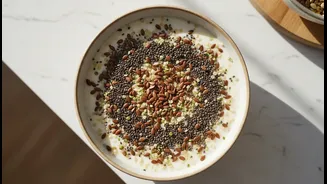
Breakfast is one of the easiest meals to enhance with ground seeds. Stir a tablespoon of ground flax, chia, or a mix of seeds into your morning oatmeal or yogurt. This not only adds fiber and protein to keep you full longer but also creates a richer, creamier texture. In smoothies, ground seeds are a game-changer. Unlike whole seeds, which can settle at the bottom or get stuck in your teeth, ground seeds blend in completely, helping to thicken the smoothie and adding a nutritional punch without any grittiness. Just a single tablespoon can transform your breakfast from standard to supercharged, providing a steady release of energy to start your day right.