




The Great Indian Protein Rush
The Indian food market is in the midst of a protein revolution. Major FMCG giants and nimble startups are aggressively reformulating their products to pack more protein per serving. Companies like Amul, Britannia, and ITC are launching or promoting high-protein
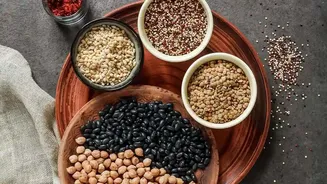
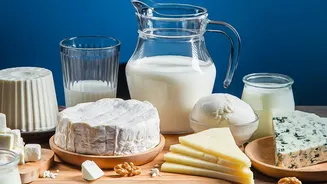
versions of everyday staples, including lassi, bread, and even traditional sweets like kulfi. This isn't just about launching new health-focused lines; it's about embedding protein into the products Indian families consume daily. Quick commerce platforms have reported a staggering 150% surge in protein-related orders over the past two years, expanding their portfolios to thousands of items to meet this demand. The trend extends from modern formats like protein bars and shakes to fortified versions of traditional foods like dosa batter, paneer, and atta.
Why Now? The Drivers of Demand
Several factors are fueling this national craving for protein. A primary driver is rising health and nutritional consciousness, with consumers actively moving from being calorie-conscious to nutrient-conscious. There is growing awareness of the widespread protein deficiency in the country; studies suggest a large percentage of the population consumes less than the recommended daily amount, often relying heavily on cereals which provide lower-quality protein. This awareness, amplified by social media and a booming fitness culture, is encouraging people to seek out better nutrition. Furthermore, rising disposable incomes and increasing urbanization mean more consumers have the willingness and ability to pay a premium for products they perceive as healthier.
From Niche Gym Product to Mainstream Staple
For years, protein supplements were seen as a niche product for bodybuilders and serious athletes. That perception has changed dramatically. The market is witnessing a clear democratization of protein, moving it from the gym bag to the kitchen pantry. Brands are deliberately creating products in familiar and affordable formats to make protein accessible to the masses. Amul, for example, has targeted making protein a part of the daily diet through a wide array of products, from protein water and sandwiches to paneer parathas. This shift is also visible in where the growth is happening. While metros like Bengaluru still lead in demand, the fastest growth is now seen in Tier II and smaller cities like Nagpur, Jaipur, and Guwahati, indicating a nationwide trend.
The Industry's Next Big Challenge
While the opportunity is massive—with the Indian protein supplement and plant-based protein markets projected to be worth billions of dollars and growing steadily—brands face significant hurdles. One of the biggest challenges is formulation: creating high-protein products that don't compromise on the taste and texture that consumers are used to. Affordability is another key factor, especially when targeting mass-market adoption beyond the urban affluent. There are also supply chain complexities. For instance, the burgeoning plant-based protein sector currently imports nearly 90% of its core ingredients, presenting a major challenge and a domestic manufacturing opportunity. Furthermore, the food processing industry is fragmented, with many small-scale players lacking the technology for effective fortification.