

The Tradition of 'Safed Makhan'
Long before yellow, salted butter became a staple in refrigerators, there was 'safed makhan'. This is the pure, unsalted butter churned at home from malai (cream). Its cultural roots run deep, famously associated with Lord Krishna's childhood tales, where
it symbolises purity and love. Unlike its commercially produced counterpart, homemade white butter is minimally processed. The process is simple: fresh cream is churned until the butterfat separates from the buttermilk. This traditional method ensures that the butter is free from preservatives, added salt, and artificial colouring that are often found in store-bought varieties.
White Butter vs. Yellow Butter
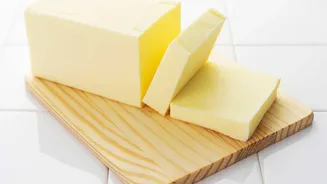
The most obvious difference is colour, but it goes deeper than that. Commercial yellow butter often gets its hue from beta-carotene, which can come from the diet of grass-fed cows, but can also be added. White butter is typically made from the milk of grain-fed cows or buffaloes, which is naturally lower in this pigment. Nutritionally, homemade white butter often has a slight edge. It is generally lower in calories and sodium because it contains no added salt. Some sources suggest it also contains less saturated fat and may be easier to digest for those with lactose sensitivity due to a lower milk solid content. However, the primary advantage is control; when you make it yourself, you know exactly what's in it—pure cream and nothing else.
The Health and Wellness Connection
When consumed in moderation, white butter can be a part of a healthy diet. It's a natural source of fat-soluble vitamins like A, D, and E, which are essential for immunity, bone health, and skin. The healthy fats in white butter can also aid in the absorption of these vitamins from other foods. It contains lecithin, a substance that may help with fat metabolism, and other compounds like Conjugated Linoleic Acid (CLA), which some studies suggest have health benefits. The key is to view butter not as a health food to be consumed in large quantities, but as a whole-food fat source that, when used correctly, is a better alternative to highly processed spreads.
The Unseen Benefit: Natural Portion Control
This is where homemade butter truly shines. The very act of making butter at home fosters a more mindful approach to eating it. Unlike a convenient tub of commercial butter that you can easily scoop and spread generously, homemade makhan requires effort. The process of collecting cream and churning it creates a deeper appreciation for the final product. You are more conscious of its richness and value. This inherent mindfulness often leads to smaller, more deliberate portioning. You're less likely to slather it on toast without a second thought when you've invested your own time into creating it. This conscious consumption is a powerful tool for managing intake without feeling deprived.
Finding the Right Balance
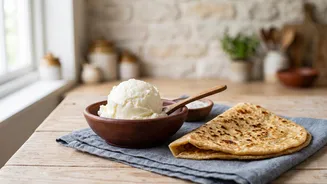
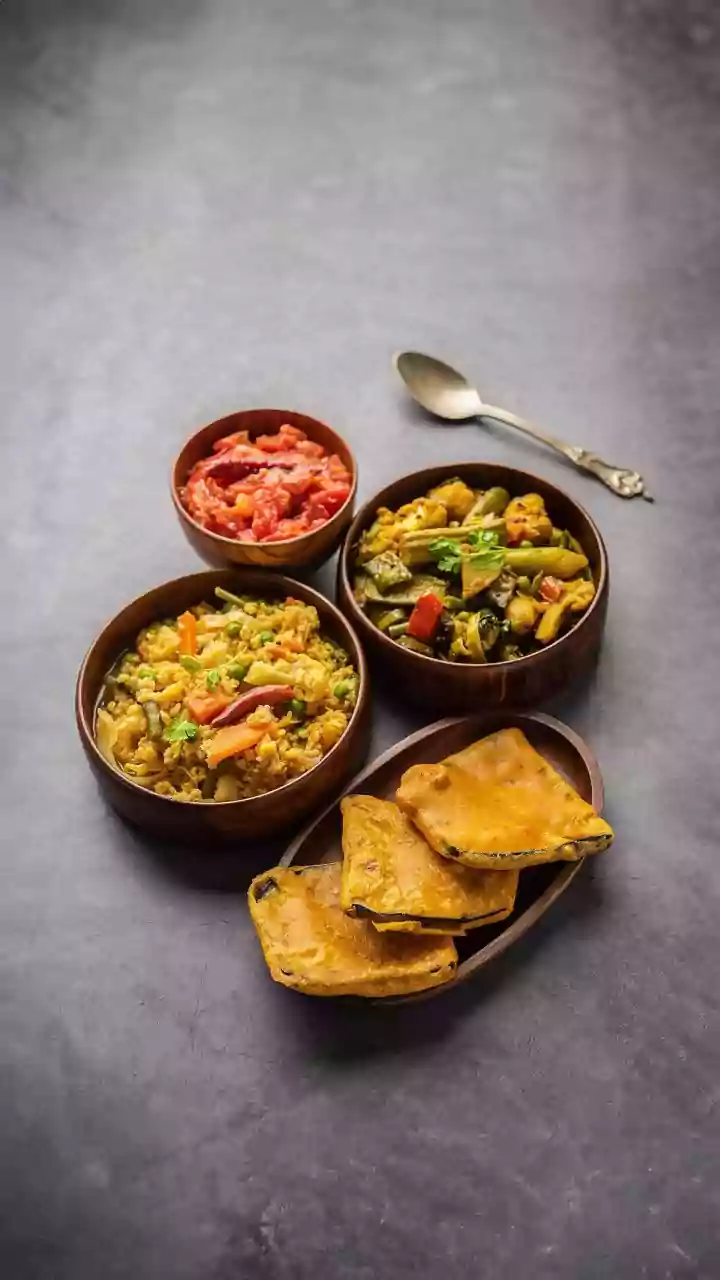
So, how much butter is appropriate? While butter is a natural fat, it is still calorie-dense. Most dietary guidelines recommend limiting saturated fat intake. A sensible approach is to stick to about one to two tablespoons (around 14-28 grams) per day, as part of a diet rich in other healthy fats from sources like olive oil, nuts, and avocados. This might translate to about a teaspoon per meal. Enjoying a small dollop on a hot paratha or dal is a way to incorporate its rich flavour and benefits without overdoing it. Moderation ensures you can savour the wholesome goodness of homemade butter without negatively impacting your health goals.