





Understanding the Instinct to Lean
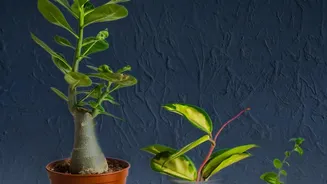
That familiar tilt your houseplant develops toward a window is a natural survival instinct called phototropism. Plants, especially their stems and leaves, are genetically programmed to grow toward their primary energy source: light. A plant hormone called auxin
accumulates on the shaded side of the stem, causing those cells to elongate faster than the cells on the sunny side. This difference in growth rate makes the plant bend toward the light, ensuring its leaves can capture as much energy as possible for photosynthesis. While this is a brilliant evolutionary trait, it can lead to lopsided, sparse, and structurally weak plants in a home environment where the light source is fixed and one-sided. Regular rotation is the key to counteracting this and encouraging balanced, upright growth.
The Danger of a Sudden Turn
When you see your plant leaning, the intuitive fix is to spin it around so the neglected side faces the sun. However, a sudden, dramatic rotation can shock the plant. Leaves that have adapted to lower light conditions on the shaded side are suddenly thrust into direct, intense sun. This rapid change can overwhelm their ability to cope, leading to a condition called sun stress or, in more severe cases, leaf scorch. Experts warn against a full 180-degree turn for this very reason. The plant's internal systems, which have been optimized for shade, cannot instantly adjust to the intense light energy, causing potential damage.
Spotting the Signs of Sun Stress
Sun stress is the plant's early warning system. Leaves might look paler or have faded markings, and some plants may develop pink or bronze tones. Sunburn, or leaf scorch, is more serious and represents permanent tissue damage. You'll see distinct white, tan, or brown patches on the leaves, often feeling dry and crispy to the touch. These bleached spots typically appear on the parts of the leaf most directly exposed to the intense light. While a plant can often recover from mild stress, sunburned tissue will not turn green again. Paying attention to these signs allows you to intervene before the damage becomes irreversible.
The Quarter-Turn Rule: A Gentle Solution
The best practice recommended by horticultural experts is a gradual rotation. The most common and effective method is the quarter-turn rule. Simply rotate your plant’s pot 90 degrees, or a quarter turn, on a consistent schedule. A great way to remember is to do it every time you water your plant. This slow and steady approach gives all sides of the plant balanced access to light over time without causing shock. Each part of the plant gets its turn in the sun, but the transition is gentle enough for the leaves to acclimate. This consistent rotation prevents the dramatic lean from developing in the first place and encourages fuller, more symmetrical foliage.
Acclimating Plants to New Conditions
The principle of gradual change applies anytime you move a plant. Whether you're bringing a new plant home from a brightly lit nursery or moving an outdoor plant inside for the winter, a period of acclimation is crucial. Nurseries often provide far more intense light than the average home. To prevent shock, avoid moving a new plant directly to a dim corner. Instead, place it in a spot with bright, indirect light for one to two weeks before gradually moving it to its final destination. This allows the plant to adjust its internal machinery for photosynthesis to the new, lower light levels without dropping leaves or showing other signs of stress.