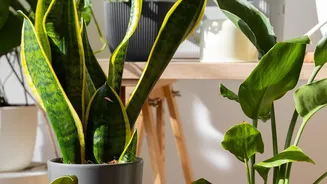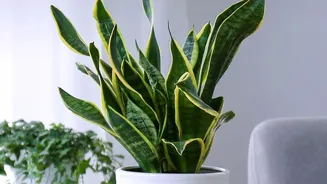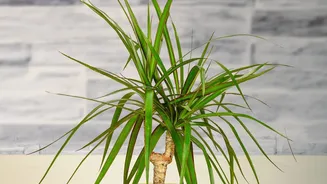





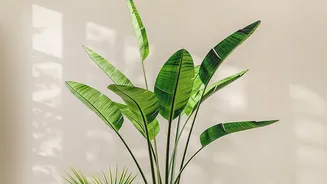

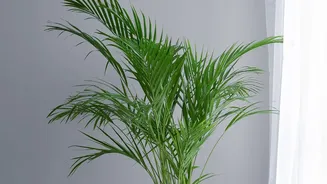
It’s a beautiful idea: a few strategically placed snake plants and peace lilies working silently to scrub your home’s air clean. But is this popular wellness claim backed by science, or is it just a leafy legend that's grown out of control?
The Origin: A NASA Study
The belief
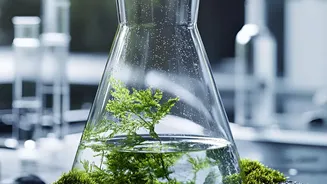
that houseplants are powerful air purifiers largely stems from a well-known NASA study from 1989. Researchers, looking for ways to clean the air in sealed space stations, placed various plants in small, airtight chambers and injected common pollutants called volatile organic compounds (VOCs) like formaldehyde and benzene. The results were promising: the plants, along with the microorganisms in their soil, did indeed remove a significant portion of these chemicals from the sealed containers. This finding gave birth to the popular lists of 'air-purifying' plants we see today.
The Problem: Lab vs. Living Room
The issue is that your home is not a small, sealed chamber like the one in the NASA experiment. A typical home or office has constant air exchange from opening doors, windows, and ventilation systems. More recent analyses of the original study and subsequent research have highlighted this critical difference. A 2019 review by researchers at Drexel University concluded that the natural ventilation in a building cleans the air far more quickly than plants can. The rate at which plants remove VOCs is simply too slow to compete with the volume of air circulating in a room.
The Reality in Numbers
So, how many plants would it actually take to make a difference? The science says an impractical amount. According to the Drexel University review, you would need somewhere between 10 to 1,000 plants per square meter of floor space to match the air-cleaning capacity of a building's standard ventilation system. To put that in perspective, for an average 300-square-foot living room, you might need over 280 plants, and possibly thousands, to effectively filter the air. For most people, turning a home into a dense, literal urban jungle isn't feasible.
The True Benefits of Houseplants
This doesn't mean you should give up on your green friends. While they may not be the powerful air purifiers we hoped for, indoor plants offer a wealth of other proven benefits. Studies have shown that being around plants can reduce stress, lower blood pressure, and improve feelings of well being. Having plants in a workspace has been linked to increased productivity, creativity, and focus. The simple act of caring for a living thing can be therapeutic and foster a connection to nature. Plants also release moisture through transpiration, which can help improve humidity in dry indoor environments.
Better Ways to Clean Your Air
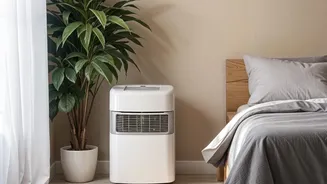
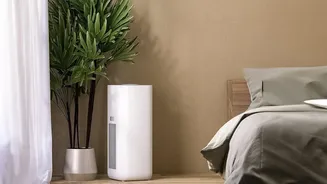
If clean air is your primary goal, there are far more effective strategies than buying a few extra ferns. The most effective method is source control: reduce pollutants at their origin by choosing low - VOC paints, furniture, and cleaning products. Regular ventilation is also key; simply opening windows to allow fresh air to circulate can significantly dilute indoor pollutants. For more powerful cleaning, use exhaust fans in kitchens and bathrooms, and consider investing in a high - efficiency particulate air (HEPA) filter, which is designed to capture airborne particles effectively.