







The Low-Cost Long-Haul Puzzle
Flying long distances on a budget sounds appealing, but the history of aviation is littered with low-cost carriers (LCCs) that failed trying to make it work. The economics are tricky. The cost advantages that LCCs enjoy on short flights—like packing more
seats and flying planes more frequently—diminish over longer journeys. Passengers on an eight-hour flight expect more comfort and amenities than on a one-hour hop, and full-service carriers are masters at providing this. Many LCCs that tried to simply stretch their domestic model to international routes found themselves unable to compete.
A New Weapon: The A321XLR
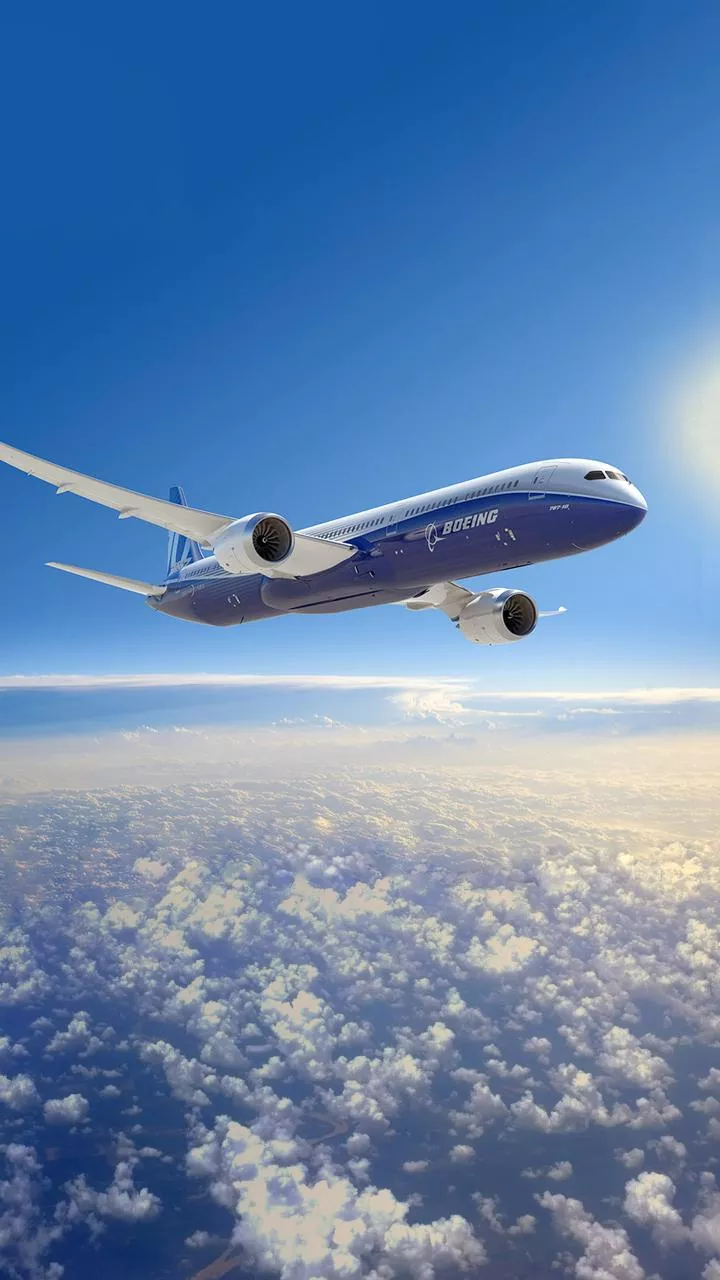
IndiGo’s plan hinges on a specific aircraft: the Airbus A321XLR. This plane is a game-changer because it's a narrow-body (single-aisle) jet with the range to fly for up to 11 hours, connecting cities like Mumbai directly to destinations in Europe and East Asia. This allows IndiGo to fly “long and thin” routes—those with steady demand but not enough to consistently fill a giant wide-body jet like a Boeing 787. Instead of committing a 300-plus-seat aircraft, IndiGo can test and serve new markets with a smaller, more fuel-efficient 195-seat plane, significantly reducing financial risk.
Not Your Standard IndiGo Cabin
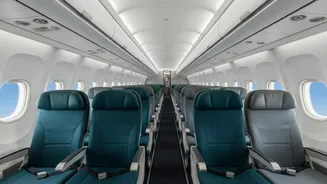
The most visible change is inside the plane. IndiGo’s A321XLRs feature a two-class layout for the first time. Up front, there are 12 ‘IndiGoStretch’ seats in a 2-2 configuration. These are not lie-flat beds like in traditional business class, but spacious recliners with a generous 44 inches of pitch, a 6-inch recline, and perks like complimentary meals and priority services. The 183 economy seats behind them are also an upgrade, offering a 31-inch pitch, which is more legroom than on IndiGo's domestic fleet. Passengers will also have access to wireless in-flight entertainment streamed to their own devices.
The Business Behind the 'Stretch' Seat
The new premium cabin isn't just about comfort; it's about making long-haul flights profitable. A small number of passengers paying a higher fare for Stretch seats can significantly boost a flight's total revenue. This is called improving the 'yield'. This hybrid model targets a specific customer: the business traveller, tourist, or person visiting family who wants more comfort than basic economy but isn't willing to pay the high prices of a full-service carrier. By offering a better product, IndiGo can charge a bit more, which is crucial for covering the higher costs of fuel and crew on a 10-hour flight to Athens or Amsterdam.
A Calculated Gamble
IndiGo's strategy is a carefully calculated evolution, not a radical departure. The airline is keeping its core low-cost discipline—using a single, efficient aircraft type for these routes—while adding a premium layer to make the numbers work. This move is also a direct challenge to both domestic rivals like Air India and international giants that have long dominated India's lucrative overseas travel market. The risks remain; the airline recently scaled back a wet-lease arrangement with Norse Atlantic for wide-body 787s, citing geopolitical challenges and high costs, showing how difficult long-haul can be. However, by using its own fleet of customized A321XLRs, IndiGo is betting it can create a profitable niche and finally crack the long-haul, low-cost code.