
What is Erewhon?
Think of Erewhon not just as a supermarket, but as a temple to wellness and a stage for celebrity sightings. Founded in the 1960s with a focus on macrobiotic and natural foods, it has since morphed into the epicentre of LA's health-conscious elite. With
its meticulously organised shelves of organic-only produce, adaptogenic powders, and US$26 bottled water, Erewhon is where you go to see and be seen. It's less about a weekly grocery run and more about participating in a lifestyle where every purchase is an investment in your personal health and status. The store itself has become a brand, a symbol that you are part of a certain tribe that values clean living, aesthetic purity, and has the disposable income to afford it.
Deconstructing the Dessert Smoothie
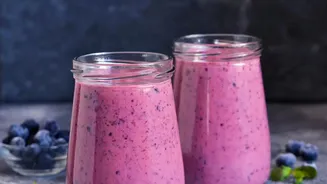
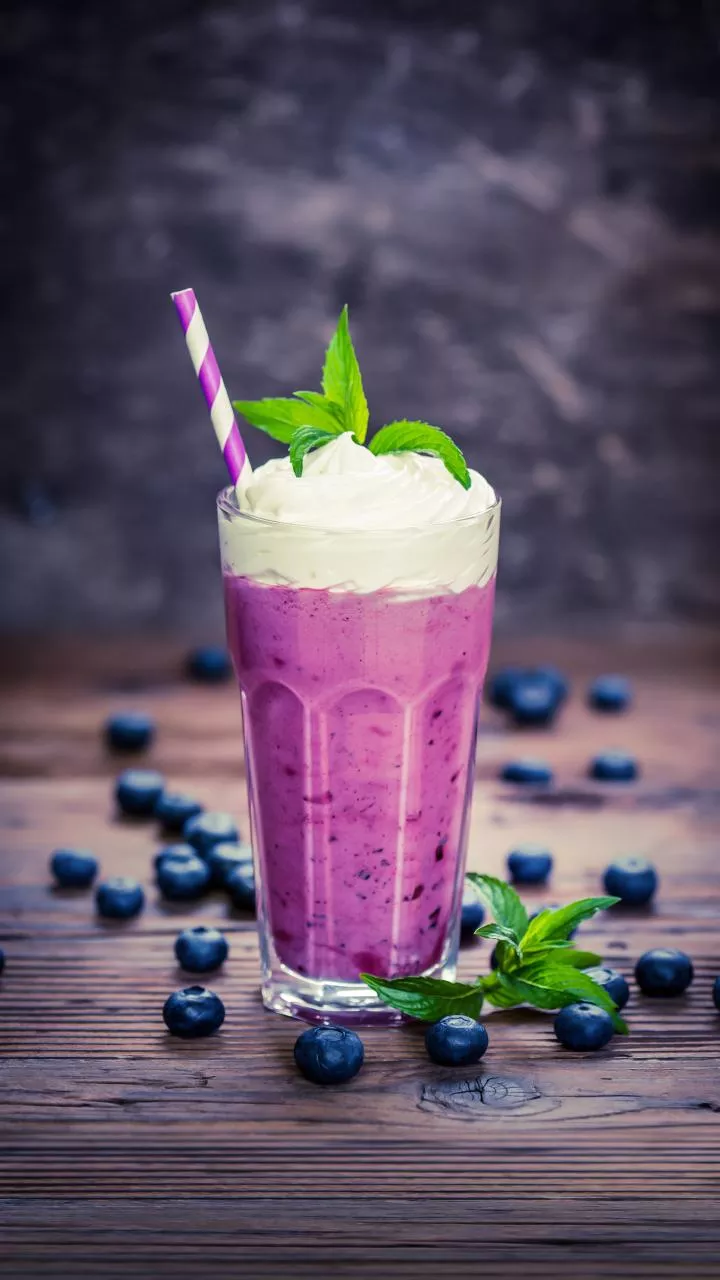
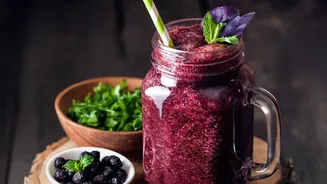
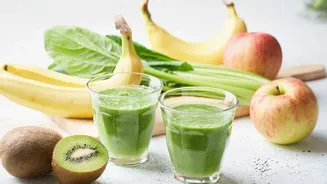
The headline's 'muffin flavour' points to a specific trend: dessert-inspired, yet supposedly healthy, celebrity-endorsed smoothies. While flavours change monthly, a perfect example is the collaboration with model Winnie Harlow on her 'Island Glow' smoothie. Priced at US$22 (roughly Rs 1,830), its ingredient list reads like a wellness glossary: sea moss, collagen peptides, camu camu, blue spirulina, and manuka honey, blended with tropical fruits like mango and pineapple. The goal is to create a drink that tastes indulgent—like a treat—but is marketed as a functional beverage for glowing skin and inner health. This follows the blueprint of Hailey Bieber’s wildly successful Strawberry Glaze Skin Smoothie, which sells around 40,000 units per month and cemented the celebrity smoothie as a core part of Erewhon's business.
The Illusion of Healthy Indulgence
How does something tasting like a cookie or a tropical dessert become a health food? Through savvy marketing and a careful selection of buzz-worthy ingredients. The high price isn't just for organic fruit; it's for expensive additions like collagen (for skin), sea moss (for minerals), and various 'superfoods' that promise vitality. While these ingredients have perceived health benefits, the final product is often high in natural sugars and calories, blurring the line between a nutritious meal and a decadent milkshake. The genius lies in framing this indulgence as an act of self-care. You're not just satisfying a sweet craving; you're 'investing' in your skin, your gut health, or your overall vitality, making the high cost feel justified.
A Status Symbol You Can Drink
In the age of social media, carrying an Erewhon cup with its distinct logo is a powerful social signal. It's the 21st-century equivalent of carrying a designer handbag. It says you're not only health-conscious but also wealthy enough to afford the very best and culturally aware enough to be in on the trend. The celebrity collaborations amplify this effect, turning a simple beverage into a limited-edition cultural artifact. For many, the smoothie is less about the nutrition inside and more about the statement it makes when posted on Instagram. It’s an accessible entry point into a world of luxury and exclusivity that is otherwise unattainable for most.
Could This Trend Come to India?
While an exact replica of Erewhon might seem far-fetched, the underlying trends are already visible in India. The demand for luxury wellness is booming, with high-end wellness retreats, organic cafes, and holistic health brands gaining significant traction in metropolitan cities. Indian consumers are increasingly willing to pay a premium for products and experiences that promise enhanced well-being. As global trends continue to influence urban Indian lifestyles, the idea of a hyper-curated, status-driven health food experience doesn't seem so distant. The Rs 2,000 smoothie may not be on menus yet, but the culture that created it is certainly knocking on the door.