








The Rhythm of Fitness
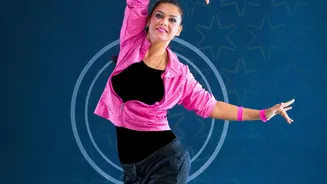
At its heart, dance aerobics is a form of cardiovascular exercise that blends choreographed dance steps with fitness-focused movements. The goal is to elevate your heart rate and sustain it over a period, all while moving to the beat of upbeat music.
Unlike traditional dancing, perfect technique isn't the main objective; consistent movement is. The structure is simple: an instructor leads the class through a series of routines that often involve a warm-up, a peak cardio section, and a cool-down. Classes are designed to be accessible to all fitness levels, with no prior dance experience required to participate and have fun.
Why the Music Matters
The music in dance aerobics is more than just entertainment—it's a powerful tool for motivation and performance. Scientifically, this is known as entrainment, where our bodies naturally synchronise with the rhythm we hear. A fast-paced track can encourage more intense movement, helping you push through moments of fatigue. Music acts as a healthy distraction from physical discomfort, making the workout feel more manageable and enjoyable. This 'psyching up' effect can lead to better endurance and a more consistent pace. The release of dopamine, a neurotransmitter associated with pleasure, is also triggered by energetic music, which is why you're more likely to stick with a fitness routine you genuinely look forward to.
A Full-Body Symphony
Dance aerobics delivers a comprehensive, full-body workout. The continuous, high-energy dance sequences provide a serious cardiovascular challenge, improving heart health, helping to lower blood pressure, and building endurance. But it doesn't stop there. The variety of movements—from grapevines and step-touches to jumps and turns—engages multiple muscle groups simultaneously. Your legs and glutes power the big movements, your core is constantly engaged to maintain balance and posture, and your arms are often incorporated into the choreography. This combination of cardio and strength training builds lean muscle, improves coordination and balance, and enhances overall flexibility without the high joint stress associated with some other forms of exercise.
From the 80s to Today's India
The concept of aerobic dance isn't new. It was first popularised in the 1970s and became a global phenomenon in the 1980s with icons like Jane Fonda. The core idea, pioneered by figures like Jacki Sorensen in the late 1960s, was to combine the science of aerobics with the fun of dance. Today, this has evolved into a diverse fitness scene in India and worldwide. Modern iterations include the wildly popular Zumba, which uses Latin rhythms, as well as workouts built around Bhangra, Bollywood hits, and hip-hop. Studios across cities like Delhi and Pune offer everything from classic aerobics to these newer, culturally infused dance fitness classes, making it easier than ever to find a style that resonates.
How to Get Started
Jumping into dance aerobics is simple. The most important thing is to find a class or routine that excites you. Many gyms and fitness studios offer trial classes, and there are countless free and subscription-based videos online if you prefer to start at home. Wear comfortable clothes that allow you to move freely and a pair of supportive athletic shoes. When you're in class, don't worry about getting every step right immediately. The main goal is to keep moving and enjoy the experience. Focus on the instructor's cues, listen to your body, and don't be afraid to take a break if you need one. The supportive, community-focused atmosphere of most classes makes it a welcoming space for beginners.