

An Experiment on the Edge
In a pivotal experiment for the future of long-duration space travel, NASA scientists embarked on an investigation known as MISSE-Seed. As part of the broader Materials International Space Station Experiment (MISSE) program, this project wasn't about
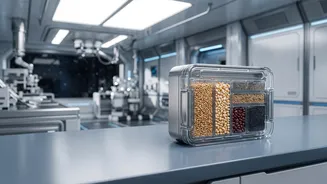
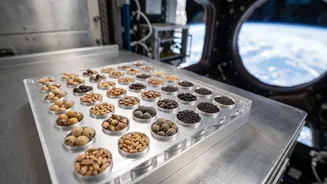
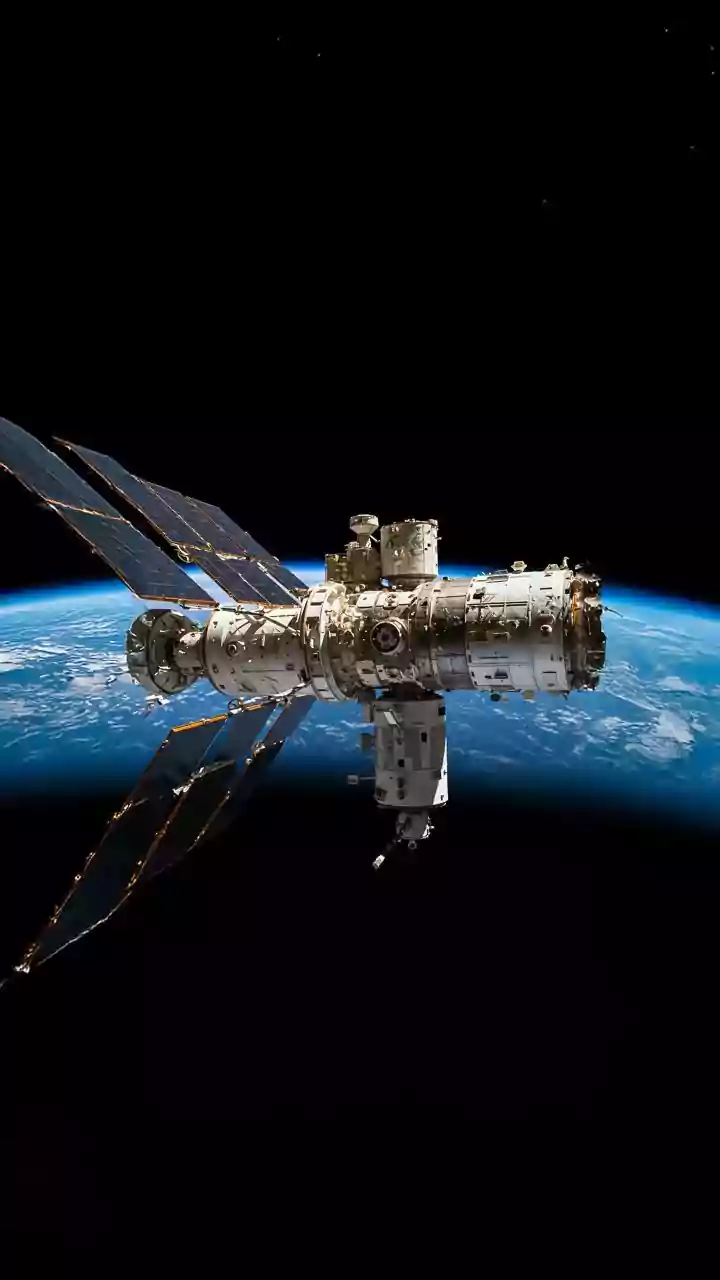
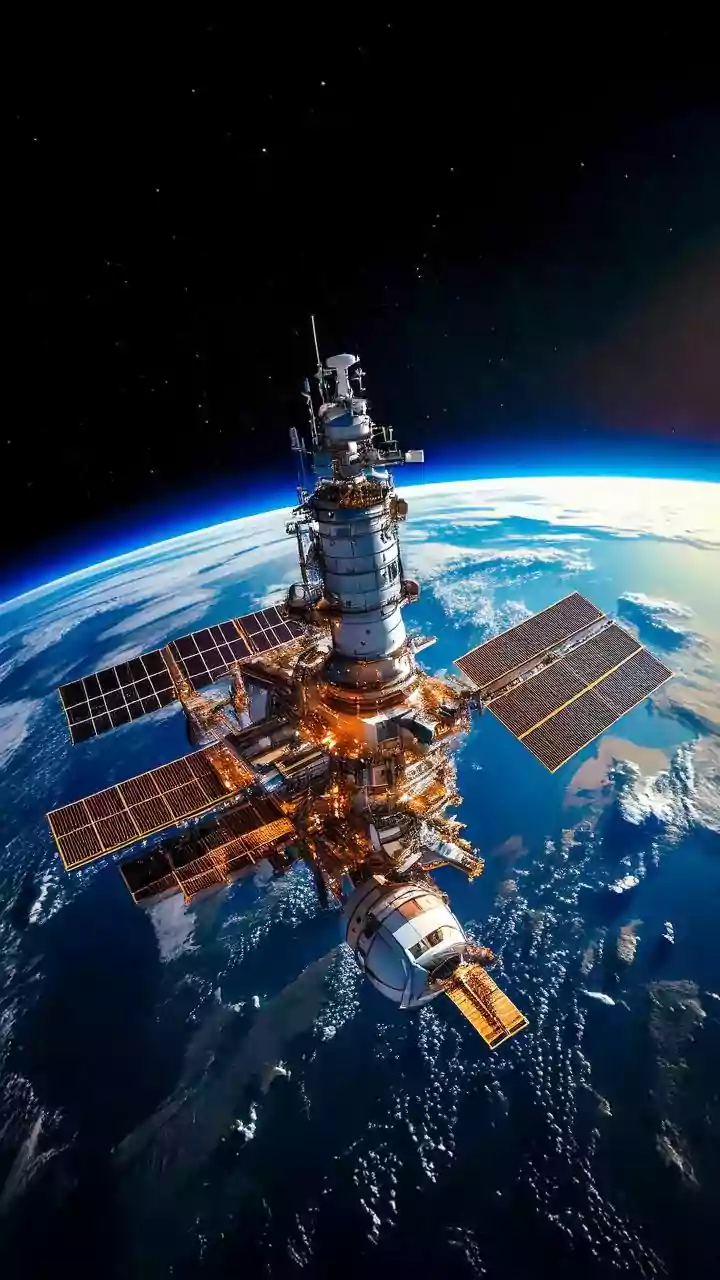
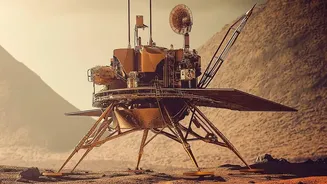
growing plants in the controlled environment inside the space station, a feat already accomplished multiple times. Instead, it aimed to test the very limits of seed viability. The experiment involved placing seeds from eleven different plant varieties—including lettuce, tomato, radish, cauliflower, and pepper—into specially designed containers. These containers were then mounted on an external platform of the ISS, deliberately exposing them to the brutal conditions of space for roughly eight months before they were returned to Earth for analysis.
Why Brave the Vacuum of Space?
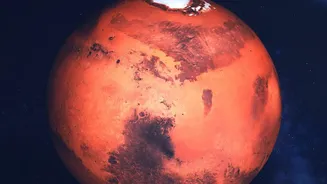
The primary goal was to understand how the combination of cosmic radiation, extreme temperature fluctuations, and the vacuum of space affects a seed's ability to survive and grow. For humanity to venture to Mars or establish a permanent base on the Moon, astronauts will need to grow their own food, reducing reliance on costly resupply missions from Earth. This requires a bank of seeds that can remain viable after years of storage during transit through deep space, where radiation levels are much higher than in low-Earth orbit. By exposing seeds to the harsh environment outside the ISS, scientists can simulate aspects of a long journey through space and study the damage at a genetic level. Previous experiments have yielded mixed results, with some seeds surviving while others, like certain tomato species, perished when exposed to full solar radiation.
The Hardy Survivors
The results from the MISSE-Seed experiment were both surprising and encouraging. After their long ordeal, which included over 245 days in the external space environment, the seeds were brought back to Earth and planted. Remarkably, post-flight germination tests showed that the seeds not only survived but sprouted at rates comparable to control seeds that never left the ground. This suggests that the eight-month exposure had no immediate negative impact on the seeds' fundamental ability to germinate. This finding is a significant step forward, confirming that seeds are incredibly resilient and could likely remain viable during the long transit to Mars, provided they are shielded from the most extreme UV radiation.
Subtle Changes and Future Crops
While germination was successful, scientists did observe some subtle differences in how the seedlings developed. Some plant varieties that were exposed to space grew at different rates compared to their Earth-bound counterparts, hinting that the stressful environment might affect the seeds' quality and how they respond to other environmental challenges. This area of study, sometimes called 'cosmic crops,' is also being explored by other international bodies like the UN's Food and Agriculture Organization (FAO) and the International Atomic Energy Agency (IAEA). Their research investigates whether the mutations caused by space radiation could, by chance, lead to beneficial new traits, such as increased resilience to drought or heat back on Earth. This process of using radiation to speed up genetic variation is known as mutagenesis and has been used for decades on Earth to develop hardier crop varieties.
The Next Frontier for Astrobotany
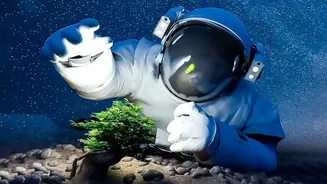
The success of the MISSE-Seed experiment provides a crucial piece of the puzzle for the field of astrobotany. It validates that seeds can be stored long-term in space, a critical knowledge gap that needed to be filled before we can depend on crops for deep space missions. The experiment also successfully tested new passive containment hardware, proving its effectiveness for protecting biological samples. While we have successfully grown and even eaten lettuce and radishes aboard the ISS, ensuring the seed bank for those future crops can survive the journey is just as important. This research doesn't just pave the way for astronauts to have fresh food on Mars; it also provides unique insights into plant biology that could help us cultivate more robust and resilient crops to ensure food security here on our home planet.