




The Mystery of the Missing Minis
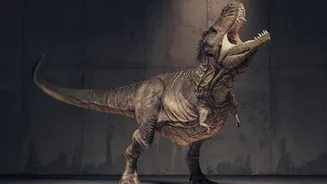
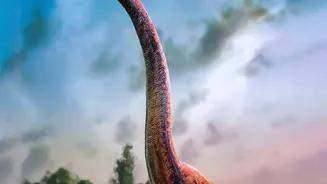
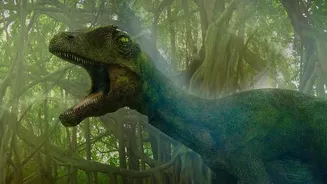
For 180 million years, dinosaurs dominated the planet, evolving into an incredible diversity of shapes and sizes. We marvel at the bus-sized Tyrannosaurus rex and the colossal long-necked sauropods that were the largest land animals in Earth's history.
Yet, for all their success, there's a strange gap in their family album: a distinct lack of mouse-sized or sparrow-sized species. In most ecosystems today, small animals are the most common. But the smallest known non-avian dinosaurs, like Microraptor, still weighed around 400-450 grams—about the size of a large rabbit, and hundreds of times heavier than the smallest mammals or birds alive today. For decades, scientists have wondered why. Was it a quirk of the fossil record? Or was something preventing dinosaurs from getting small?
Challenging Old Assumptions
Previously, many experts assumed the lack of tiny dinosaur fossils was simply bad luck. After all, the fragile bones of smaller creatures are less likely to survive for millions of years. However, a new study published in the journal 'Evolution' argues this is unlikely. Researchers point out that fossil beds that yield dinosaur remains also frequently preserve the delicate skeletons of small mammals, lizards, and amphibians from the same period. If tiny dinosaurs existed, we should have found more of them by now. This led the team to look beyond geology and toward biology and ecology for an answer. Using mathematical models based on how animals convert food into energy and offspring, they tested if some internal biological factor prevented dinosaurs from shrinking. The models failed to explain the gap, consistently predicting that small dinosaurs should have existed.
A New Culprit: Our Own Ancestors
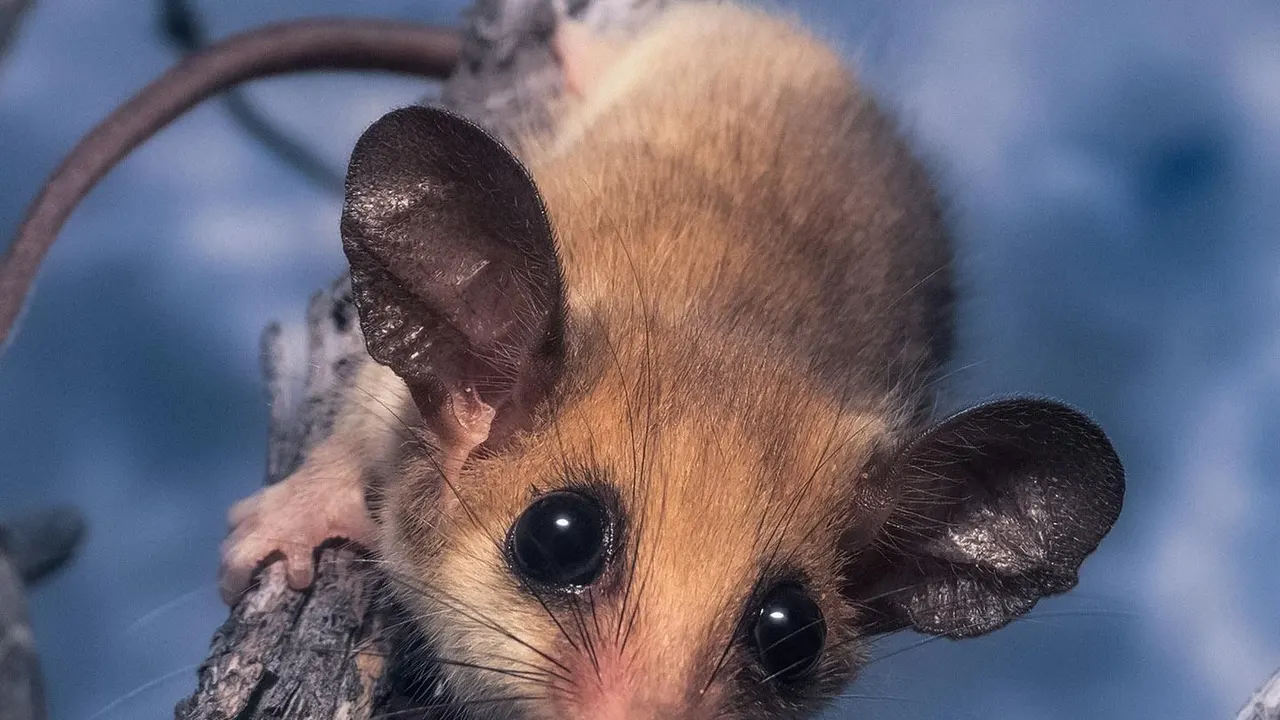
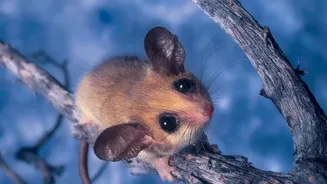
The study proposes a radical new explanation: dinosaurs didn't get tiny because that ecological niche was already taken. Their competitors? The small, shrew-like mammals that scurried in the undergrowth of the Mesozoic world. For much of the age of dinosaurs, it was thought that the giant reptiles kept mammals small and prevented them from evolving into larger forms. This new research suggests the reverse was also true. Early mammals may have been so efficient at living in the small-bodied, fast-metabolism niche—hunting insects and snatching up seeds—that they effectively locked dinosaurs out. By dominating the ecosystem at the very small end of the scale, our ancient furry relatives may have created an evolutionary barrier, preventing dinosaurs from downsizing.
The Exception That Proves the Rule
There is, of course, one major exception to this rule: birds. Birds are living dinosaurs, and they are masters of being small, from the crow-sized Archaeopteryx to the minuscule bee hummingbird. The new study suggests that the evolution of flight was the key that unlocked this potential. By taking to the air, early birds escaped the ground-level competition with mammals. They entered a completely new set of ecological opportunities, allowing them to rapidly evolve into the tiny sizes that their larger, land-bound relatives could never achieve. This explains why the ancestors of dinosaurs could be small, and their living descendants can be small, but the non-avian dinosaurs themselves were seemingly forbidden from occupying that space.