






A Global Tradition of Digestive Comfort
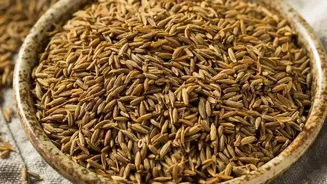
For centuries, long before modern medicine, kitchens and apothecaries across the world stocked caraway seeds for more than just flavour. From Europe to Western Asia and North Africa, these small, crescent-shaped seeds have been a trusted folk remedy for digestive
woes. In many cultures, including parts of India where they are known as 'Shahi Jeera' or royal cumin, caraway has been traditionally used to alleviate issues like indigestion, gas, and that all-too-common feeling of being bloated. Historical texts and traditional medicine systems mention caraway for its calming effect on the stomach. The practice of brewing it into a simple tea or water remains a go-to for those seeking a natural way to settle their stomach after a heavy meal.
What Exactly Are Caraway Seeds?
Caraway, or 'Carum carvi', is a plant from the same family as carrots, parsley, and other familiar spices like cumin and fennel. This relation explains why their flavours are often complex and aromatic. It's easy to confuse caraway with its cousin, ajwain (carom seeds), another popular digestive aid in Indian households. While both belong to the Apiaceae family and are used to combat bloating, they are distinct spices. Caraway has a pungent, anise-like flavour, often found in rye bread and European cuisine. Ajwain, on the other hand, has a stronger, more bitter taste reminiscent of thyme, due to a compound called thymol. Though different, both seeds have earned a reputation for helping soothe the digestive system.
The Science Behind the Sip
The long-standing traditional use of caraway for bloating isn't just folklore; modern science is beginning to understand why it might work. Caraway seeds are rich in essential oils, particularly two compounds named carvone and limonene. These are believed to have carminative and antispasmodic properties. In simple terms, they may help the smooth muscles in your digestive tract to relax, which can ease the cramping and spasms that contribute to bloating and gas. Some studies have shown that caraway, sometimes in combination with peppermint oil, can effectively reduce symptoms of indigestion. Furthermore, research suggests that caraway oil might help balance gut bacteria by fighting harmful strains without disturbing the beneficial ones that are crucial for healthy digestion. While more large-scale human studies are needed, the existing evidence provides a promising look into the science of this ancient remedy.
How to Make Caraway Seed Water
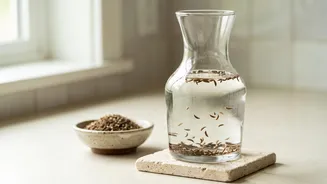
Preparing this soothing beverage at home is incredibly simple. All you need are whole caraway seeds and hot water. For a single serving, take about one teaspoon of caraway seeds. To get the most benefit, it's best to lightly crush the seeds first, as this helps release their aromatic essential oils. You can do this with the back of a spoon or a mortar and pestle. Place the crushed seeds in a cup and pour one cup of boiling water over them. Cover the cup with a small plate or lid to trap the steam and volatile oils, and let it steep for about 10 to 15 minutes. Finally, strain the water into another cup and sip it slowly. Many people find it most effective when consumed warm after a meal.
Safety and When to Be Cautious
For most people, caraway consumed in food amounts or as a tea is generally safe. However, like any herbal remedy, it's wise to be mindful. Some people may experience mild side effects like heartburn or burping. While traditionally used to support lactation, pregnant and breastfeeding women should be cautious with medicinal amounts and consult a healthcare provider, as high doses of caraway oil have been noted to potentially cause complications. People with allergies to other plants in the carrot family, such as fennel or celery, might also be sensitive to caraway. It's a supportive remedy for occasional discomfort, but if you experience persistent or severe bloating, it's always best to consult a doctor to rule out any underlying conditions.