





Navigating the Crowds and Climate
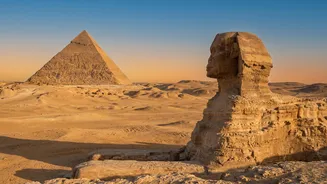
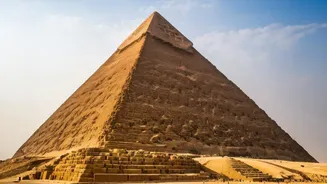
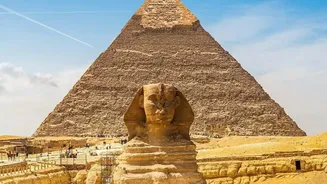
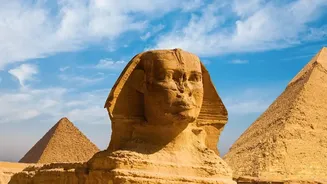
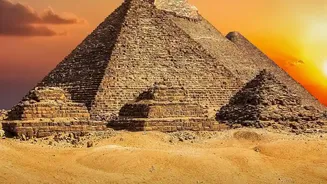
Egypt's travel seasons are defined by its desert climate, which directly impacts crowd sizes. The peak season, from October to April, offers wonderfully mild and pleasant weather, making it ideal for exploring open-air wonders like the Pyramids of Giza
or the temples of Luxor. Daytime temperatures are comfortable, but this is when you'll find the largest crowds and highest demand. Sites can get particularly busy around the Christmas and New Year holidays. The low season falls during the scorching summer months of June, July, and August, when temperatures in southern cities like Luxor and Aswan can exceed 40°C. While the heat can be intense, the reward is significant: far fewer tourists and the chance to have major historical sites almost to yourself. For travellers who can adapt their schedules to early morning and late afternoon sightseeing, summer offers a unique sense of solitude.
Understanding the Cost Factor
Your travel budget will fluctuate dramatically depending on the season. As expected, the peak months from October to April command the highest prices for flights, hotels, and Nile cruises due to high demand. Booking well in advance is essential during this period, especially for holiday travel. In contrast, the summer low season from May to September is the most budget-friendly time to visit. Airlines and hotels often reduce their rates by 20-40% to attract visitors, making luxury experiences more accessible. A mid-range trip that might cost over $200 per day in winter could be managed for significantly less in the summer. This makes the hot months an excellent choice for budget-conscious travellers who don't mind the heat.
Maximising Your Historical Experience
While Egypt's monuments are timeless, the quality of your experience visiting them is not. The intense midday sun in summer can make exploring vast complexes like Karnak Temple or the Valley of the Kings physically draining. Sightseeing is best confined to the very early morning or later in the afternoon to avoid the oppressive heat. The cooler winter months allow for full days of comfortable exploration, letting you immerse yourself in the history without battling exhaustion. This is particularly true for Nile cruises, which are most pleasant in the mild weather between Luxor and Aswan. However, avoiding crowds is also part of a great experience. Getting to popular sites like the Valley of the Kings right when they open can mean having tombs to yourself before the large tour buses arrive around mid-morning.
Finding the Sweet Spot: The Shoulder Seasons
For many travellers, the sweet spot lies in the shoulder seasons: March to April and September to October. These months offer a near-perfect compromise. The weather is warm and pleasant, having eased from the summer's peak heat, but the winter crowds have not yet fully arrived or have already started to dissipate. Prices are more moderate than in the high season, offering better value for money. October and November are often highlighted as an ideal window, providing a great balance of comfortable sightseeing temperatures and manageable crowd levels. Similarly, March and April offer a pleasant transition out of winter, though travellers should be aware of the Khamsin, a seasonal wind that can occasionally cause sandstorms in the spring. By targeting these shoulder months, you can enjoy the best of all worlds—good weather for exploring, fewer people at iconic sites, and a more reasonable cost.