





The Nutritional Power of Amla
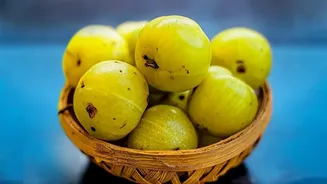
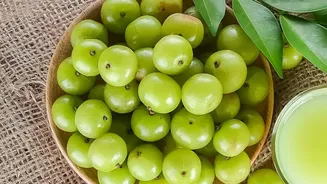
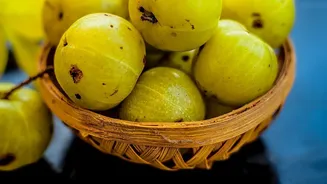
Amla, or the Indian gooseberry, has been a cornerstone of Ayurvedic medicine for thousands of years for good reason. It is one of the most potent natural sources of Vitamin C; a single 100-gram serving contains as much Vitamin C as about 20 oranges. This
incredible antioxidant content helps bolster the immune system and protect cells from damage. Beyond Vitamin C, amla is rich in other antioxidants like polyphenols and flavonoids, which contribute to its anti-inflammatory properties. Regular consumption is associated with a wide range of benefits, including improved digestion, better heart health by helping manage cholesterol levels, enhanced liver function, and even healthier skin and hair.
Kickstart Your Day with Amla Drinks
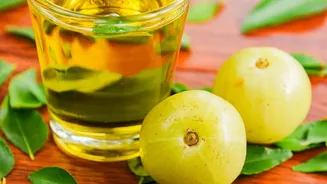
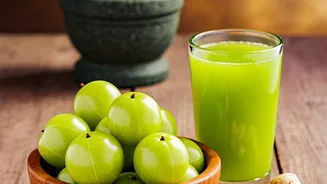
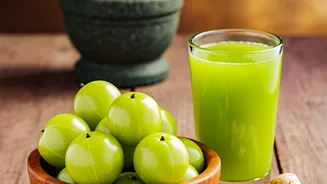
One of the easiest ways to incorporate amla into your diet is through breakfast drinks. Its tartness can be easily balanced, creating refreshing and energising beverages. For a simple amla juice, blend a couple of chopped amlas with water, a hint of ginger, and a pinch of black salt, then strain. This makes for a revitalising morning shot. Alternatively, add amla powder or a few pieces of fresh amla to your morning smoothie. It pairs surprisingly well with ingredients like banana, spinach, dates, and cinnamon, which help mellow its sharp flavour while boosting the nutritional content. For a soothing start, try a warm amla drink by mixing the powder in hot water with a touch of honey.
Zesty Relishes and Chutneys for Snack Time
Amla’s tangy and astringent taste makes it a perfect base for chutneys and relishes that can liven up any snack or meal. A quick, no-cook relish can be made by simply grating fresh amla and mixing it with salt, chopped green chillies, and a little sugar or jaggery to balance the flavours. For a more traditional chutney, you can sauté boiled or steamed amla with spices like fennel seeds, cumin, and ginger before grinding it with fresh coriander. Another popular North Indian preparation is Amla Launji, a sweet and spicy chutney where steamed amla pieces are cooked with jaggery and spices like mustard seeds, fenugreek, and fennel seeds. These relishes pair beautifully with everything from parathas and toast to simple rice and dal.
Cooking with Amla Beyond Pickles
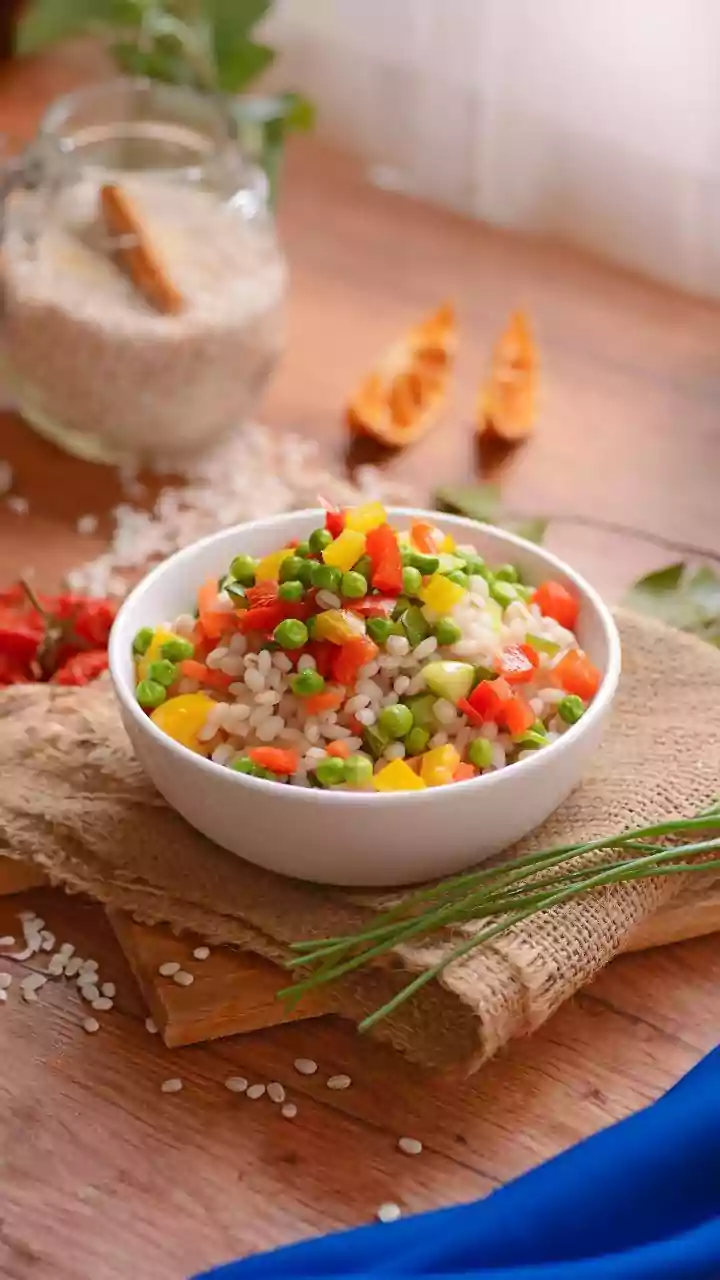
While amla murabba (sweet preserve) is a beloved classic, this fruit can be integrated into savoury cooked dishes as well. Its sourness can cut through the richness of certain meals and add a unique layer of flavour. You can add chopped amla to lentil preparations like dal, where it will soften and impart a pleasant tang, much like tamarind would. It can also be incorporated into rice dishes; a tempered gooseberry and raw mango rice offers a delightful zesty flavour perfect for a light lunch. For a more robust dish, amla can be the star of a curry. By cooking whole or sliced amlas with a blend of spices, tamarind juice, and a tempering of mustard seeds and lentils, you can create a unique and flavourful main course.