
The Evergreen Classic: Rava Upma
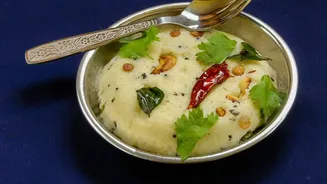
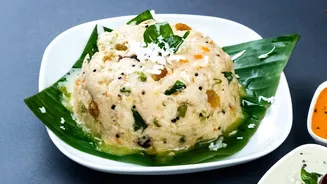
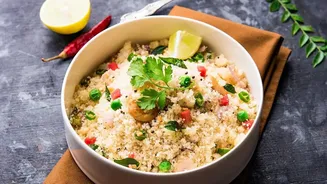
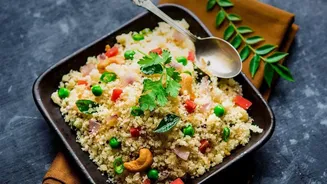
Before we explore the variations, let's appreciate the original. The standard rava upma, made with dry-roasted semolina (sooji), is the foundation upon which all other upmas are built. The magic lies in the tempering (tadka) of mustard seeds, curry leaves,
urad dal, and chana dal, which provides its signature flavour. Onions, ginger, and green chillies are sautéed before water is added, brought to a boil, and the rava is streamed in to create a fluffy, savoury porridge. It’s a simple, fail-safe recipe that delivers comfort in every spoonful.
The Tangy Twist: Tomato Upma
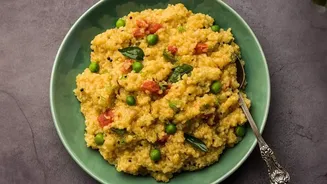
For those who love a zesty flavour, Tomato Upma, or 'Thakkali Upma' in Tamil, is a must-try. This South Indian variation gets its taste and beautiful orange-red hue from ripe, puréed or finely chopped tomatoes. The tomatoes are sautéed with onions and spices until they break down into a rich, tangy base before water is added. Some recipes also include a pinch of garam masala or sambar powder for extra warmth and spice. This version is so flavourful that it needs no side dish, though it pairs wonderfully with a simple coconut chutney.
The Ultimate Snack: Bread Upma
A perfect way to use up leftover bread, Bread Upma is a quick and satisfying snack that comes together in minutes. Bite-sized pieces of bread are tossed into a flavourful mixture of sautéed onions, tomatoes, and spices. The bread soaks up the masala, becoming soft yet retaining a slight texture. The key is to add the bread at the very end and toss it quickly to ensure it doesn't get too mushy. Garnished with fresh coriander and sometimes crunchy sev, this dish is a favourite for a speedy breakfast or an evening bite.
The Fasting Favourite: Sabudana Upma
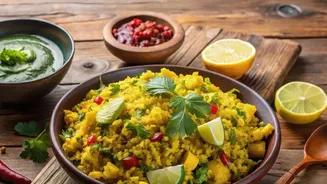
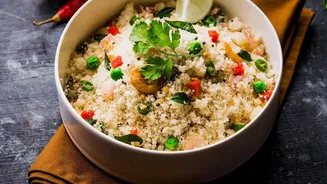
Also known as Sabudana Khichdi, this upma is a staple during religious fasting periods (vrat) but is delicious enough for any day. Made from tapioca pearls (sago), its preparation is all about achieving the perfect non-sticky texture. The sabudana is soaked beforehand until soft and then sautéed with boiled potatoes, roasted peanuts, green chillies, and cumin seeds. A squeeze of lemon juice at the end brightens the flavours and completes this unique, chewy, and utterly delicious dish. Some South Indian versions also incorporate moong dal for a different texture.
The Modern Health Kick: Oats Upma
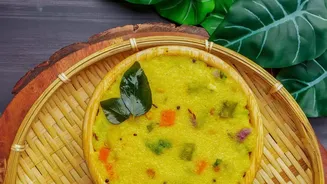
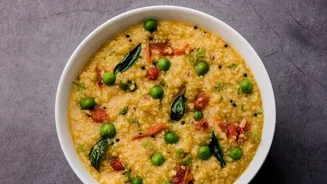
For a contemporary and health-conscious spin, Oats Upma is an excellent choice. This version swaps traditional rava for rolled oats, offering a high-fibre, nutritious start to the day. The oats are lightly dry-roasted to prevent them from becoming sticky and then added to a sauté of vegetables like carrots, peas, and beans. Because oats cook much faster than semolina, this upma is incredibly quick to prepare, making it a perfect solution for busy mornings when you don't want to compromise on health or taste.
The Earthy Alternative: Millet Upma
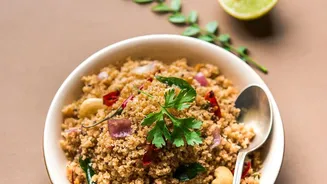
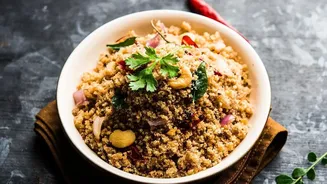
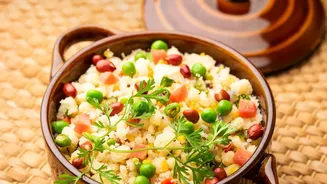
Going back to traditional grains, Millet Upma is gaining popularity for its health benefits and gluten-free nature. You can use various millets like foxtail millet (kangni), little millet (samai), or barnyard millet. The millet is often soaked before cooking to ensure it becomes soft and fluffy. The cooking process is similar to rava upma, but the result is a nuttier, earthier flavour and a more distinct grain texture. It's a hearty and rustic take on the classic that pairs beautifully with a variety of vegetables.