





The Link Between Diet and Arthritis
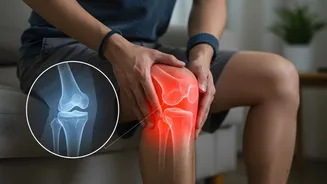
Arthritis, a condition causing joint pain and inflammation, affects a significant portion of the Indian population. The two most common types are osteoarthritis, resulting from wear and tear, and rheumatoid arthritis (RA), an autoimmune disease where
the body attacks its own joints. For years, patients have wondered if changing their diet could reverse the damage. In response, scientists at the Indian Council of Medical Research–National Institute of Nutrition (ICMR-NIN) conducted a study to investigate the relationship between dietary patterns and rheumatoid arthritis in the Indian context. The research aimed to understand how diet quality, inflammatory potential of foods, and nutrient intake differ between healthy individuals and those newly diagnosed with RA.
What the ICMR-NIN Study Found
The study, published in the journal 'Nutrients', looked at 615 adults in Hyderabad. It found a strong link between diet and RA. Patients with rheumatoid arthritis were more likely to consume pro-inflammatory diets compared to healthy individuals. Key findings showed that RA patients had less dietary diversity, meaning they ate a smaller variety of foods. Their diets were also lower in essential micronutrients. Only about 19% of RA patients had adequate micronutrient levels, compared to 33% of the healthy group. The research concluded that a diet with high inflammatory potential increased the odds of having RA, while greater dietary diversity and better nutrient intake were associated with lower odds of the disease.
Why Diet is Not a 'Cure'
While the NIN study confirms diet plays a significant role, it stops short of calling it a cure. Researchers were careful to state that their findings show an association, not a direct cause-and-effect relationship. This aligns with the global scientific consensus: no diet can cure arthritis. Arthritis is a complex medical condition, and in the case of rheumatoid arthritis, requires disease-modifying treatments to prevent permanent joint destruction. Diet is a supportive tool, not an alternative to medication. The ICMR-NIN director, Dr. Bharati Kulkarni, noted that more research is needed to see if dietary changes can prevent or alter the progression of RA.
Foods That May Worsen Inflammation
The NIN study highlighted that pro-inflammatory diets were common among RA patients. While specific foods were not named in the initial reports, general research points to certain categories that can trigger or worsen inflammation. These often include ultra-processed foods, items high in refined sugar and flour, and deep-fried foods. Some people may find that specific food groups, like dairy or certain grains, can trigger their symptoms, though this varies from person to person. The key is not to follow a highly restrictive or unproven diet but to focus on reducing intake of foods known to fuel inflammatory processes in the body.
Building an Anti-Inflammatory Plate
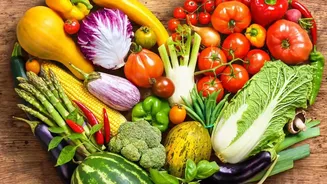
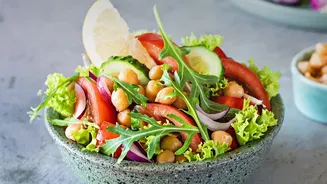
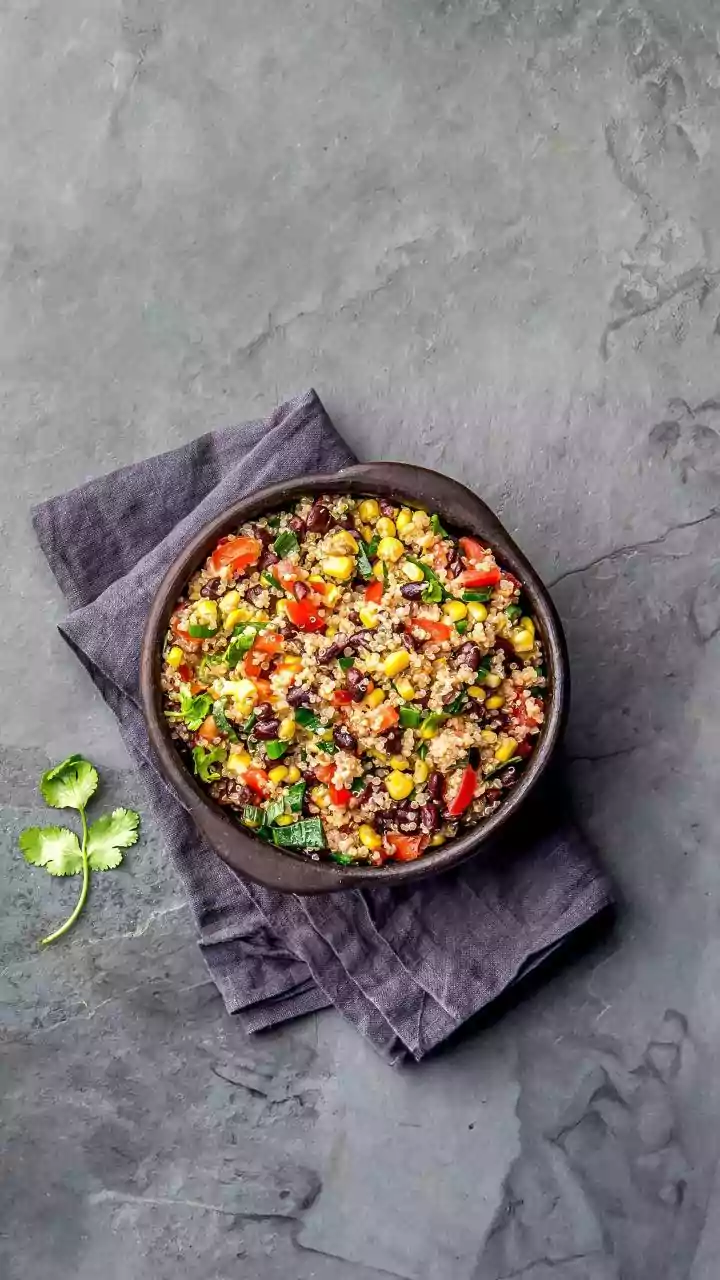
The good news is that diet can be a powerful ally in managing arthritis symptoms. An anti-inflammatory diet, like the Mediterranean diet, is consistently recommended. This approach emphasizes whole foods. For an Indian kitchen, this translates to including a rainbow of vegetables and fruits daily, choosing whole grains like millets and brown rice, and making dals or legumes a part of at least two meals a day. Spices like turmeric and ginger, staples in Indian cooking, have well-known anti-inflammatory properties. Healthy fats from nuts, seeds, and fatty fish like rohu or mackerel also help fight inflammation. The goal is to eat a diverse, nutrient-rich diet that supports overall health and helps control symptoms.
A Holistic Approach to Management
Diet is just one piece of the puzzle. Effective arthritis management requires a comprehensive strategy. For osteoarthritis, weight management is crucial, as losing excess weight significantly reduces the load on weight-bearing joints like the knees. Regular physical activity helps build muscle to protect the joints. For rheumatoid arthritis, adhering to prescribed medications is non-negotiable to prevent long-term joint damage. It's also important to ensure adequate levels of vitamin D and calcium, which are often low in the Indian population and are vital for bone health. Consulting with a doctor or a qualified dietitian is the best first step to create a personalized plan.