





What Exactly Is Black Salt?
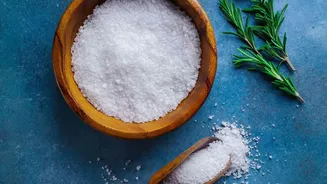
First, let's clear up the name. Black salt, known in South Asia as kala namak, isn't typically black. When ground into a powder, it has a distinctive pinkish-grey hue. It's a type of volcanic rock salt mined in the regions surrounding the Himalayas. Traditionally,
the raw salt is kiln-fired in a ceramic jar with charcoal and other ingredients like certain herbs and seeds. This intense heating process transforms the salt, creating the unique chemical compounds responsible for its character. So while it shares a name with Hawaiian black lava salt (which gets its color from activated charcoal), kala namak is a completely different product with a flavor all its own.
The Science Behind Its Unique Flavour
The magic of kala namak lies in its sulphur content. The kiln-firing process creates trace amounts of sulphur compounds, most notably hydrogen sulphide. If that sounds familiar, it's the same compound that gives boiled eggs their distinctive smell. This results in a pungent, savoury, and almost 'eggy' aroma and taste that is unlike any other salt. While the smell can be strong initially, it mellows once incorporated into food, leaving behind a deep, umami-rich flavour. It also contains acidic bisulphates, which add a subtle sour or tangy note, creating a complex profile that is salty, savoury, and slightly tart all at once.
How It Transforms Your Chutney
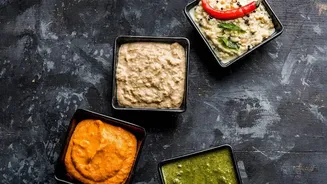
This unique flavour profile is precisely why kala namak works wonders in chutneys. Many chutneys are built on a foundation of tangy, sweet, or fresh and spicy notes. Think of a classic mint and coriander chutney or a sweet and sour tamarind chutney. Adding regular salt just makes these chutneys saltier. But a pinch of black salt does something more. Its sulphuric tang cuts through the sweetness of a fruit chutney, balances the sharpness in a tamarind chutney, and adds an incredible layer of savoury depth to a fresh green chutney. It makes the existing flavours feel richer and more rounded, providing a professional-tasting finish that is hard to achieve otherwise.
The Golden Rule: A Little Goes a Long Way
The key to using kala namak successfully is moderation. Its flavour is powerful, and using too much can easily overwhelm a dish with its sulphurous notes. The goal is to enhance, not dominate. Start with just a tiny pinch, far less than you would with regular salt. For the best results, many chefs recommend adding it towards the end of the preparation process, or even as a finishing salt sprinkled just before serving. This preserves its unique aromatic qualities. Taste as you go; you can always add another pinch if needed. Often, you might use a combination of regular salt for basic seasoning and a final pinch of black salt for that signature complexity.
Beyond the Chutney Jar
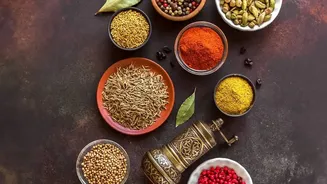
Once you get a taste for what black salt can do, you'll find plenty of other uses for it in your kitchen. It is the defining ingredient in chaat masala, the spice blend used on countless Indian street food snacks. A sprinkle over a simple fruit salad of pineapple or watermelon adds a surprising and delicious contrast. It's also fantastic in raitas, where its tangy flavour balances the creaminess of the yogurt. And for those on plant-based diets, kala namak is a game-changer, famously used to give tofu scrambles a convincingly egg-like flavour.