





The Myth of the Magic Ab Exercise
For decades, the fitness world has pushed the idea that a defined midsection is just a few hundred sit-ups away. This has led many to believe in 'spot reduction'—the theory that you can burn fat from a specific body part by exercising it intensely. However,
scientific evidence consistently shows that spot reduction is a myth. Numerous studies have confirmed that performing ab exercises alone does not significantly reduce belly fat. When your body burns fat for energy, it draws from stores all over your body, not just from the area you're working out. While exercises like crunches can improve the endurance of your abdominal muscles, they do little to burn the layer of fat covering them, and they neglect the deeper function of your core.
What Your Core Really Is
The core is far more than just the rectus abdominis, the 'six-pack' muscle at the front of your stomach. Think of it as a muscular corset or canister that wraps around your entire torso. This complex system includes your obliques (the muscles at your sides), the transverse abdominis (the deepest ab muscle), muscles in your lower back like the erector spinae, your pelvic floor, your diaphragm, and even your glutes and hip muscles. The primary job of this entire system is not to flex the spine, but to stabilize it. A strong core provides a solid foundation for all movement, transferring force between your upper and lower body, protecting you from injury, and maintaining good posture.
The Power of Total-Body Strength
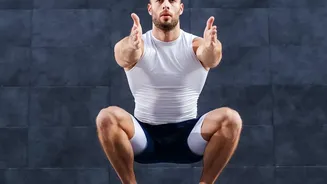
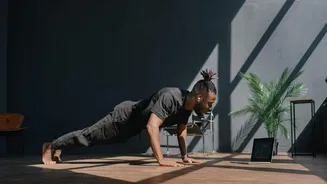
If crunches aren't the answer, what is? The key is to focus on exercises that challenge your core to do its main job: stabilization. This is where compound exercises come in. Movements like squats, deadlifts, push-ups, and overhead presses engage multiple muscle groups and joints simultaneously. During a heavy squat or deadlift, for instance, your core has to work incredibly hard to keep your torso rigid and your spine in a safe, neutral position. This builds functional strength that translates directly into everyday life, whether you're lifting a heavy box, playing with your children, or simply sitting with better posture. Research shows that these high-intensity compound lifts can activate core muscles as much or even more than isolated exercises like planks.
From Crunches to Compound Movements
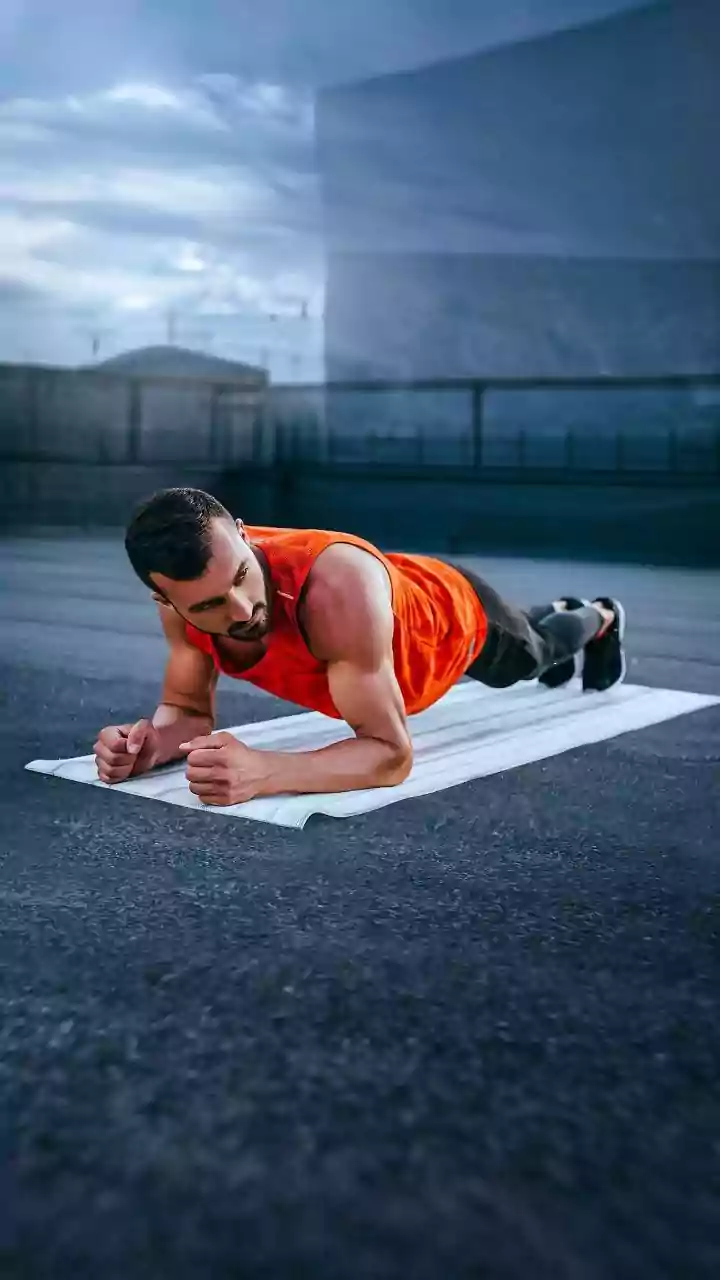
Shifting your focus from isolation to integration is a game-changer. Instead of spending 15 minutes doing various crunches, incorporate movements that build overall strength. Planks are an excellent starting point as they teach the core to resist extension and remain stable. From there, you can progress to more dynamic compound movements. Exercises like push-ups challenge your core to stabilize your entire body. Squats and lunges force your abs, back, and hips to work together to maintain balance and control. Even carrying a heavy grocery bag in one hand (a farmer's walk) is a fantastic functional core exercise. The goal is to train muscles to work together as a system, just as they do outside the gym.
The Final Piece: Nutrition
It's important to separate the goal of a strong core from the goal of visible abs. You can have an incredibly strong, functional core without a visible six-pack. Defined abs are primarily a product of low body fat, which is achieved through consistent nutrition and creating a calorie deficit. No amount of exercise can reveal your abdominal muscles if they are covered by a layer of subcutaneous fat. Therefore, a healthy, balanced diet is a non-negotiable partner to any training program aimed at changing your body composition. Focus on building strength for health, function, and injury prevention, and let aesthetics be a secondary benefit of a healthy lifestyle.