

A Mission with a Taste of Home
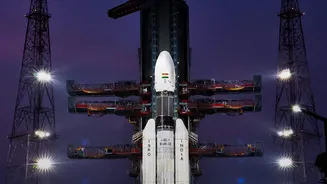
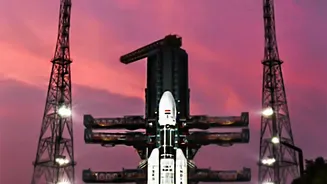
The Axiom-4 (Ax-4) mission marked a significant moment, sending a multinational crew, including India’s Group Captain Shubhanshu Shukla, to the International Space Station (ISS). While the mission's primary goals were scientific, a personal and cultural
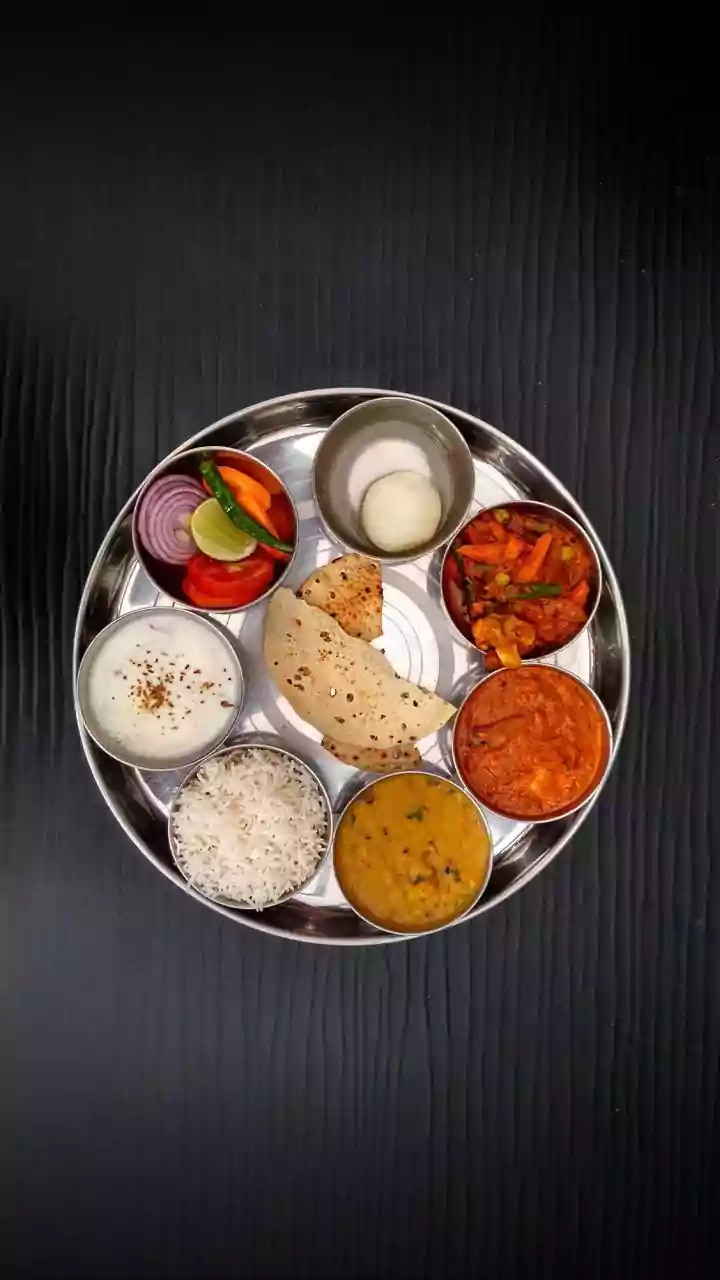
objective ran parallel: to bring the flavours of India into orbit. For astronauts on long-duration missions, far from the comforts of Earth, food is more than just fuel; it's a vital link to their culture and a crucial morale booster. Recognizing this, India's Defence Food Research Laboratory (DFRL) was tasked with preparing a menu of familiar Indian dishes, hoping to provide Shukla with a comforting taste of home among the stars.
The Ultimate Food Gauntlet
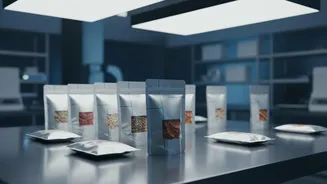
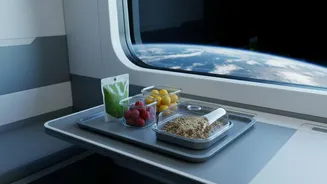
Sending food to space isn't as simple as packing leftovers. Every item must pass a series of grueling qualification tests to ensure it's safe and practical for a microgravity environment. The process, managed by institutions like NASA, is unforgiving. First, the food must have an incredibly long shelf life—often up to a year or more—without refrigeration. It must be nutritionally dense to support an astronaut's health in the demanding conditions of space. Critically, it must be low in crumbs. In zero gravity, floating crumbs can pose a serious risk, potentially getting inhaled by astronauts or clogging sensitive equipment. This rule alone disqualifies many beloved foods like standard bread or crumbly biscuits. The food also has to withstand the intense vibrations of a rocket launch and be easy to handle and consume without making a mess.
The Contenders and the Challenge
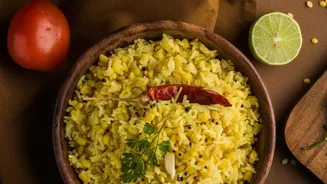
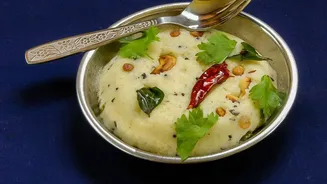
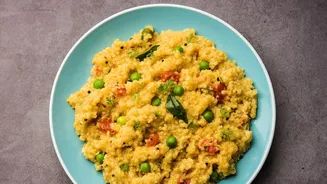
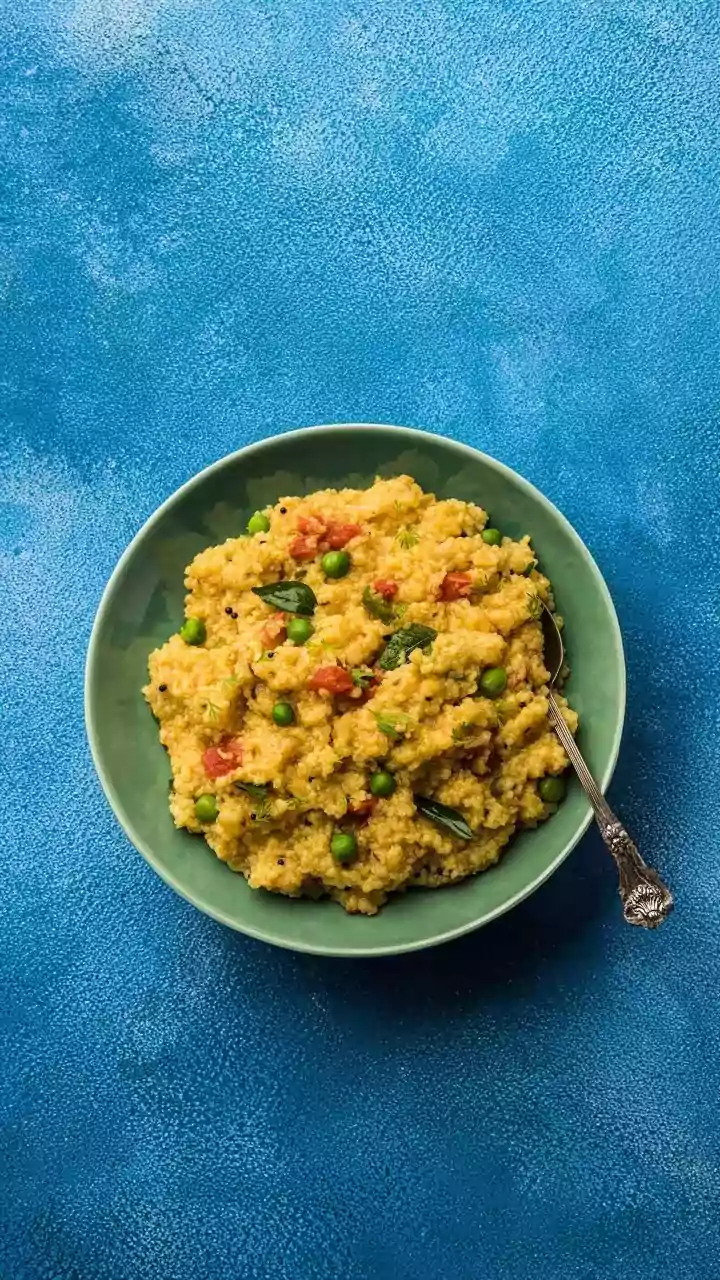
The initial menu proposed by DFRL was a dream for any Indian food lover, featuring comforting staples like khichdi and vegetable pulao. These dishes were subjected to the same rigorous testing protocols. However, getting a dish space-certified is a time-consuming process involving multiple rounds of evaluation for everything from microbial safety to texture and palatability after processing. According to Shukla, the primary hurdle wasn't that the other dishes failed on a fundamental level, but that there simply wasn't enough time to complete the extensive battery of tests required for full certification before the mission's launch. As a result, many of the hopeful contenders had to remain Earth-bound.
Why Aamras and Halwa Succeeded
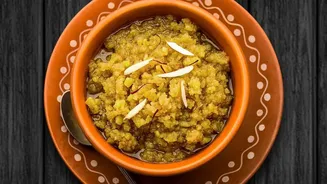
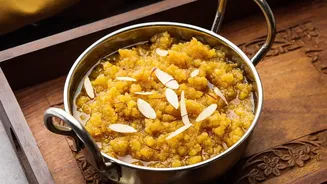
So, what made Aamras (mango puree), Moong Dal Halwa, and Gajar Halwa the chosen few? Their inherent properties made them ideal candidates for space travel. All three are homogenous pastes or thick purees, meaning there are no loose particles or crumbs to worry about. They are naturally energy-dense, providing significant calories and comfort in a compact form. Their composition allows them to be easily processed for a long shelf life, typically through thermostabilization—a method similar to canning that makes food safe at room temperature. Furthermore, their smooth texture makes them easy to consume from a pouch in zero gravity. These sweet, nostalgic dishes didn't just pass the test; they were practically made for it.
More Than Just a Meal
The effort to get Indian food into space highlights the deep psychological importance of eating. Astronauts consistently report that food is a high point of their day, a moment for social bonding and a powerful antidote to the isolation of space. Sharing culturally specific foods, like Shukla did with his international crewmates, becomes an act of cultural exchange. Interestingly, Shukla mentioned that after nearly two weeks in orbit, he began to crave salty and spicy foods, a common phenomenon as fluid shifts in the body can dull the sense of taste. Upon his return to Earth, he was greeted with banana chips and bhakarwadi, a simple but deeply satisfying taste of the savoury flavours he had missed. It proves that whether you are on Earth or orbiting above it, there is truly no substitute for the taste of home.