


A Monumental, If Imperfect, Leap
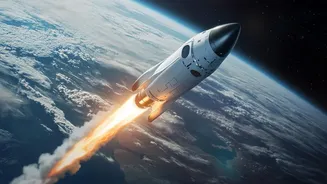
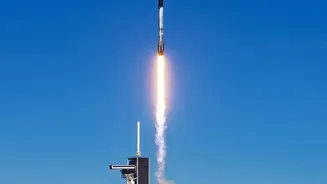
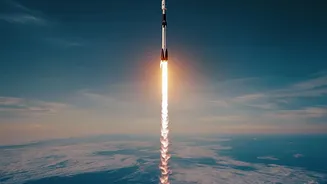
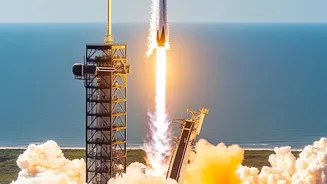
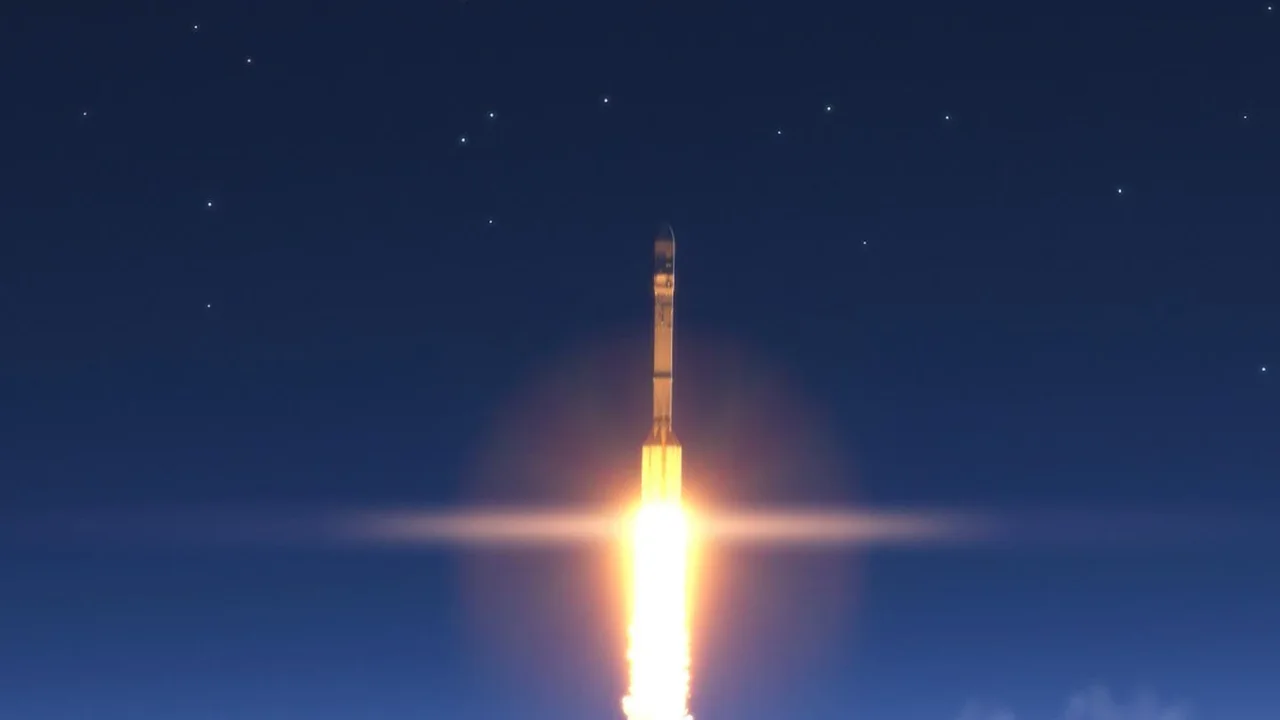
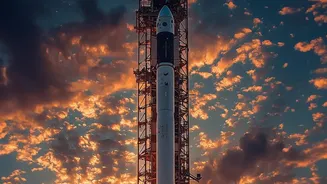
On its 14th test flight, the most powerful rocket ever built thundered into the sky from SpaceX's Starbase facility in Texas. Despite one of its 33 first-stage engines failing during ascent, and a tense debate in mission control about whether to proceed,
the call was made to push for orbit. A short burn from the upper stage's engines nudged the spacecraft into a stable trajectory 170 miles above the planet, prompting cheers from the SpaceX team as the announcer declared, "Starship is orbital." The mission was not without its hitches; an engine on the upper stage also failed, and the planned 10-hour flight was cut short to just over three hours out of an abundance of caution. The vehicle ultimately splashed down and exploded in the Pacific Ocean, but the primary goal was achieved.
What Makes Starship a Game-Changer?
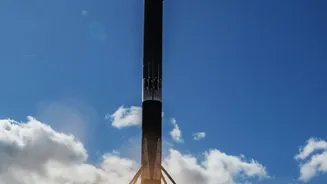
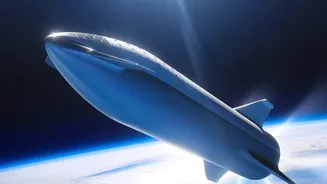
Starship is not just another rocket. Standing nearly 400 feet tall, it's a two-stage, super heavy-lift launch vehicle designed to be fully and rapidly reusable. The first stage, known as the Super Heavy booster, is designed to return to the launch site and be caught by giant mechanical arms, a feat SpaceX has already demonstrated. The second stage, the Starship spacecraft itself, is built to carry crew and cargo to Earth orbit, the Moon, and eventually Mars. Its core promise lies in dramatically lowering the cost of access to space. By reusing both stages, SpaceX aims to operate Starship more like an airliner than a traditional rocket, where most of the expensive hardware is discarded after a single use. This reusability is the key to unlocking ambitious projects that were previously economically unfeasible.
A Long Road to Orbit
This success follows a long and often explosive development path. SpaceX’s philosophy of rapid, iterative testing means it builds prototypes, flies them, and learns from failures in the public eye. The first full Starship launch in April 2023 ended in a fiery explosion four minutes after liftoff. Numerous suborbital test flights followed, some successful, others ending in what the company famously calls a "rapid unscheduled disassembly." These previous flights, while not reaching orbit, were crucial for refining the design and gathering data. This 14th flight was the first attempt to achieve a full orbit, a far more complex and risky maneuver than the suborbital hops that came before it. Reaching this goal validates the company's high-risk, high-reward approach.
Opening the Door to the Moon and Mars
Achieving orbit is the critical gateway to fulfilling SpaceX's ultimate ambitions. The successful flight is a major boost for NASA's Artemis program, which aims to return humans to the Moon. NASA has contracted a version of Starship to serve as the lunar lander that will ferry astronauts from lunar orbit down to the surface, a mission planned for as early as 2028. Before carrying astronauts, Starship must prove its reliability over many more flights. Beyond the Moon, this achievement makes Elon Musk's long-held goal of building a self-sustaining city on Mars seem one giant leap closer. The rocket's massive payload capacity is essential for transporting the enormous volume of supplies, infrastructure, and people needed for such an undertaking.
Shaking Up the Business of Space
The implications for the commercial space industry are immense. During its orbital flight, Starship successfully deployed 26 next-generation Starlink satellites, demonstrating its capability as a heavy-duty satellite launch platform. A single Starship launch has the potential to deploy far more satellites than the company's workhorse Falcon 9 rocket, dramatically accelerating the expansion of its global internet service. This success puts immense pressure on competitors like Blue Origin and United Launch Alliance (ULA). By promising to slash launch costs, Starship could capture a dominant share of the market for everything from commercial satellite deployment to national security missions and deep-space science expeditions, making it the defining launch vehicle of its generation.