





The Heart of the Matter: New Study Findings
Researchers utilising the vast UK Biobank, a long-term health study, have uncovered a significant association between a high intake of ultra-processed foods (UPFs) and an increased risk of atherosclerosis. The study followed over 133,000 participants
and found that those who consumed the most UPFs had a notably higher likelihood of developing the condition. Specifically, individuals in the highest consumption group faced a 29% greater risk of atherosclerosis compared to those who ate the least. This finding adds a crucial piece to the puzzle, suggesting that not only are UPFs linked to general cardiovascular problems, but they are also associated with the specific underlying pathology of hardened arteries. It's important to note that this was an observational study, meaning it shows a strong correlation but does not prove direct causation. However, the connection is strong enough to warrant attention.
What is Atherosclerosis?
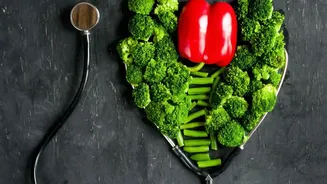
Often called “hardening of the arteries,” atherosclerosis is a slow, progressive disease where plaque builds up inside your arteries. This plaque is a sticky mixture of fat, cholesterol, calcium, and other substances found in the blood. Over time, this buildup can cause the artery walls to become thick, stiff, and narrow, which restricts the flow of oxygen-rich blood to vital organs. Atherosclerosis is the primary cause of most cardiovascular diseases, including heart attacks and strokes. Its development can begin as early as childhood, though it often progresses without symptoms for decades. Major risk factors for the condition include high cholesterol, high blood pressure, smoking, and diabetes.
Decoding 'Ultra-Processed'
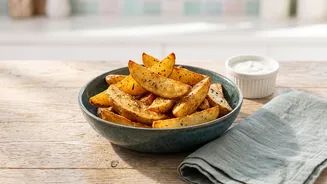
The term “ultra-processed” can be confusing, as most foods we eat are processed in some way. The NOVA classification system, widely used by scientists, helps clarify this. It defines UPFs as industrial formulations made mostly from substances extracted from foods or synthesised in a lab. These products often contain long lists of ingredients you wouldn't find in a home kitchen, such as flavour enhancers, colourings, emulsifiers, and other additives. Think of foods that are engineered for a long shelf life, intense flavour, and convenience. Common examples include packaged snacks like chips, sugary breakfast cereals, instant noodles, frozen dinners, processed meats like hot dogs, and sugary drinks. These differ from minimally processed foods like frozen vegetables or canned beans, and processed foods like simple bread and cheese.
Connecting Diet to Disease
While the UK Biobank study didn't pinpoint the exact mechanism, scientists have several theories on why UPFs may contribute to atherosclerosis. These foods are often high in added sugar, unhealthy fats, and salt, while being low in fibre and essential nutrients—a combination known to promote risk factors like obesity and high blood pressure. Furthermore, the industrial processing itself and the additives used can be problematic. Some researchers suggest that these artificial ingredients could trigger chronic inflammation or negatively affect our gut microbiome, both of which are believed to play a role in the development of cardiovascular disease. Previous studies have also linked high UPF consumption to a greater risk of heart attack, stroke, and overall mortality, reinforcing the concerns raised by this latest research.
What This Means For Your Plate
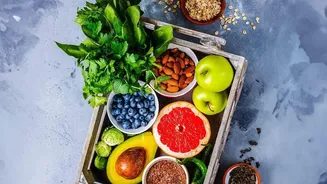
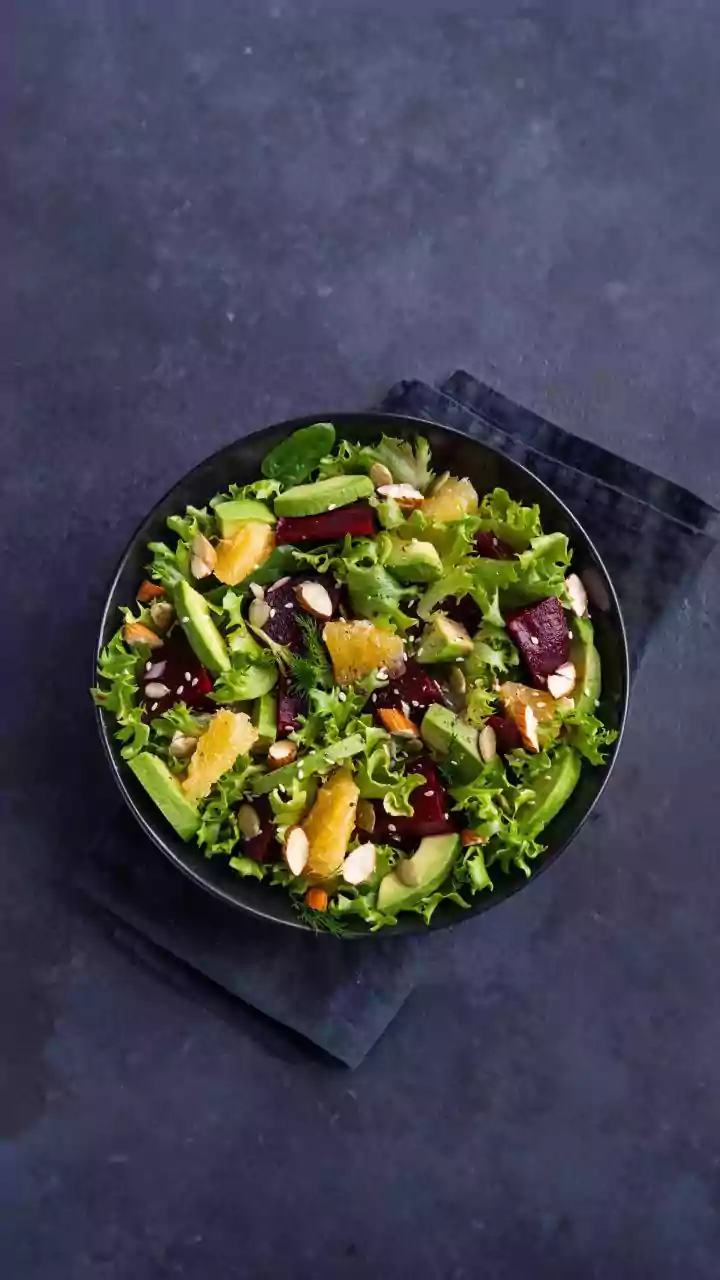
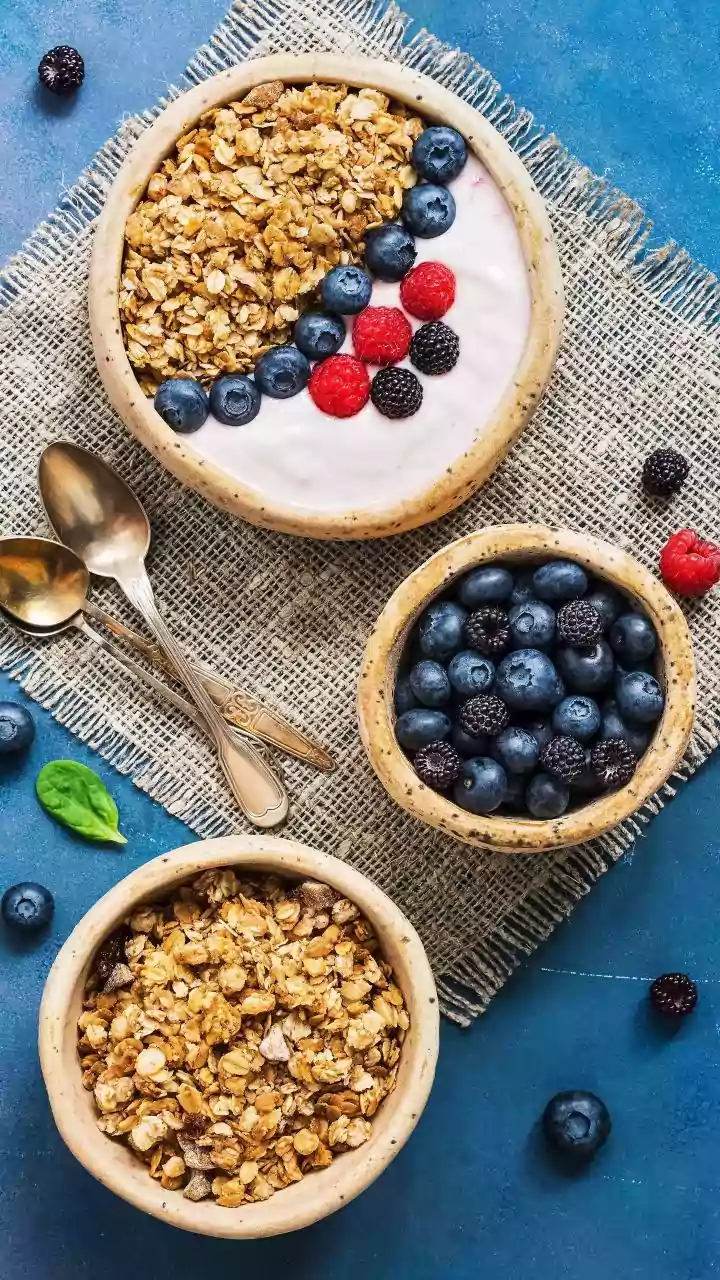
This study reinforces the growing consensus among health experts that diets high in UPFs are detrimental to long-term health. While it's not necessary to eliminate every processed item from your diet, the evidence strongly suggests that reducing reliance on them is a wise move for heart health. Experts recommend prioritising whole or minimally processed foods—things that are as close to their natural state as possible. This means filling your plate with fresh fruits and vegetables, whole grains, lean proteins, and legumes. Reading ingredient labels can be an empowering first step; if the list is long and full of unrecognisable chemical names, it's likely an ultra-processed product. Cooking more meals at home gives you control over the ingredients and can significantly reduce your intake of these industrial formulations. Small, consistent shifts toward whole foods can make a substantial difference over time.