


The Eco-Conscious Shift
One of the biggest drivers behind this trend is a growing environmental awareness. Many Indians, especially in urban areas, are consciously moving away from single-use plastics and disposable decorations that end up in landfills. This shift favors items
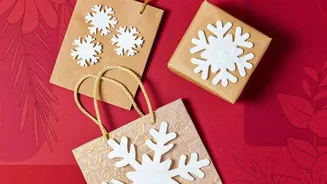
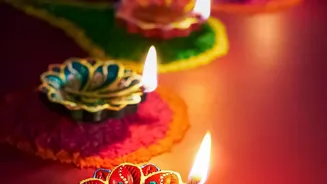
that are either biodegradable or can be repurposed. Instead of plastic garlands, you might see beautiful door hangings, or torans, crafted from scraps of old sarees or colorful fabrics. The traditional art of rangoli, intricate patterns made on the floor, is being created with flower petals, colored rice, and spices instead of synthetic powders. This approach isn't just about reducing waste; it's about celebrating in a way that honors nature, a principle deeply rooted in many Hindu traditions which have long incorporated natural elements.
Creativity and Personalization
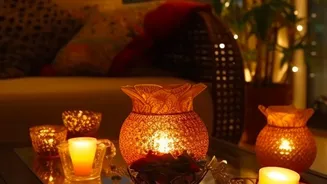
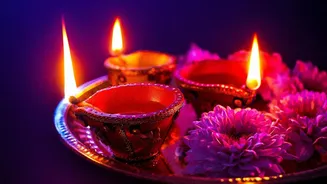
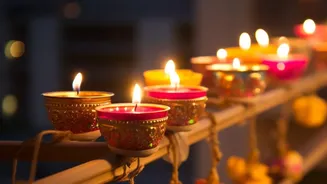
This movement is also a powerful outlet for creativity and personalization. A store-bought decoration is one-size-fits-all, but a handmade piece tells a story. People are finding ingenious ways to see the potential in what others might consider trash. Empty glass bottles and jars are being painted or filled with fairy lights to become dazzling lanterns. Old CDs are repurposed into shimmering wall hangings or torans that catch the light. Even used tin cans and stacked glass bangles are being transformed into unique holders for diyas, the small oil lamps that are a hallmark of festivals like Diwali. This DIY approach allows families to create a festive atmosphere that is uniquely their own, often involving children in the process and turning decoration into a memorable family activity.
Economic Sense and Old-Fashioned Ingenuity
While sustainability and creativity are key drivers, the economic aspect cannot be ignored. Festive seasons can be expensive, and making decorations from existing materials is a practical way to save money without sacrificing the celebratory spirit. It taps into a long-standing Indian tradition of resourcefulness and making the most of what you have. Generations have made decorations from available materials like fresh mango leaves and marigold flowers, which are both auspicious and abundant. Today's trend of using newspaper to craft lanterns or old cardboard for wall art is a modern extension of this very principle. It democratizes festive decor, ensuring that a beautiful, celebratory home is not dependent on a large budget but on imagination and effort.
A Bridge Between Past and Future
Ultimately, turning everyday items into festive decorations is more than just a trend; it's a cultural statement. It beautifully merges the past with the present. The act of hand-making decorations connects with a long history of local craftsmanship and traditional practices that were inherently low-waste. Many traditional Indian practices involved using natural and reusable materials, a wisdom that modern consumerism sometimes overshadowed. By choosing to upcycle and create, people are not only making a choice for a greener future but are also reviving a spirit of self-sufficiency and personal touch that has always been a part of Indian culture. It reflects a desire for celebrations that are not just beautiful, but also meaningful, mindful, and deeply personal.