






A YouTuber's Viral Fuel Concern
In a recent video, popular vlogger Sourav Joshi claimed the fuel efficiency of his Mercedes-Benz GLC SUV plummeted from a healthy 16-17 kmpl to an alarming 5 kmpl. He pointed the finger at E20 petrol, the now-standard 20% ethanol blend, expressing fear
of engine damage. The clip quickly went viral, resonating with many Indians who have been anxious about the fuel transition. While Mercedes-Benz India was quick to clarify that all its recent BS6 petrol models are fully compatible with E20 fuel, the incident perfectly captured the confusion and concern brewing among vehicle owners across the country. Joshi's video became an unintentional, high-profile case study in a debate that affects millions.
What Exactly is E20 Petrol?
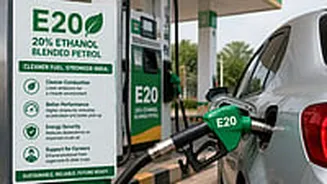
At its core, E20 is a fuel blend comprising 80% petrol and 20% ethanol. Ethanol is a biofuel typically produced from agricultural sources like sugarcane or maize. The Indian government has aggressively pushed for the adoption of E20 fuel, making it the standard petrol across the country to reduce our heavy reliance on imported crude oil, which currently stands at over 85% of our needs. The goals are threefold: lower the country's massive oil import bill, reduce carbon emissions, and provide a stable source of income for farmers. India has even achieved its 20% blending target ahead of the original schedule, marking a significant step in its green energy transition.
The Great Compatibility Debate
The main controversy surrounding E20 is not its intent, but its impact on vehicles, particularly older ones. Most cars and two-wheelers manufactured since April 2023 are designed to be E20-compliant. However, India's roads are filled with millions of vehicles made before this deadline. For these non-compliant engines, using E20 petrol is a gamble. Ethanol is more corrosive than petrol and can degrade certain rubber and plastic components in the fuel system over time, potentially leading to maintenance issues. Furthermore, ethanol has a lower energy content than petrol, which means a slight drop in mileage—typically around 3-5% according to the government—is expected even in compatible cars. This has left many owners of older vehicles worried about long-term engine health and increased fuel costs.
Not Just a Supercar Problem
While a vlogger's concern over his luxury SUV grabbed headlines, the E20 issue is far from an elite problem. The same concerns about engine wear and reduced mileage apply to every non-compliant vehicle, whether it's a high-end sedan or a commuter motorcycle that forms the backbone of daily transport for millions. The government has ruled out providing a choice between E10 and E20 at fuel stations, citing logistical challenges and the massive investment already made in the ethanol blending infrastructure. This means all petrol vehicle owners, regardless of their car's price tag, must now navigate the E20 reality. The debate has even escalated politically, with critics arguing the nationwide rollout was too hasty and didn't follow a NITI Aayog report's recommendation for a more gradual transition.
How to Protect Your Vehicle
Given that E20 is the new normal, what can vehicle owners do? First, determine if your vehicle is compatible. This information is usually available in the owner's manual, on the inside of the fuel filler cap, or on the manufacturer's official website. For cars made after April 2023, you can generally assume they are compliant, but it's always best to check. If you own an older, non-compliant vehicle, it's crucial to be vigilant about your engine's performance and get it serviced regularly. While some experts suggest using premium, higher-octane fuels that may not have ethanol blends, these are not widely available or affordable for everyone. Ultimately, awareness and proactive maintenance are the best tools for any driver navigating this new fuel landscape.