




The Great Air Purification Myth
The idea that houseplants can scrub the air clean is a persistent one, largely stemming from a 1989 NASA study. Researchers found that in a small, sealed chamber, certain plants could remove volatile organic compounds (VOCs) like formaldehyde and benzene
from the air. However, the problem is that your home is not a sealed space station. Subsequent studies have clarified that to achieve a meaningful reduction in air pollutants in a typical room, you would need an impossibly large number of plants—anywhere from 10 to 1,000 per square metre. The natural ventilation from an open window or a building's HVAC system does infinitely more to clean the air than a few potted plants. So, while plants are not effective air purifiers, their popularity isn't misplaced; it's just attributed to the wrong reason.
Your Brain on Greenery
The real magic of houseplants lies in their profound effect on our mental well-being. This connection is explained by the 'biophilia hypothesis', which suggests humans have an innate tendency to connect with nature. Simply having plants in your line of sight can reduce stress, lower blood pressure, and ease anxiety. Studies have shown that interacting with plants—even for a few minutes a day—can lower levels of the stress hormone cortisol. For those of us living in urban apartments, especially in bustling Indian cities with limited access to green spaces, indoor plants serve as a vital link to the natural world, bringing a sense of calm into our otherwise hectic lives.
The Joy of Nurturing
Beyond their passive presence, the act of caring for a plant is a powerful form of mindfulness. The routine of watering, pruning, and checking for new growth provides a gentle structure to our day and a sense of purpose. Watching a new leaf unfurl or a bud begin to bloom delivers a small but significant dose of joy and accomplishment. This process of nurturing something and watching it thrive teaches patience and resilience. Horticultural therapy is even used as a formal practice to help people manage symptoms of depression and anxiety. You don’t need a sprawling garden; a few pots on a windowsill can offer the same feelings of peace and responsibility.
An Extension of Your Style
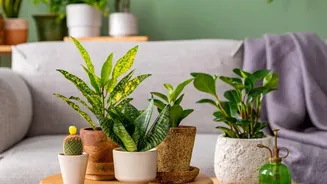
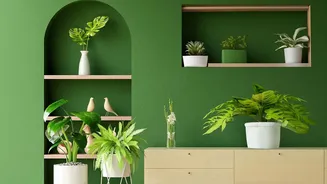
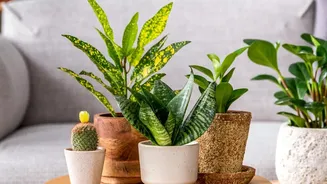
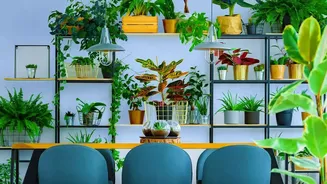
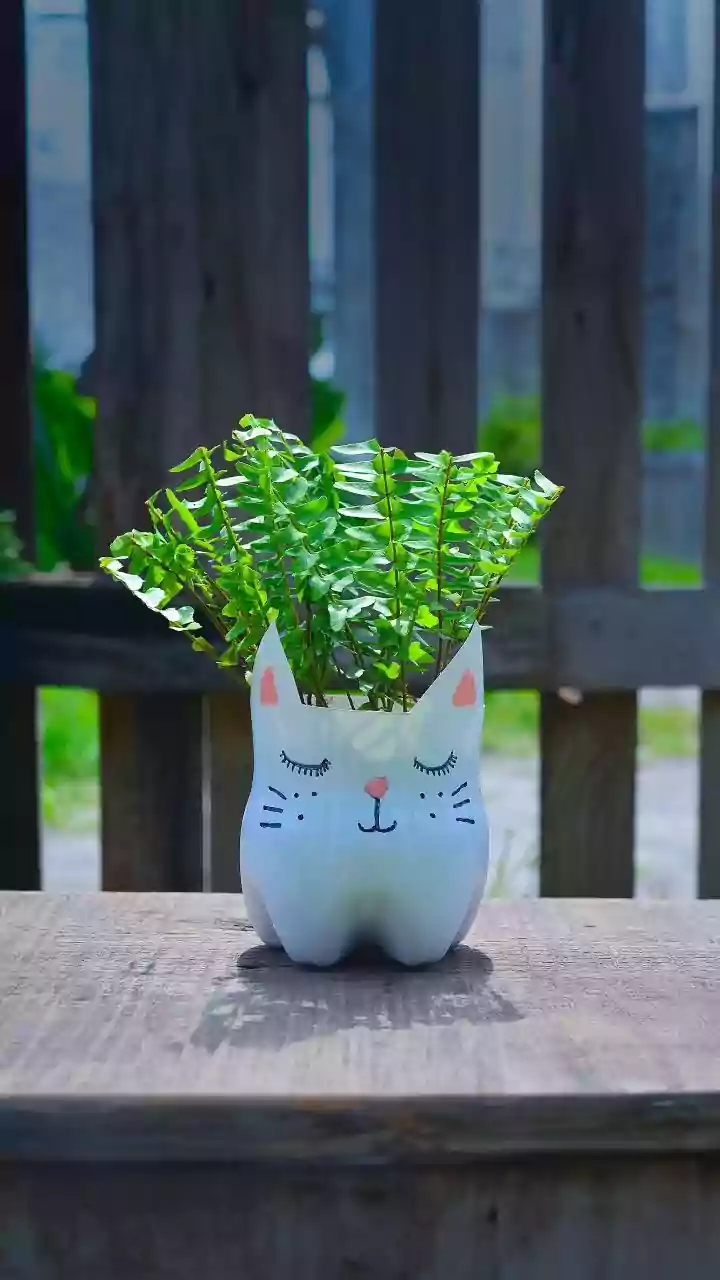
Houseplants have also become a fundamental element of modern interior design. They are living decor, adding texture, colour, and a dynamic quality that inanimate objects cannot replicate. A trailing pothos cascading down a bookshelf or a stately fiddle-leaf fig in a corner can transform the entire feel of a room, making it feel more alive and welcoming. They allow for a unique form of self-expression, where your choice of plants and pots becomes part of your home’s personality. This aesthetic benefit is not just superficial; creating a beautiful and personalised environment that you enjoy being in is crucial for overall well-being and contentment.
A Connection in a Disconnected World
The surge in plant ownership, particularly in recent years, also speaks to a broader cultural shift. In an increasingly digital and indoor world, people are seeking tangible connections. Caring for a plant is a hands-on, screen-free activity that grounds us in the physical world. It offers a routine and a hobby that provides a welcome distraction from daily stressors. Whether it’s sharing propagation tips with friends or simply enjoying the quiet company of your green companions, houseplants foster a sense of connection—to nature, to a community of fellow plant lovers, and ultimately, to ourselves.