







The festive lights have dimmed, but the effects of days of feasting on sweets and snacks linger. The urge to 'detox' by skipping meals is strong, but experts warn this approach can backfire. Here’s how to reset your body the right way.
The Post-Festive Guilt Trap
After days of enjoying
mithai, fried snacks, and rich curries with family, it's natural to feel a bit sluggish and bloated. This often leads to a feeling of guilt and a desire for a quick fix. For many, the most obvious solution seems to be drastic calorie cutting or skipping meals entirely. The thinking is simple: 'I overate yesterday, so I will under-eat today'. While it sounds logical, health experts, including cardiologists, caution against this boom-and-bust cycle. The impulse to punish your body for indulging is not only ineffective for long-term health but can also create a host of new problems. Instead of seeking extreme measures, the focus should be on gentle recovery and re-establishing balance. This mindset shift is the first and most crucial step toward post-Diwali wellness.
Why Skipping Meals Doesn't Work
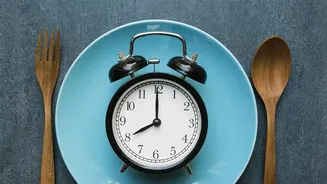
Cardiologists and nutritionists agree that fasting or skipping meals to 'compensate' for festive eating can be counterproductive. Going long periods without food can cause your blood sugar to crash, leading to fatigue, irritability, and intense cravings for the very high-sugar, high-fat foods you are trying to avoid. This can trigger a binge-restrict cycle that is hard to break. Furthermore, skipping meals deprives your body of essential nutrients needed for energy and muscle maintenance, and can even slow down your metabolism as your body enters a state of conservation. For individuals with existing health conditions like diabetes or high blood pressure, irregular eating patterns can be particularly risky, potentially causing electrolyte imbalances or dangerous dips in blood sugar.
Hydrate, But Don't Just 'Detox'
One of the simplest and most effective ways to support your body's natural recovery process is to hydrate well. After consuming salty snacks and sugary sweets, your body can retain excess water, leading to bloating. Drinking plenty of plain water helps your kidneys flush out excess sodium and aids digestion. While many turn to 'detox' teas or juice cleanses, experts say these are often unnecessary and can be misleading. Your liver and kidneys are already efficient detoxification organs. Many so_called detox teas are simply laxatives that can cause dehydration, while juice cleanses are often high in sugar and lack essential fibre and protein. A better approach is to drink water consistently throughout the day. Infusing water with mint or lemon can be a refreshing alternative, but the primary benefit comes from the water itself.
Return to Regular, Balanced Meals
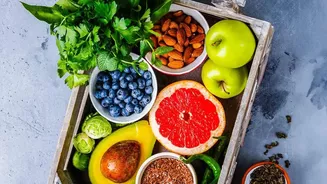
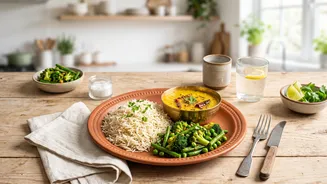
Instead of fasting, the best strategy is to return to a routine of regular, balanced meals. Don't skip breakfast. A morning meal rich in protein and fibre, like a vegetable omelet or moong dal chilla, helps stabilize blood sugar and control appetite for the rest of the day. For lunch and dinner, focus on what cardiologists call 'balanced plating'. Fill at least half your plate with vegetables and salad for fibre and nutrients. Add a source of lean protein like dal, grilled chicken, or fish, which helps with satiety. Round out the meal with a small portion of whole grains like roti or brown rice. This approach provides steady energy and prevents the intense hunger that leads to poor food choices. The goal is not restriction, but nourishment.
Embrace Gentle Movement
The temptation after overindulging is often to engage in a punishing, highndensity workout to 'burn it all off'. However, experts suggest starting with gentle movement. A 10to15minute walk after meals can significantly aid digestion, help manage blood sugar levels, and reduce the feeling of heaviness. Strenuous exercise immediately after a large meal can divert blood flow away from your stomach, slowing digestion. Light activities like walking, stretching, or yoga support your metabolism without putting excessive stress on a body that is already working to process the festive foods. Regular, moderate physical activity is a cornerstone of heart health and is far more sustainable than sporadic, intense workouts driven by guilt.