







The Underrated Importance of Rest Stops
The brief halt your bus makes in the middle of the night is more than just a tea break; it's a crucial part of the journey. Before booking, try to find information about the operator's designated rest stops. Reputable bus companies often partner with
well-lit, clean, and safe facilities. A good rest stop will have hygienic washrooms, decent food options, and a secure environment. Most overnight buses make one planned stop, typically two to three hours into the journey. This is your best opportunity to use the restroom and stretch your legs. After this halt, the bus usually continues without long breaks, so it's wise to use it. Be wary of operators with vague or no information on their stops, as this can indicate poorly maintained or unsafe locations. For solo and female travellers, a well-regarded rest stop is a non-negotiable safety feature. Always be aware of your surroundings, and if travelling with someone, accompany each other.
How to Decode the Seat Layout
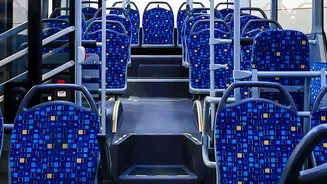
The seat you choose can make or break your ability to sleep. For any journey over six hours, a sleeper berth is far superior to a semi-sleeper or seater. Sleeper buses in India typically have a 2+1 layout: a column of double berths on one side of the aisle and single berths on the other. For solo travellers, the single berth offers the most privacy and personal space. When choosing your berth, consider the following: Lower vs. Upper: Lower berths are easier to get into and are often preferred by those with mobility concerns. However, some find upper berths more private, with less foot traffic passing by. Front vs. Back: Seats at the very front may have to contend with the glare of oncoming headlights and conversation from the driver's cabin. Seats at the very back, over the rear axle, often experience the bumpiest ride. A berth in the middle of the bus generally offers the smoothest and most stable journey. Check recent reviews on booking platforms to see what other travellers say about a specific bus's comfort and cleanliness.
Planning Your Arrival: The Final Mile
Your journey doesn't end when the bus stops. Arriving at a strange bus terminal at 5 or 6 AM can be disorienting, and planning your onward transport is essential. Before you even start your trip, research your options for the final leg of your journey. Many major bus stations are located in central parts of the city, but last-mile connectivity can still be a challenge at odd hours. Check for the availability of pre-paid auto-rickshaw stands, app-based cab services like Ola or Uber, or local public transport from the bus station. If you have a hotel booking, inform them of your early arrival. Many hotels will allow you to store your luggage even if your room isn't ready, which is a huge convenience. Some might even allow an early check-in for a fee or if the room is available. Having a clear plan for when you step off the bus removes a major source of travel stress and ensures your trip starts on a positive note.
Bonus Tips For A Restful Journey
Beyond the big three, a few small preparations can significantly improve your comfort. Pack a small carry-on bag with essentials. This should include an eye mask, earplugs or noise-cancelling earphones, and a power bank, as onboard charging points can be unreliable. A light shawl or hoodie is also recommended, as AC buses can get surprisingly cold overnight. Dress in comfortable, layered clothing. Pack a water bottle and some light, non-greasy snacks like nuts or biscuits. This gives you control over when you eat, rather than relying solely on the rest stop. Finally, download any movies, music, or podcasts before you leave, as bus Wi-Fi and mobile networks on highways can be inconsistent.