




The Modern Snack Aisle vs. Tradition
Walk into any supermarket, and you'll be greeted by an ever-growing wall of 'healthy' snacks. Protein bars, cookies, and crisps, all in shiny wrappers, promise to build muscle, boost energy, and keep you full. They are marketed as the convenient, modern
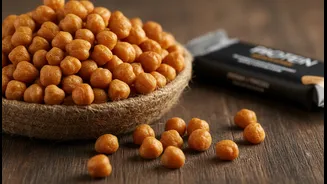
solution to our fast-paced lives. Yet, amid this flood of ultra-processed options, a traditional Indian staple, roasted chana (or bhuna chana), quietly holds its ground. The claim that this simple, single-ingredient snack could be more 'useful' than a scientifically formulated protein bar seems bold, but a closer look reveals a powerful truth about what our bodies actually need.
The Protein-for-Protein Comparison
Let's start with the main event: protein. A typical premium protein bar might offer anywhere from 15 to 30 grams of protein. Roasted chana, by comparison, provides a significant amount of plant-based protein, clocking in at around 19 to 22 grams per 100-gram serving. While some bars may have a higher protein count on paper, the source matters. Most bars use highly processed protein isolates, like soy or whey, which are stripped of their natural co-factors. Roasted chana provides protein in its whole-food form, delivering a more complete nutritional package. For a typical snack-sized serving of 50 grams, both chana and a protein bar can offer a comparable 10-11 grams of protein.
The All-Important Fiber Factor
Here is where roasted chana truly begins to pull ahead. The concept of 'usefulness' in a snack is not just about one macronutrient; it’s about how it makes you feel. Satiety, or the feeling of fullness, is crucial. Roasted chana is incredibly rich in dietary fiber, with a 100-gram serving containing about 12 to 17 grams. This fiber slows digestion, helps regulate blood sugar levels, and keeps you feeling full for much longer. Many protein bars, on the other hand, are notoriously low in fiber, sometimes containing as little as 1-5 grams per serving. This can leave you feeling hungry again sooner, and some people experience bloating from the sugar alcohols and binders used instead of natural fiber.
Decoding the Ingredient List
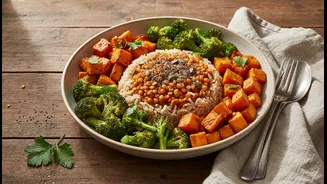
The ingredient list for roasted chana is beautifully simple: chickpeas, and perhaps a pinch of salt. Now, pick up a protein bar. The list can be a daunting paragraph of protein blends, sugar alcohols (like erythritol or sucralose), emulsifiers (like soy lecithin), hydrolyzed gelatin, and various gums and oils used to create a bar-like texture. While not all these ingredients are inherently harmful, they signify a highly processed product. Diets high in ultra-processed foods are increasingly linked to negative health outcomes. Roasted chana offers clean, whole-food nutrition without the chemical intervention.
The Price of a Snack
Usefulness also extends to your wallet. In India, a premium protein bar can cost anywhere from ₹50 to ₹100 or more. A generous portion of roasted chana, offering similar protein and superior fiber, can be purchased for a fraction of that price, often around ₹10-₹20 from a local vendor or made cheaply at home. For the everyday person looking for a regular, healthy snacking habit, the cost of relying on premium protein bars can add up quickly. Roasted chana provides exceptional nutritional value at an accessible price point, making it a more sustainable choice for long-term health and budgeting.
Micronutrient Richness
Beyond protein and fiber, roasted chana is a treasure trove of essential micronutrients. It's a good source of manganese, folate (vitamin B9), iron, magnesium, and phosphorus. These minerals are vital for everything from bone health and energy production to immune support. While many protein bars are fortified with synthetic vitamins, the nutrients in chana are naturally occurring and more bioavailable, meaning your body can absorb and use them more effectively.