





What is Fleet Harmonisation?
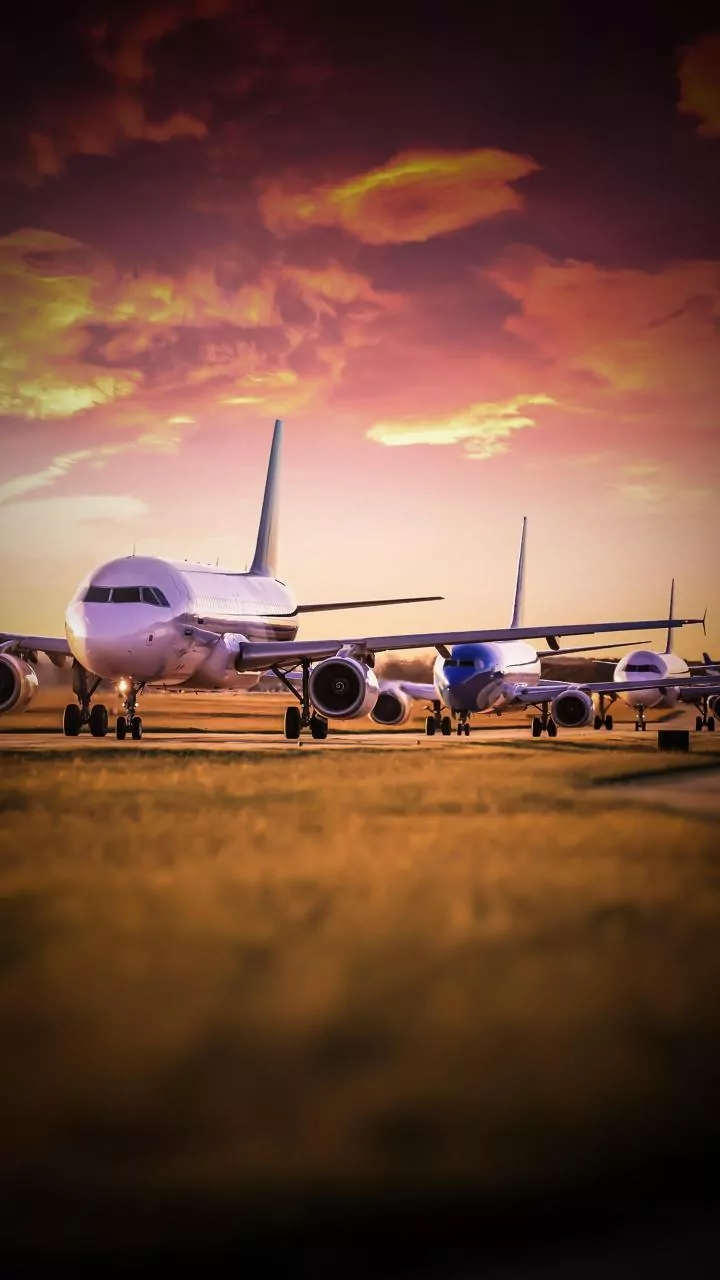
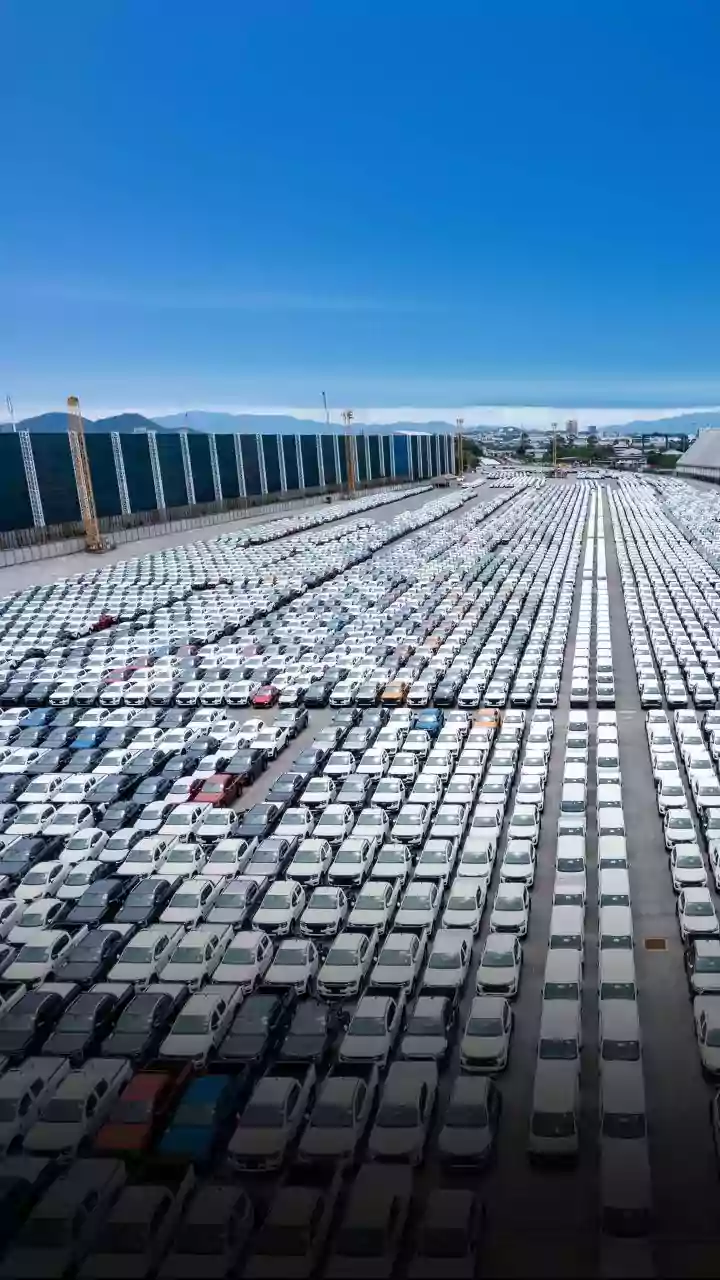
In the airline industry, 'fleet harmonisation' refers to the process of standardising an airline's aircraft to a single type, or at least to models from a single manufacturer. For a low-cost carrier like Air India Express, this is more than just a tidy-up;
it's a fundamental business strategy. Running a mixed fleet of different aircraft types, such as Boeing and Airbus, means juggling separate pools of pilots and cabin crew with different trainings, maintaining two distinct sets of spare parts, and creating separate maintenance schedules and teams. This complexity adds significant operational costs. By moving towards a single aircraft family, an airline can streamline everything from pilot training to maintenance, leading to substantial cost savings and increased operational efficiency.
A Tale of Two Fleets
The challenge for Air India Express began with its integration of AIX Connect (formerly AirAsia India). The merger, which was legally completed in October 2024, brought two different airline cultures and, crucially, two different fleets under one roof. The original Air India Express primarily operated a fleet of Boeing 737 aircraft. In contrast, AIX Connect's fleet was composed of Airbus A320 family jets. This left the newly merged entity with a diverse and complicated mix of aircraft. As of early 2026, the combined fleet includes Boeing 737s (both MAX and NG models) and various Airbus models like the A320ceo, A320neo, and A321neo, creating the exact operational complexity that low-cost carriers try to avoid.
The Path to a Single Fleet
The March 2027 target is the deadline for untangling this complex mix. The airline's strategy involves a massive aircraft induction and retrofitting program. Air India Express has a significant order for new Boeing 737 MAX aircraft, which form the backbone of its future fleet. The plan involves phasing out the Airbus A320s that came from the AIX Connect merger and from transfers from parent company Air India. In parallel, the airline is retrofitting its existing Boeing 737 MAX aircraft to ensure a consistent passenger experience. Many of these planes were acquired as 'white-tails' (jets built for other airlines that cancelled their orders) and came with varied seating configurations, including some with business class seats. These are being converted to a standardised all-economy layout with 189 seats, which also unlocks extra capacity equivalent to adding several new planes to the fleet.
Why This Matters for Tata's Aviation Play
This fleet harmonisation is a cornerstone of the Tata Group's broader ambition to overhaul its aviation business. By creating a lean, efficient, and unified low-cost carrier in Air India Express, the group is building a powerful competitor to IndiGo, India's dominant budget airline. A standardised fleet allows for greater network flexibility, quicker aircraft turnaround times, and a more predictable and reliable service for passengers. This move is part of a larger consolidation where four Tata-owned airlines are being merged into two: a full-service carrier (Air India, including the Vistara merger) and a low-cost carrier (the merged Air India Express). This dual-brand strategy aims to capture a significant share of both the premium and budget travel markets.
What It Means for Passengers
For travellers, the end goal of this project is a more consistent and modern flying experience. The new and retrofitted Boeing 737 MAX aircraft will feature modern cabin interiors, including seats with USB-A and USB-C charging ports for every passenger. As the fleet becomes more uniform, scheduling should become more reliable, reducing the likelihood of disruptions caused by aircraft-specific technical or crewing issues. The focus on a single-class, all-economy configuration across the entire narrow-body fleet reinforces the airline's identity as a pure low-cost carrier. As the airline expands, this standardised model will allow it to rapidly increase flights on existing routes and open new connections, particularly between India's Tier 2 and Tier 3 cities and international destinations in the Middle East and Southeast Asia.