




The Whole Fruit Advantage
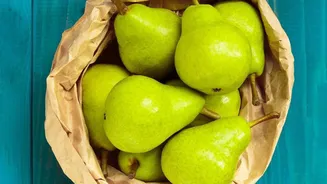
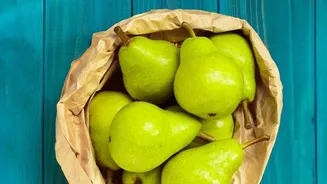
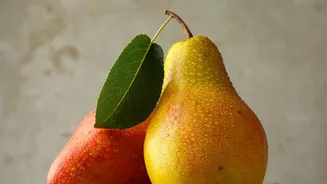
A fresh Nashpati, also known as the Indian pear, is a nutritional powerhouse. A medium-sized pear contains around 101 calories and is packed with about 6 grams of dietary fibre, which is roughly 24% of your daily requirement. This fibre is crucial for
good digestion, helping to prevent constipation and keeping you feeling full longer, which can aid in weight management. The skin is particularly important, as it holds a significant amount of the fruit's fibre and antioxidants. Pears are also a good source of essential vitamins and minerals, including Vitamin C, Vitamin K, potassium, and copper, which support everything from your immune system to heart health.
The Sugar in Processed Options
One of the biggest differences between a fresh Nashpati and its processed cousins lies in sugar content. Pears canned in heavy syrup, for example, are loaded with added sugars. A half-cup serving of pears in heavy syrup can contain around 21 grams of sugar, nearly double the amount found in the same quantity of fresh pears. This added sugar, which can include high-fructose corn syrup, adds extra calories without providing nutritional benefits. Even products marketed as having "no sugar added" may contain artificial sweeteners. Pear juice is also problematic; processing turns the natural sugars bound within the fruit's cells into 'free sugars' that can cause a faster spike in blood sugar levels.
The Missing Fibre
Processing, especially for juice, strips away one of the most valuable components of the pear: its fibre. Whole pears contain both soluble and insoluble fibre, which work together to regulate blood sugar, lower cholesterol, and promote a healthy gut. When a pear is pressed to make juice, most of this fibre is removed. This is why eating a whole pear is more filling and better for your digestive system than drinking a glass of pear juice. While some canned pears retain fibre, the peeling process can remove the nutrient-rich outer layers. To get the maximum benefit, eating the fruit with its skin on is always the best approach.
Nutrient Loss During Processing
The journey from orchard to can or carton can take a toll on a pear's delicate nutrients. The heating involved in canning and pasteurisation can degrade heat-sensitive vitamins, most notably Vitamin C. While canned fruits can retain their vitamin content for longer periods than fresh fruit that has been stored for many days, the initial process causes a definite loss. Dehydrating fruits can also reduce Vitamin C, while concentrating sugars and calories. A fresh, ripe pear eaten at its peak offers the most vibrant array of vitamins and antioxidants in their natural, unaltered state.
Making the Healthier Choice
Choosing a fresh Nashpati is a simple step towards a healthier diet. Its natural sweetness, high fibre content, and rich profile of vitamins and antioxidants make it a superior choice for everyday eating. It provides a natural energy boost without the crash associated with refined sugars and supports everything from heart health to digestion. When shopping for processed options, reading the label is key. Look for pears canned in their own juice or water instead of heavy syrup to avoid excess sugar. For juice, 100% unsweetened juice is better than sugary juice drinks, but it still can't replace the benefits of eating the whole fruit.