
The Humble Power of Dals
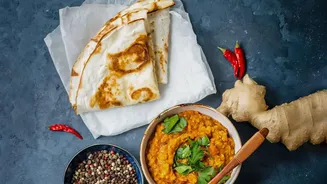
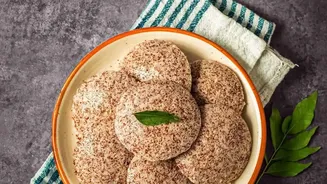
Lentils, or dals, are the foundation of Indian cuisine and a nutritional powerhouse. A single cooked cup can provide between 18 to 25 grams of protein. Urad dal, known for making dal makhani and idli batter, is one of the richest in protein, offering
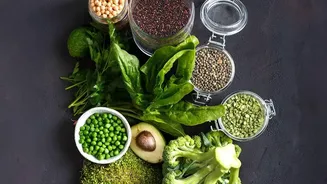
about 25 grams per 100g (raw). Masoor, toor, and moong dal are not far behind and are incredibly versatile. Beyond the classic dal tadka, you can use them to make protein-packed cheelas (savory pancakes), add them to soups, or sprout them for salads to enhance nutrient absorption. Mixing different dals, as in a Panchmel Dal, provides a more complete amino acid profile.
Embrace Beans and Legumes
Classics like chana masala and rajma chawal are not just comfort food; they are loaded with protein. Cooked chickpeas (chana) and kidney beans (rajma) offer roughly 15 grams of protein per cup. Chickpeas have a slight edge, with about 8.9 grams of protein per 100g cooked portion, compared to rajma's 8.7 grams. These legumes are also high in fibre, which aids digestion and keeps you feeling full. Don't limit them to curries; roasted chickpeas make a fantastic crunchy snack, while boiled kala chana can be turned into a nutritious chaat.
Get to Know Soy
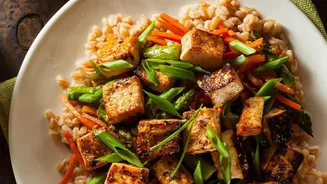
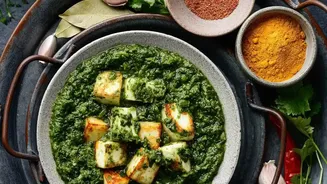
Soy is one of the most protein-dense plant foods available. Tofu, made from curdled soy milk, is an excellent paneer substitute and provides around 10 grams of protein per 100g. It's brilliant at absorbing flavours, making it perfect for scrambles (bhurji), stir-fries, and curries. For a meatier texture, try soya chunks in biryanis or curries. Tempeh, made from fermented soybeans, is another fantastic option with a nutty flavour and a firm texture, offering about 15 grams of protein per half-cup. Boiling tempeh briefly before cooking can remove any bitterness and helps it soak up marinades beautifully.
A Handful of Protein
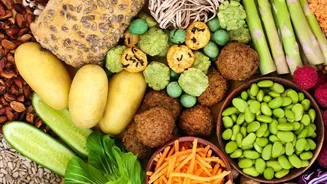
Nuts and seeds are an incredibly easy way to boost your protein intake. Peanuts are a budget-friendly hero, with about 26 grams of protein per 100g. Almonds offer around 21 grams, while pistachios provide 20 grams. Seeds are equally impressive. Hemp seeds lead the pack, but more common options like pumpkin seeds (around 7g per 28g serving) and sunflower seeds are also excellent sources. A simple handful can serve as a fulfilling snack, or you can sprinkle them over yogurt, salads, and oatmeal for an added crunch and nutritional kick.
Dairy, But Different
If you enjoy dairy, there are great options beyond paneer. Greek yogurt, or hung curd, is a protein superstar. The straining process that removes excess whey concentrates the protein, resulting in about 8-10 grams per 100g serving, which is nearly double that of regular curd. This makes it a more filling option. Its thick, creamy texture is perfect for making dips, smoothies, and marinades, or simply enjoying it with a sprinkle of nuts and seeds. It also contains less lactose, which may be easier for some people to digest.
Don't Forget Grains and Millets
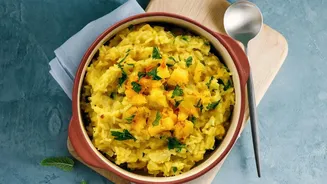
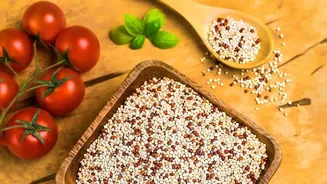
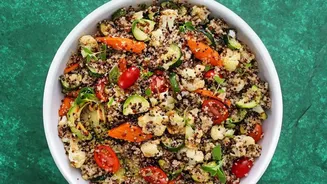
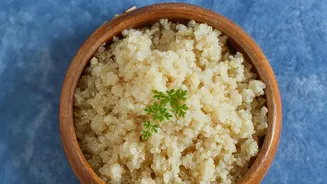
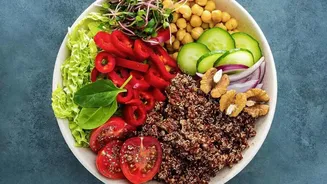
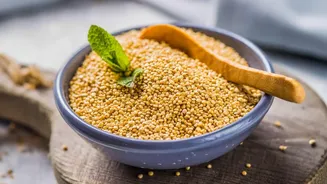
Certain grains and millets also contribute significantly to your daily protein intake. Quinoa and amaranth (rajgira) are notable because they are complete proteins, meaning they contain all nine essential amino acids. While staples like wheat and rice have some protein, incorporating these other grains can diversify your nutrient sources. Oats are another excellent choice for a protein-rich breakfast. You can use these grains to make upma, pulao, or khichdi, adding both texture and a solid nutritional boost to your meals.