






A Nationwide Celebration of History
Indian Railways has announced a unique initiative called “Station Mahotsav” to honour the founding anniversaries of 103 heritage stations across the country. Spanning from August to November, these events are designed to showcase the deep-rooted history
and local culture embedded in these British-era structures. The selection is a journey back in time itself, with 72 of the stations dating back to the 19th century and the remaining 31 built in the early 20th century. This project aims to transform these historic landmarks from mere points of passage into vibrant centres of community pride and cultural celebration.
From the 1850s to the 1930s
The list of stations is a testament to the sprawling history of India's rail network. Among the oldest are Kalyan in Maharashtra and Howrah in West Bengal, both established in 1854, just a year after the first passenger train ran in India. They are closely followed by stations like Bally and Bardhaman in West Bengal (1855). The list also includes iconic hubs like Old Delhi Railway Station, which was established in 1867, and Lucknow Charbagh, known for its magnificent architecture from 1926. The timeline extends into the 1930s, featuring newer heritage sites like Thiruvananthapuram in Kerala (1931) and the charming Malgudi station in Karnataka (1934), immortalised in literature. This diverse group represents the architectural and strategic evolution of the railways over nearly 80 years.
More Than Just a Facelift
The “Station Mahotsav” is not merely about renovation but about active celebration. The Railway Board has planned a standardised programme for the festivities. Activities will include historical photo exhibitions, displays of vintage railway equipment, and the screening of short films dedicated to the heritage of each location. This effort aligns with the broader vision of the Amrit Bharat Station Scheme, which focuses on redeveloping stations by blending modern amenities with local culture and heritage. The goal is to make these stations not just functional but also destinations that reflect the identity of their cities, turning them into integrated urban centres.
Preserving a Colonial Legacy
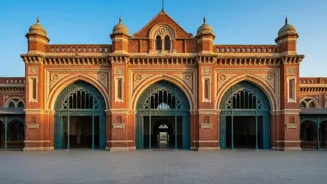
These stations are powerful symbols of India's complex history. Built during the British Raj, they were instruments of control and commerce, designed to connect the vast subcontinent for administrative and economic purposes. Their architectural styles often reflect this, with many featuring grand Victorian, Gothic, or Indo-Saracenic designs that made them landmarks in their respective cities. For instance, Lucknow Charbagh combines Mughal and Rajput elements with European styles, while the Chhatrapati Shivaji Maharaj Terminus in Mumbai is a world-renowned example of Gothic Revival architecture. Preserving these structures is about maintaining a tangible link to the past and acknowledging the transformative role the railways have played in shaping modern India.
A Future Rooted in the Past
While celebrating history, Indian Railways is also looking towards the future. The heritage celebrations are part of a larger push to modernise the nation's rail infrastructure without erasing its soul. The Amrit Bharat Station Scheme, which is redeveloping over a thousand stations, emphasizes that new designs should be inspired by local heritage. This ensures that as stations become equipped with modern facilities like improved accessibility, Wi-Fi, and better passenger areas, they do not become generic, soulless buildings. Instead, the plan is to create spaces that are both efficient for the modern traveller and resonant with the history and culture of the region they serve, embodying a vision of 'Virasat Bhi, Vikas Bhi' (heritage and development together).