



The Quest for Ultimate Crispiness
The single most important step to achieving a gloriously crispy tofu texture is removing as much water as possible. Tofu is packed in water, and if that moisture remains, the tofu will steam in the pan instead of frying. This leads to a soft, sometimes
crumbly result. To avoid this, press your block of firm or extra-firm tofu for at least 30 minutes. You don’t need a fancy gadget; simply place the tofu block on a plate lined with paper towels, add more paper towels on top, and place something heavy—like a few books or a cast-iron skillet—on it. This pressure squeezes out the excess water, creating a denser, firmer block that's ready to become incredibly crisp. This step also allows the tofu to better absorb marinades and sauces later on.
The Cornstarch Secret and Cooking Method
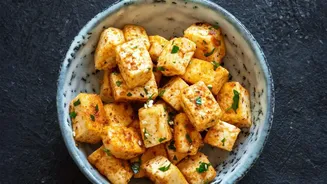
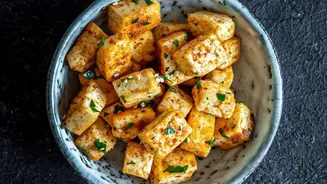
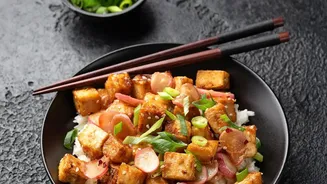
Once your tofu is pressed and dry, cut it into cubes or tear it into rustic, nugget-like pieces for more craggy edges that catch the sauce. The next secret weapon is a light coating of cornstarch. Tossing the tofu pieces in cornstarch mixed with a little salt and pepper creates a dry outer layer that crisps up beautifully when cooked. For cooking, you have options. Pan-frying in a hot, oiled skillet is a classic method that yields a fantastic golden-brown crust in about 8-10 minutes. Baking at a high temperature (around 200°C) is a more hands-off approach that also results in firm, chewy tofu. An air fryer will also deliver exceptionally crispy results. Whichever method you choose, the key is to cook the tofu separately until it's golden and crisp on all sides before introducing any sauce.
Understanding Gochujang's Magic
Now for the flavour. Gochujang, a fermented Korean chilli paste, is the heart and soul of this dish. It's much more than just a hot sauce. Made from red chilli powder, glutinous rice, fermented soybeans, and salt, gochujang delivers a complex symphony of flavours: it's spicy, savoury, earthy, and slightly sweet all at once. This depth of flavour is what provides the signature 'fermented heat and sweetness' that elevates the entire bowl. Its unique umami quality adds a richness that simple hot sauces can't replicate. While its thick consistency can be intense on its own, it becomes the perfect base for a glaze when thinned with other ingredients.
Crafting the Perfect Gochujang Glaze
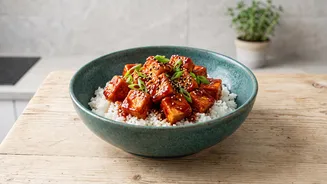
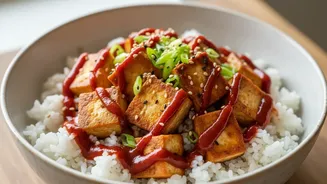
Creating a balanced gochujang glaze is simple. The goal is to complement its spicy and savoury notes. In a small bowl, whisk together gochujang paste with a few other key ingredients. A typical glaze includes soy sauce for saltiness and umami, a sweetener like maple syrup or honey to balance the heat, rice vinegar for a touch of acidity, and toasted sesame oil for nutty aroma and flavour. Minced garlic and grated ginger are often added for an extra layer of aromatic punch. Once you've crisped your tofu, you can warm this sauce in the pan for a minute until it thickens slightly, then toss the tofu in the glaze to coat it completely. This ensures the tofu stays crispy, as it’s only coated in the sauce right at the end.
Assembling Your Masterpiece Bowl
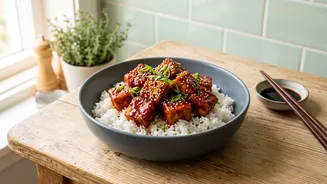
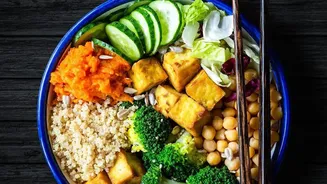
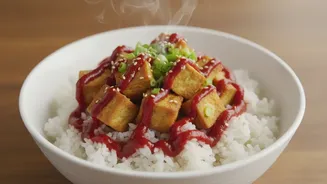
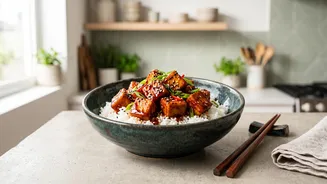
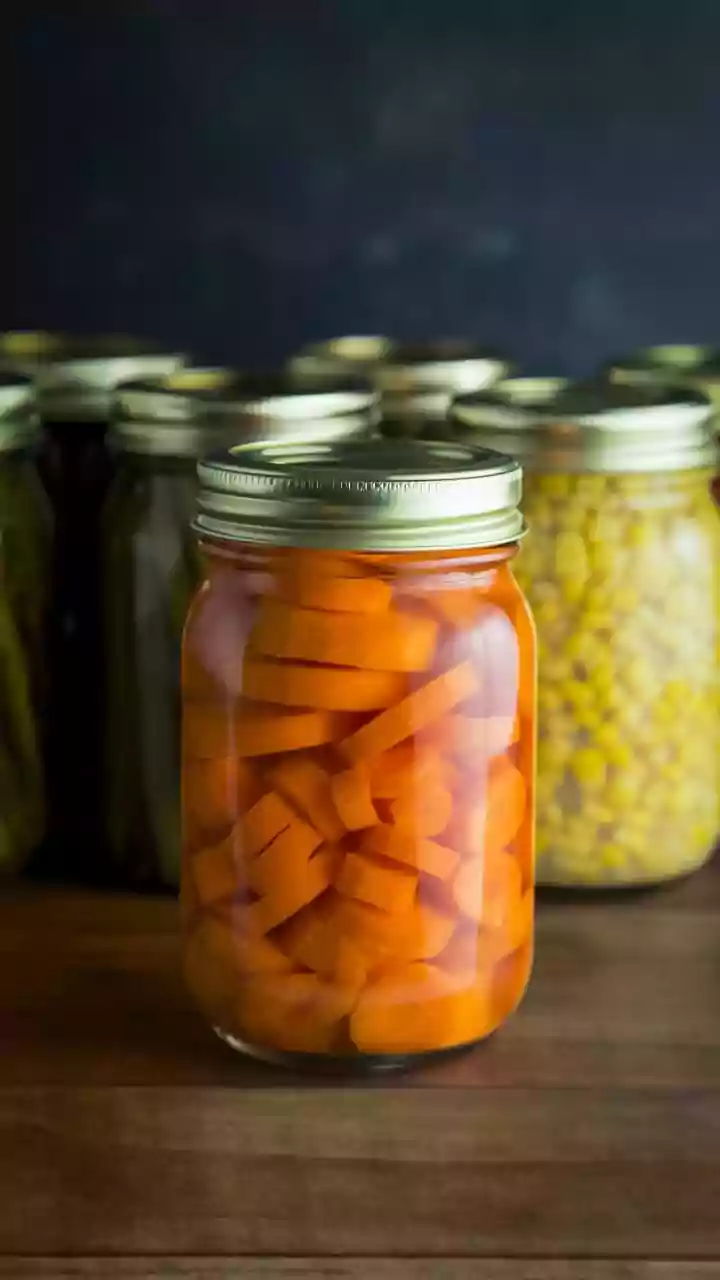
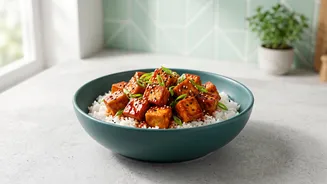
With your crispy, glazed tofu ready, the final step is assembly. Start with a foundation of warm, steamed rice in each bowl. Arrange a generous portion of the gochujang tofu on one side. The beauty of a rice bowl is its versatility, so feel free to add complementary textures and flavours. Fresh or lightly pickled vegetables are a great addition; think sliced cucumbers, shredded carrots, or blanched spinach. For a final flourish, garnish with a sprinkle of toasted sesame seeds and some finely chopped spring onions. These not only add visual appeal but also contribute a final layer of texture and fresh flavour to your finished dish.