
The Beloved Indian Modak
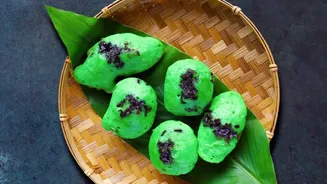
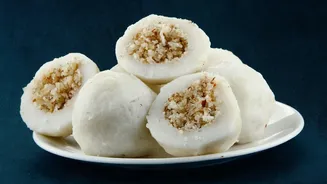
For countless Indians, the sight of a pleated, pyramid-shaped dumpling instantly brings to mind Ganesh Chaturthi. The modak, especially the steamed variety known as ‘ukadiche modak’, is more than just a sweet; it’s a sacred offering and a taste of home.
Its origins are ancient, with mentions in texts dating back centuries. The classic recipe features an outer shell made from soft, steamed rice flour, encasing a warm, fragrant filling of freshly grated coconut and jaggery, often spiced with cardamom. This combination creates a delightful textural contrast between the pliable dough and the sweet, crumbly interior. Served hot with a dollop of ghee, the modak is a symbol of joy and is considered the favourite food of Lord Ganesha, earning him the name ‘Modakapriya’, or one who loves modaks.
Japan's Edible Art: The Wagashi
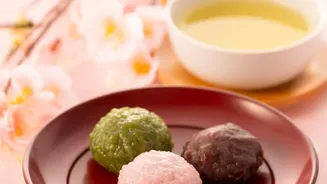
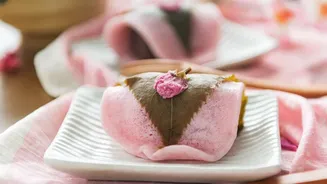
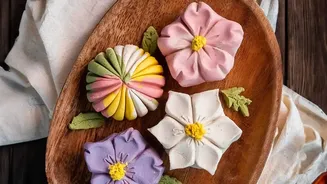
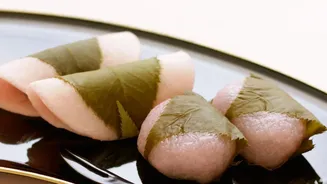
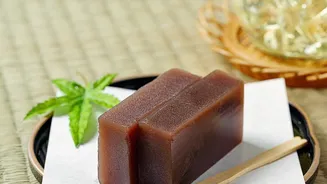
Across the continent, Japan has its own world of intricate confections known as ‘wagashi’. These traditional sweets are often served with green tea and are celebrated for their beauty and deep connection to the seasons. Among the most artistic of these are ‘nerikiri’ wagashi, which are made from a smooth, pliable dough of sweetened white bean paste (shiroan) and a glutinous rice flour derivative. This dough-like paste is then masterfully sculpted by hand into exquisite shapes that reflect nature—cherry blossoms in spring, maple leaves in autumn, and, crucially, the chrysanthemum flower. These are not just desserts but edible art forms, each piece telling a story of the time of year.
A Tale of Two Sweets
The sweet that bears a striking resemblance to the modak is a type of wagashi, often a nerikiri, shaped like a chrysanthemum bud (kiku). With its delicately pinched and pleated top, it looks uncannily like the hand-moulded Indian modak. However, once you look past the shape, the differences are profound. Where the modak has a filling of coconut and jaggery, the wagashi is typically filled with more sweet bean paste, often a contrasting red bean paste (anko). The modak’s shell is made of rice flour, giving it a soft, slightly chewy texture. The nerikiri’s shell is made from bean paste, resulting in a smoother, denser, and more clay-like consistency. The modak is rustic, comforting, and deeply tied to devotional practice. The wagashi is an emblem of refinement, precision, and the appreciation of seasonal beauty, often enjoyed during tea ceremonies.
The All-Important Qualification
So, if they aren’t related, why do they look so similar? This is the key qualification to keep in mind: the resemblance is likely a case of culinary convergent evolution. This is where different cultures independently arrive at similar solutions or forms. In both cases, the shape is functional. The pleated design is a practical and beautiful way to seal a soft filling inside a soft dough by hand. Furthermore, both cultures draw inspiration from nature. The modak’s shape is sometimes said to resemble a coconut or a bud, while the Japanese kiku wagashi is explicitly designed to look like a chrysanthemum flower, a national symbol of Japan. While some specific sweets like Kangidan were introduced to Japan via cultural exchange and are connected to the deity Kangiten (a Japanese equivalent of Ganesha), the widespread, artful chrysanthemum shape in wagashi evolved from its own distinct aesthetic and seasonal traditions. It’s a beautiful reminder that a shape can have entirely different origins and meanings, showing how universal human creativity can be, even when working with completely different ingredients and cultural contexts.