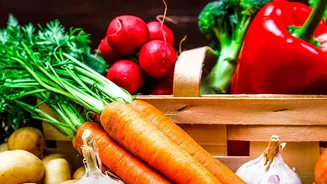







Your Kitchen Staples Are Getting Pricier
If your grocery bill has been climbing, you're not imagining it. Key vegetables that form the backbone of Indian cooking have seen significant price hikes this month. Retail inflation is on the rise, driven largely by the food sector. Tomatoes, for instance,
have seen prices jump by as much as 25-50% in some regions, with rates in cities like Jaipur touching Rs 80-100 per kg. Onions are not far behind, with prices climbing around 25% in June-July due to supply issues. Other daily-use vegetables, including leafy greens like spinach and coriander, along with staples like French beans and bottle gourd, have also registered sharp increases, with some traders reporting a 30% jump in wholesale prices. This surge is putting a tangible strain on household finances, making it difficult to stick to a fixed menu without overspending.
Why Is This Happening Now?
A combination of factors is behind this recent surge in vegetable prices. The primary driver has been the weather. An uneven monsoon, with both deficient rainfall in some areas and excessive, continuous rain in others, has disrupted farming. Heavy rains damage standing crops, make harvesting difficult, and reduce the shelf-life of produce, leading to lower supply. At the same time, extreme heatwaves earlier in the season have also impacted yields, particularly for delicate crops like tomatoes. These weather events create supply chain bottlenecks, as waterlogged roads and transportation disruptions delay the journey from farm to market. This combination of lower production and logistical hurdles means less produce reaches the mandis, inevitably pushing prices up for consumers.
Smart Swaps for Costly Vegetables
When the price of a staple like tomatoes soars, it's time to get creative in the kitchen. Instead of paying a premium, consider using substitutes that provide a similar tangy flavour. For curries and gravies, tamarind paste, kokum, or even a base of sour yogurt (dahi) can work wonders. If a recipe calls for broccoli, which is often expensive, you can easily substitute it with more affordable cauliflower or cabbage. Similarly, pricey zucchini can be swapped with bottle gourd (lauki) or sponge gourd (turai) in many dishes. Don't be afraid to experiment with dals and pulses. A hearty dal fry or masala moong dal can be a nutritious and satisfying meal that requires no vegetables at all.
Shop Smarter, Not Harder
Changing how you shop can lead to significant savings. Instead of sticking to a rigid list, be flexible and buy what's in season and locally abundant, as these items are almost always cheaper. Planning your meals for the week around seasonal produce can cut down on costs significantly. Try to buy from local vegetable markets or mandis where prices are often lower than at large supermarkets. When shopping, pay attention to unit pricing to compare the true cost of different items, rather than just the package price. While bulk buying staples like rice and flour can be economical, be cautious when buying vegetables in large quantities unless you are sure you will use them before they spoil. Avoid pre-cut and packaged vegetables, as you pay a premium for the convenience.
Reduce Waste, Maximise Value
Every vegetable that gets thrown away is wasted money. Proper storage is key to extending the life of your produce. Store leafy greens by wrapping them in paper towels to absorb excess moisture before refrigerating. Keep potatoes and onions in a cool, dark, and dry place, but store them separately as onions can cause potatoes to sprout. Tomatoes should be kept at room temperature until ripe. Reducing food waste also means getting creative with leftovers. Leftover cooked sabzi can be used as a filling for parathas or sandwiches the next day. Vegetable peels and scraps can be used to make a flavourful homemade stock for soups and curries, ensuring you extract every bit of value from your purchases.