


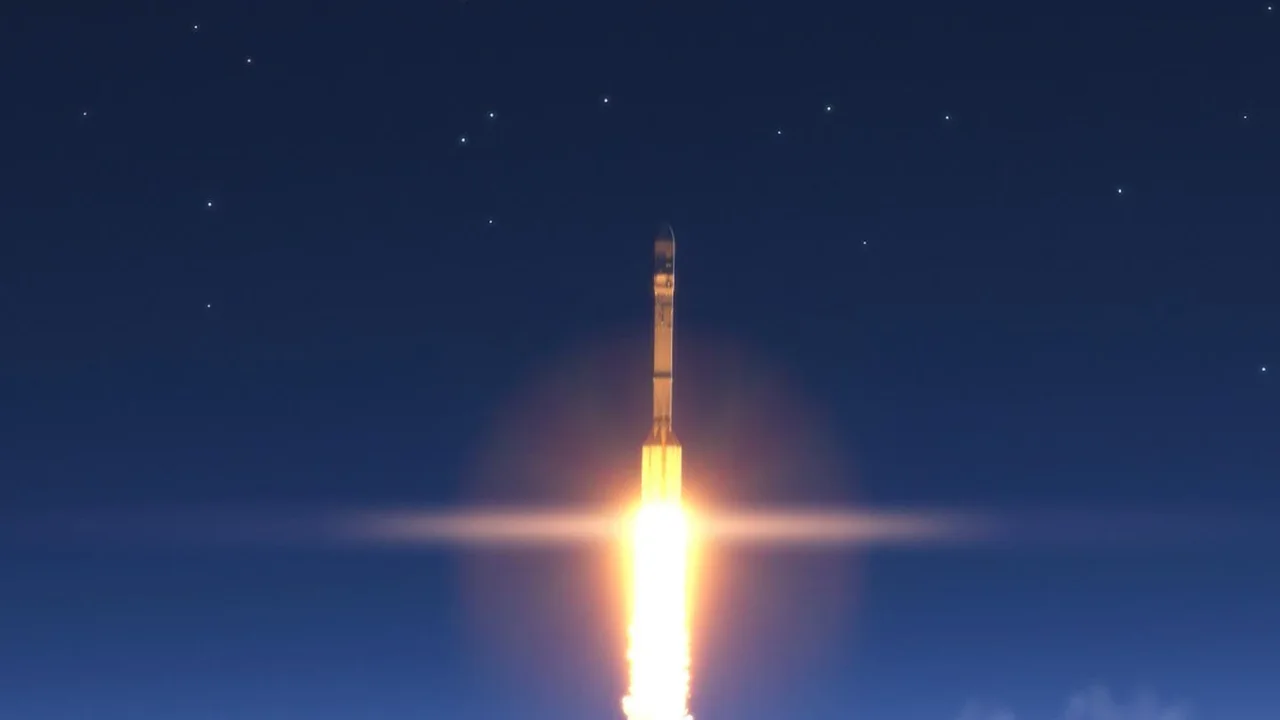

A Workhorse Mission with Historic Stakes
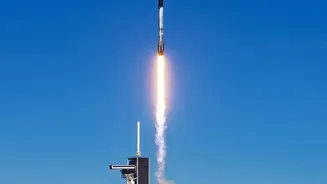
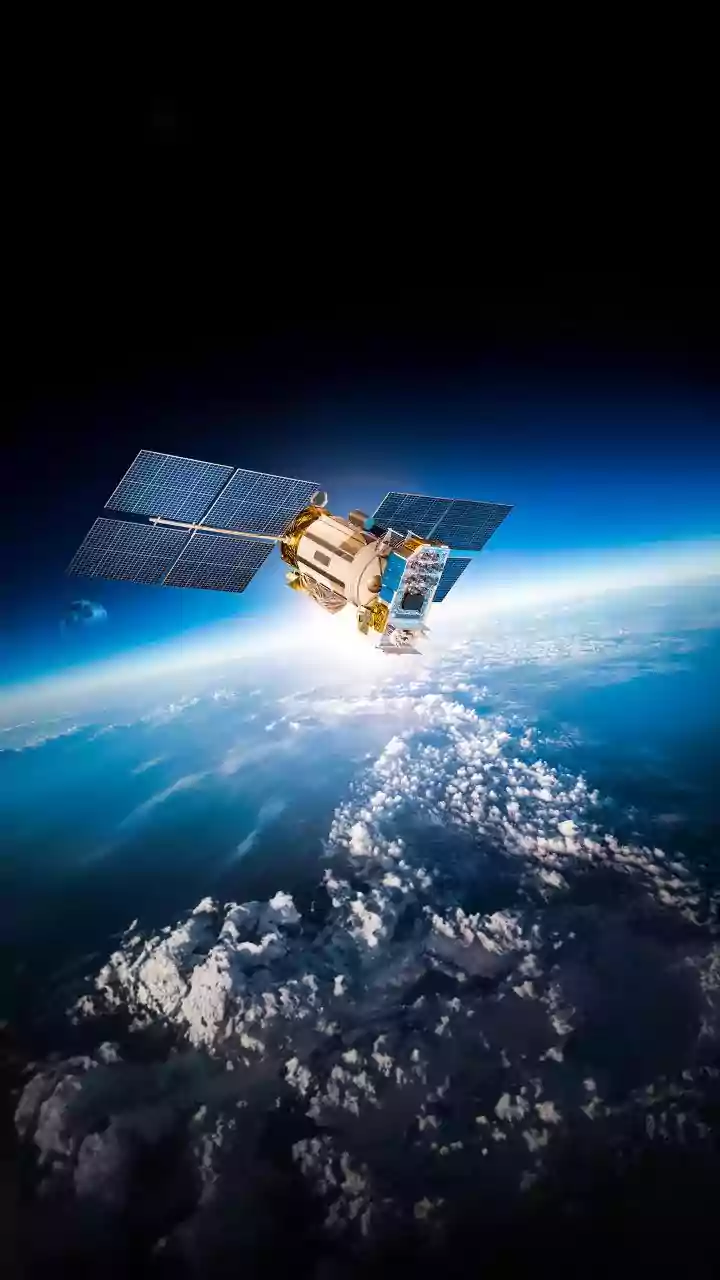
The primary objective of this fourteenth Starship flight was fundamentally a commercial one: to deliver 26 next-generation Starlink V3 satellites into low Earth orbit. These satellites are the backbone of SpaceX's rapidly growing global internet service,
and this mission marked the first time Starship has deployed operational satellites that will enter service. The new V3 satellites are significantly larger and more powerful than their predecessors, capable of providing roughly 20 times the data capacity compared to what a Falcon 9 rocket could launch. Each successful deployment is a step toward building out a massive constellation that SpaceX envisions could one day number in the tens of thousands, and Starship is the only vehicle capable of launching these new, larger satellites in large quantities. While the mission was shortened from a planned ten hours to about three, the successful payload deployment made it the first revenue-generating flight for the Starship program.
NASA's Lunar Ambitions Ride Along
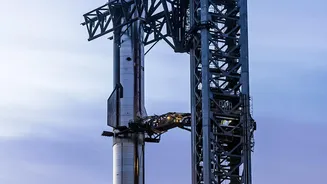
Beyond the commercial success, this flight was a critical milestone for a much different customer: NASA. The American space agency has billions of dollars and its ambitious Artemis program riding on Starship’s success. NASA selected a modified version of Starship to serve as the Human Landing System (HLS), the vehicle that will ferry astronauts from lunar orbit down to the Moon's surface for the first time since the Apollo era. Every Starship test flight, regardless of its primary payload, provides invaluable data for NASA engineers. They are scrutinizing every aspect of the vehicle's performance to validate its readiness for the immense challenge of human spaceflight to another celestial body. The pressure is immense, as NASA needs Starship to be ready for precursor missions ahead of a planned crewed landing in 2028.
Key Milestones Under the Microscope
For NASA, this mission was a high-fidelity test of several key systems. Although one of the Starship's six Raptor engines shut down prematurely during ascent, controllers determined the vehicle was healthy enough to proceed, firing another engine to push it into a stable orbit—a first for the program. This ability to assess and overcome an in-flight anomaly is a crucial demonstration of resilience. NASA teams were also closely watching the performance of the Super Heavy booster, which performed a controlled splashdown in the Gulf of Mexico, and the successful operation of Starship's payload door, which functioned like a Pez dispenser to release the satellites. This mechanism is a direct precursor to how future Starships will deploy cargo, or even open to allow astronauts to descend to the lunar surface. The flight data gathered during the three-hour mission, especially from the fiery atmospheric reentry, is vital for verifying the performance of the ship's heat shield.
The Path from Low Earth Orbit to the Moon
Successfully reaching orbit and deploying a payload are just two of many steps on the long road to the Moon. The lunar lander version of Starship will be a highly specialized vehicle, but it shares its core DNA with the one that flew this orbital mission. The Artemis missions will require a complex series of operations that have yet to be demonstrated. Chief among them is in-space cryogenic refueling. To get to the Moon, a Starship lander will need to be fully fueled in Earth orbit by multiple Starship 'tanker' flights. This orbital refueling capability is one of the most critical technologies SpaceX must perfect. While this flight did not test refueling, its success in reaching orbit and maneuvering builds the foundation for those future, more complex missions. Each successful flight, even when cut short, builds confidence and provides the real-world data needed to incrementally prove that Starship is up to the historic task of landing humans on the Moon once again.