








What Exactly Is El Niño?
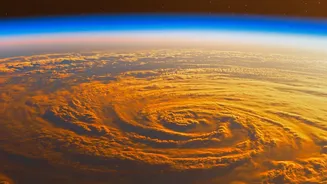
El Niño is a naturally occurring climate phenomenon characterised by the unusual warming of surface waters in the central and eastern equatorial Pacific Ocean. Think of it as a large-scale disruption of the ocean-atmosphere system. Under normal conditions,
trade winds blow from east to west, piling up warm water in the western Pacific near Asia. During an El Niño, these trade winds weaken, allowing the accumulated warm water to spread eastward, back towards the Americas. This shift in ocean heat is so massive that it alters atmospheric circulation patterns across the globe, influencing weather far and wide.
The Critical Monsoon Connection
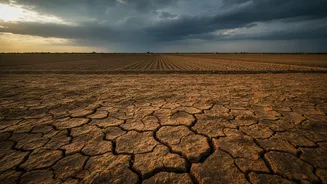
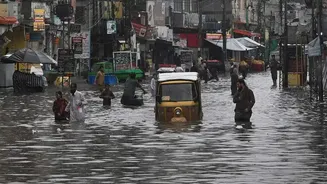
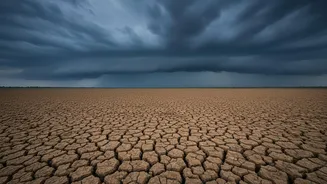
India’s southwest monsoon is a complex system, but its health is closely linked to these global circulation patterns. The engine of the monsoon relies on a strong temperature and pressure gradient that pulls moisture-laden winds from the ocean onto the subcontinent. El Niño disrupts this engine. The warming of the eastern Pacific can weaken the atmospheric circulation that typically drives moisture towards India, often resulting in suppressed rainfall during the crucial June to September season. While not every El Niño year leads to a drought in India—other factors like the Indian Ocean Dipole (IOD) can sometimes offset the impact—a strong historical correlation exists. In fact, many of India's most severe drought years have coincided with El Niño events.
The 2026 Forecast: A Growing Concern
Current forecasts for 2026 are raising alarm bells. The World Meteorological Organization (WMO) has confirmed that a strong El Niño is developing and expected to intensify through the August-October season. Global forecast models project that this event could become one of the strongest on record. The India Meteorological Department (IMD) has aligned with this view, forecasting that monsoon rainfall for the country as a whole will likely be below normal. As of early August 2026, cumulative seasonal rainfall was already 12% below the long-period average, with the IMD attributing this directly to the strengthening El Niño conditions. The forecast for the remainder of the season also suggests below-normal rainfall.
Why It Matters: The Ripple Effect on India
A weakened monsoon is far more than a weather story; it's a critical economic issue. With nearly half of India's farmland being rain-fed, the performance of the monsoon directly impacts the Kharif sowing season for vital crops like rice, pulses, and oilseeds. A rainfall deficit can lead to lower crop yields, which in turn hurts farmers' incomes and can reduce rural demand for goods and services. This agricultural shock quickly ripples through the wider economy. Lower output can trigger food inflation, making everyday essentials like vegetables and cereals more expensive for every household. The Reserve Bank of India has already cited El Niño as a key risk while adjusting its inflation projections.
Beyond the Farm: Water and Power
The impact extends beyond agriculture. The monsoon is essential for replenishing India's reservoirs, which are vital for drinking water, sanitation, and hydroelectric power generation. A significant deficit can lead to water stress in major cities and put a strain on power grids. Furthermore, El Niño years are often associated with higher-than-average temperatures and more intense heatwaves. This not only poses health risks but also increases the demand for electricity for cooling, further pressuring energy supplies precisely when hydroelectric output might be lower. This combination of agricultural distress, potential inflation, and strain on water and energy resources makes El Niño a formidable challenge for the nation.