



A Manhattan-Sized Break
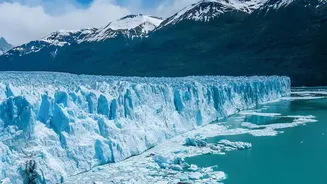
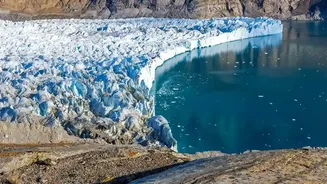
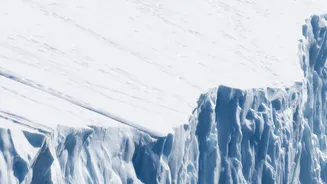
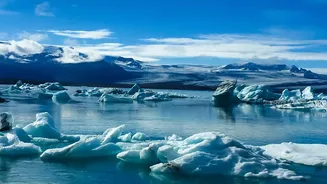
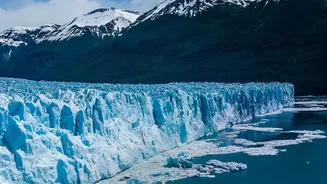
On August 4, 2026, satellite imagery confirmed that a massive piece of ice, measuring approximately 76 square kilometres, had detached from the floating ice tongue of the Petermann Glacier in northwest Greenland. This enormous block of ice, estimated
to be up to 150 metres thick, is the largest to calve from this specific glacier since a similar event in 2012 and the most significant in the entire Arctic since 2020. Scientists, who had been monitoring growing cracks in the glacier for years, were anticipating the break. The new 'ice island' is now drifting into the Nares Strait, where it will be tracked by services like Environment and Climate Change Canada to monitor potential risks to shipping routes.
The Natural Rhythm of Ice
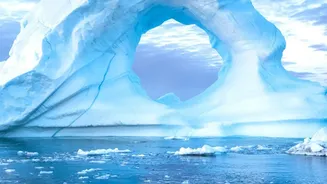
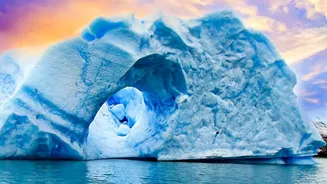
It is important to understand that iceberg calving is a normal, cyclical process for glaciers that meet the ocean. Glaciers are rivers of ice, constantly flowing downhill from areas of snow accumulation. When they reach the sea, pieces inevitably break off. This process, in a stable climate, helps balance the ice sheet, with calving and melting offsetting the mass gained from snowfall further inland. Petermann Glacier, for instance, has a well-documented history of large calving events, with major breaks recorded in 2010 and 2012. So, in isolation, the sight of a large iceberg is not necessarily a sign of immediate catastrophe; it is part of a glacier's life cycle.
The Alarming Acceleration
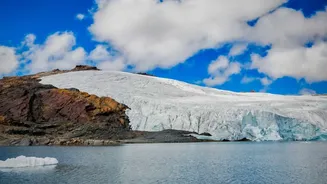
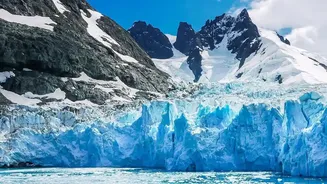
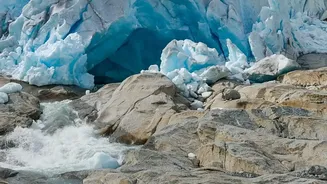
The real cause for concern among scientists is not the act of calving itself, but the increasing frequency and the underlying causes. Greenland is currently losing ice seven times faster than it was in the 1990s. The island's ice sheet has been losing more mass than it gains from snowfall for nearly three decades straight. This accelerated loss is driven by two main factors: warmer air temperatures causing more surface melt, and warmer ocean waters melting the glaciers from below. This underwater melting is particularly destructive, as it weakens the floating ice tongues that act as buttresses, holding back the land-based ice. As these supports give way, the flow of glaciers like Jakobshavn Isbræ, another of Greenland's major glaciers, has dramatically sped up in recent decades, dumping more ice into the ocean.
Why Greenland Matters Globally
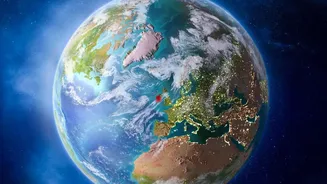
What happens in Greenland does not stay in Greenland. Its ice sheet is the single largest contributor to rising sea levels worldwide. Unlike melting sea ice, which is already in the water, melting land-based ice sheets add new water to the oceans. Scientists estimate that between 2002 and 2023, Greenland shed an average of 270 gigatons of ice per year, contributing about 0.8 millimetres annually to global sea level rise. If the entire Greenland ice sheet were to melt, global sea levels would rise by over 7 metres, or about 23 feet. This has profound implications for coastal communities everywhere, including in India, where millions of people live in low-lying areas vulnerable to increased flooding, coastal erosion, and more intense storm surges.