






What Am I Actually Breathing?
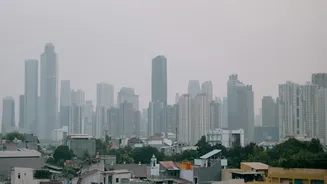
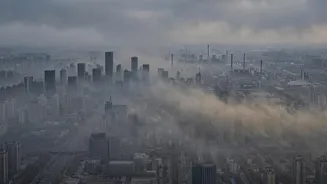
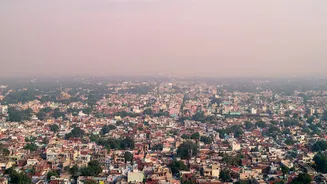
The thick smog that characterizes Delhi's winter is a toxic cocktail of pollutants. The most dangerous component is 'particulate matter 2.5' or PM2.5. These are microscopic particles—30 times smaller than the width of a human hair—released from vehicle
exhaust, industrial emissions, construction dust, and crop burning. Because of their minuscule size, they can bypass the body's natural defences, travelling deep into the lungs and even entering the bloodstream. The air also contains other harmful agents like nitrogen dioxide (NO₂) and carcinogenic chemicals such as benzene and benzo-a-pyrene, which are byproducts of fuel combustion and waste burning. As of late October 2026, Delhi's air quality has already deteriorated into the 'poor' category, prompting authorities to implement initial pollution control measures.
The Undeniable Link Between Pollution And Cancer
The science is now settled. In 2013, the International Agency for Research on Cancer (IARC), the cancer arm of the World Health Organization, officially classified outdoor air pollution, and specifically PM2.5, as a 'Group 1 carcinogen'. This is the highest-risk category, placing polluted air in the same class as tobacco smoke and asbestos. This classification is not based on theory but on overwhelming evidence from human studies. The data shows a direct dose-response relationship: for every 10 micrograms per cubic metre (μg/m³) increase in long-term PM2.5 exposure, the risk of developing lung cancer rises significantly. Considering Delhi's annual average PM2.5 levels are often many times higher than WHO safety guidelines, the risk for its residents is substantial.
How Dirty Air Triggers Cancer In The Lungs
For years, it was unclear exactly how pollution caused cancer. Recent breakthroughs have revealed the biological mechanism. When PM2.5 particles lodge deep in the lungs, they don't just sit there; they trigger a chronic inflammatory response. This persistent inflammation can damage the DNA in lung cells. Crucially, research has shown that air pollution can 'wake up' dormant, pre-existing mutations in healthy lung cells, particularly those involving a gene called EGFR, which is common in lung cancer among non-smokers. The pollution-driven inflammation creates an environment that encourages these mutated cells to proliferate and turn into a full-blown tumour. Essentially, the pollution acts as a promoter for cancer that might have otherwise remained inactive.
A Rising Tide of Cancer in Non-Smokers
Perhaps the most alarming trend witnessed by doctors in India is the sharp rise in lung cancer among people who have never smoked. In India, some reports suggest that 40-50% of lung cancer cases are now found in never-smokers, with the proportion being even higher among women. This is a dramatic shift from a few decades ago when lung cancer was almost exclusively seen as a smoker's disease. This shift directly correlates with exposure to high levels of urban air pollution. Studies have found genetic evidence showing that breathing polluted air can cause DNA damage patterns historically linked only to tobacco. This makes it clear that for many residents of cities like Delhi, the environment itself has become a primary risk factor.
Beyond Lung Cancer: A Systemic Threat
While the link to lung cancer is the most stark, the health impacts of air pollution are not confined to the lungs. The same fine particles that trigger cancer are also responsible for a host of other serious conditions. Because PM2.5 can enter the bloodstream, it causes systemic inflammation that affects the entire body. Long-term exposure is a major risk factor for cardiovascular diseases, increasing the likelihood of heart attacks and strokes. It is also linked to chronic obstructive pulmonary disease (COPD), asthma, and even dementia. This makes air pollution one of the single largest environmental threats to human health in India today.