





What Is a Fire-Generated Storm?
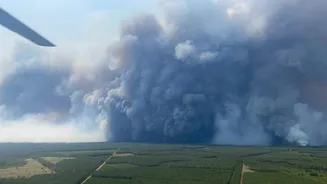
When a wildfire burns with enough intensity, it can create a phenomenon known as a pyrocumulonimbus cloud, or pyroCb. Think of it as a thunderstorm born from fire. The immense heat from the blaze forces a column of smoke, ash, and moisture to shoot high
into the atmosphere. As this superheated air rises, it cools, and the water vapor condenses around ash particles to form a massive, dark cloud. Above the freezing level, collisions between ice crystals separate electrical charges, just like in a regular thunderstorm, creating the potential for lightning. This process effectively turns the wildfire into its own volatile weather-making engine, operating independently of the surrounding weather patterns.
France's Unprecedented Event
The recent blaze in France’s Gironde region, near Bordeaux, produced what fire officials are calling the country's first-ever recorded pyrocumulonimbus event. The fire, which has burned an area four times the size of Paris and forced the evacuation of over 220,000 people, became so powerful that it generated the massive storm cloud. The fire erupted near Saumos on July 22 and, fueled by soaring temperatures and drought-stricken forests, its intensity created the perfect conditions for the firestorm to form. Officials noted that while these fire-induced storms have been seen in the more extreme fires of Australia and North America, their appearance in Europe is rare and deeply concerning.
A Nightmare for Firefighters
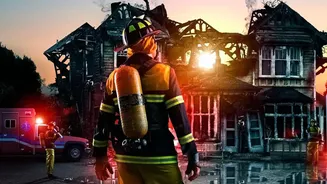
For the more than 2,200 firefighters on the ground, the pyrocumulonimbus cloud presented a complex and life-threatening set of new hazards. Instead of offering cooling rain, the storm produced violent and erratic winds that fanned the flames in unpredictable directions, causing the fire to spread faster and breach containment lines. Furthermore, the cloud generated its own lightning, which struck the dry landscape and ignited new fires far from the original blaze, in some cases up to 15 kilometers away. This creates a dangerous feedback loop: the fire creates a storm, and the storm creates more fire. Crews were forced to contend not just with a moving fire front, but with a weather system that was actively working against them, making any forward progress incredibly difficult and perilous.
A Sign of a Worsening Climate
The appearance of a fire-generated thunderstorm in France is more than just a meteorological curiosity; it is a stark indicator of a worsening global climate crisis. Scientists have warned that as the planet warms, heatwaves become more frequent and intense, and droughts become more severe. These conditions create landscapes that are primed to burn more intensely than ever before. The result is the rise of megafires powerful enough to create their own weather. What was once an exceptionally rare phenomenon is becoming more common, from California to Australia and now to France. This event highlights the escalating challenge facing emergency services worldwide, as conventional firefighting tactics are often insufficient against fires that can influence the atmosphere and defy prediction.