



The Vibe: Electric Buzz vs. Bohemian Calm
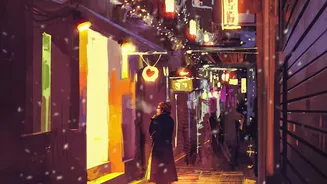
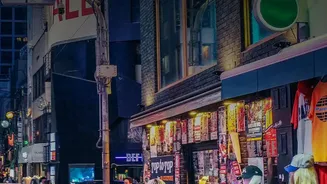
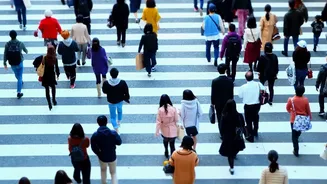
Shibuya’s energy is legendary and, for many, non-negotiable. It’s a sensory overload of neon, giant screens, and a perpetual human tide that defines the city's futuristic image. While exciting, it can be overwhelming. Shimokitazawa, or 'Shimokita' to
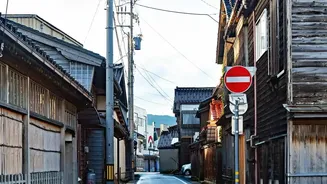
locals, operates on a different frequency. Just a short train ride away, the intensity drops significantly. This neighborhood is characterized by a laid-back, bohemian atmosphere. Its narrow, pedestrian-friendly streets discourage car traffic, inviting you to wander aimlessly, explore tiny laneways, and simply breathe. The vibe is less about overwhelming spectacle and more about creative, human-scale energy.
The Shopping: Global Brands vs. Vintage Treasures
Shibuya is a shopper’s paradise, dominated by towering department stores, international flagship stores, and the latest trends. It’s where you go for big names and current-season fashion. Shimokitazawa offers a different kind of retail therapy: the thrill of the hunt. It is arguably Tokyo’s premier destination for vintage and second-hand shopping, with over 200 thrift stores packed into its streets. Shops like New York Joe Exchange, housed in a former public bathhouse, and the curated racks of Flamingo and Chicago, offer everything from affordable finds to rare designer pieces. It’s a neighborhood built for discovering one-of-a-kind items with history, rather than just buying what's new.
The Food Scene: Crowded Chains vs. Cozy Cafes
In Shibuya, you’ll find an endless array of dining options, from bustling chain restaurants to high-end establishments and themed cafes. Finding a seat without a wait can often be part of the challenge. Shimokitazawa’s culinary scene is more intimate and independent. It’s a haven for cozy, distinctive cafes, many with unique, hand-painted storefronts. You can spend an afternoon sipping specialty coffee at a place like Bear Pond Espresso or exploring the area’s famous curry restaurants. The evenings come alive with small, inviting izakayas and bars that feel more like community hangouts than crowded tourist spots, offering a more personal and relaxed dining experience.
The Culture: Grand Stages vs. Indie Spirit
Both neighborhoods are cultural hubs, but they express it differently. Shibuya’s entertainment is often grand-scale: massive concert venues like the Womb, multi-story karaoke complexes, and blockbuster cinemas. Shimokitazawa, on the other hand, is the heart of Tokyo's independent arts scene. It’s famous for its small, experimental theaters like the historic Honda Gekijo, where you can catch a play from an up-and-coming director. The area is also dense with record stores like Jet Set and Disk Union, and live music venues that champion underground and indie artists. It’s a culture you discover and participate in, rather than just consume.