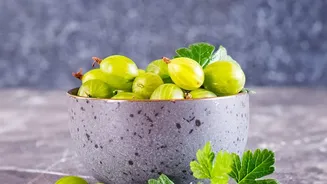





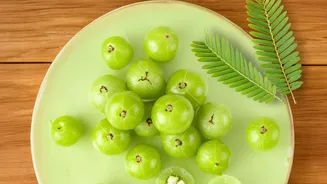

The Classic Sweet Preserve: Amla Murabba
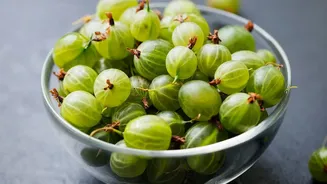
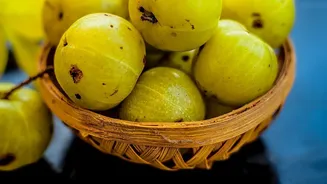
One of the most beloved ways to enjoy amla is in the form of murabba, a sweet preserve that transforms the fruit’s sharp taste. The process typically involves boiling or steaming whole amlas until they are tender, then pricking them and simmering them in a fragrant
sugar or jaggery syrup. Spices like cardamom, saffron, and cinnamon are often added, infusing the gooseberries with warmth and complexity. This method masterfully balances amla’s inherent sourness with sweetness, turning it into a translucent, jam-like delicacy that can be enjoyed on its own or as a topping.
The Perfect Pairing: Sweet and Spicy Chutney
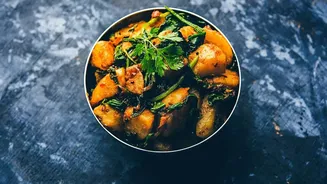
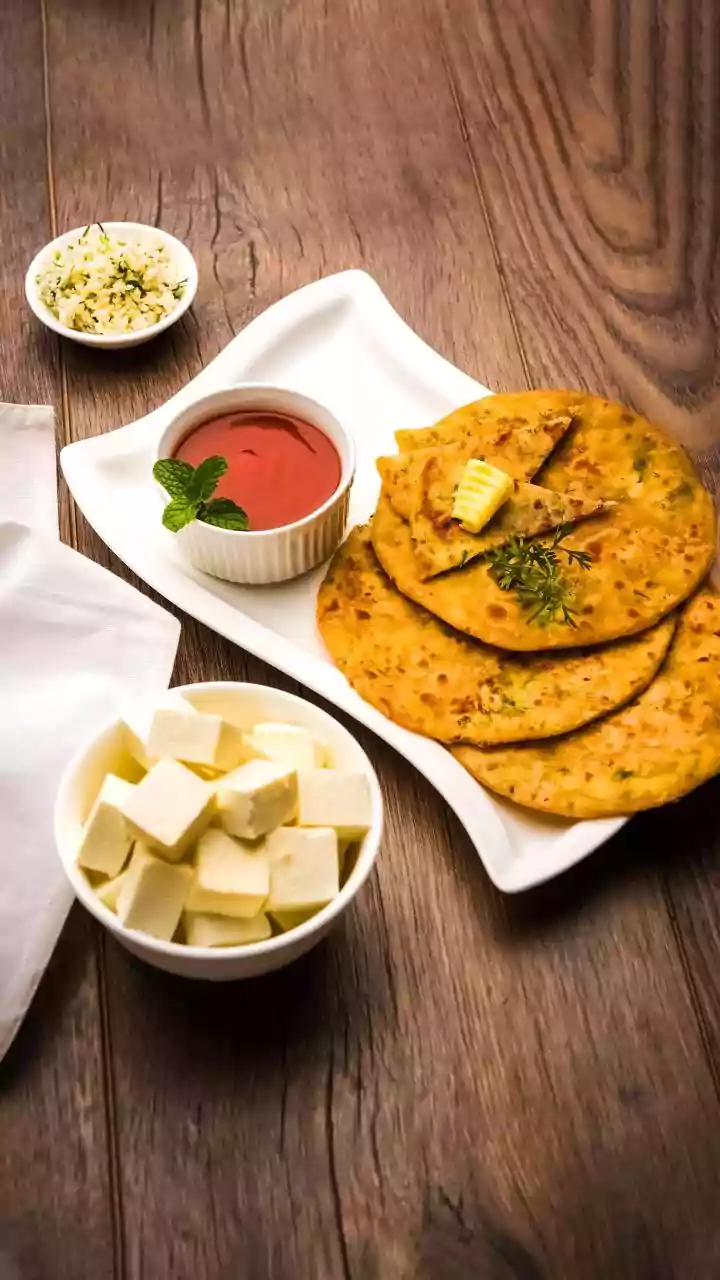
Amla's assertive flavour makes it an ideal candidate for chutneys and relishes, where its sour notes can be tempered by a combination of sweet and spicy elements. An amla chutney, or 'launji', often involves cooking boiled or grated amla with jaggery, which provides a rustic sweetness that complements the fruit perfectly. The dish is then elevated with a tempering of spices like fennel seeds, mustard seeds, cumin, and asafoetida (hing), while a touch of red chilli powder adds a welcome kick. The result is a lip-smacking condiment that pairs wonderfully with parathas, rice, and other Indian meals.
A Tangy Twist in Savoury Dishes
Beyond preserves and condiments, amla can be a surprising and delightful addition to savoury main courses. In many households, amla is used to impart a natural tang to dals and curries, much like tamarind or tomato. To do this, a few whole amlas can be pressure-cooked along with lentils. Once cooked, the softened fruit is mashed and mixed into the dal, infusing the entire dish with a subtle, complex sourness that brightens the other spices. It can also be added to rice dishes, where its tartness cuts through the richness and adds a refreshing dimension.
The Time-Honoured Amla Achar
Pickling is a traditional method of preserving amla, creating a condiment that can last for months. Amla achar, or pickle, comes in many regional variations but generally involves preserving the fruit in oil with a potent mix of spices. The process often starts by steaming or boiling the amla to soften it. It is then combined with salt, turmeric, red chilli powder, and a ground mixture of mustard seeds and fenugreek seeds. The pickle is left to mature for several days, allowing the flavours to meld and deepen, resulting in a powerfully spicy and sour condiment that is a staple in many Indian homes.
Refreshing Juices and Drinks
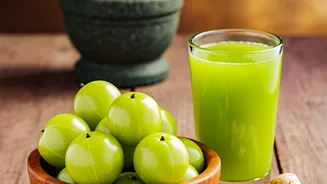
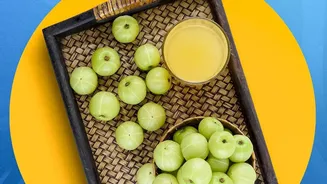
While eating raw amla is common, juicing it opens up another avenue for consumption. Amla juice on its own can be quite astringent, but it serves as an excellent base for a variety of refreshing beverages. It can be blended with other fruit juices like orange or pomegranate to mellow its intensity. For a more traditional take, amla juice is often mixed with ginger juice, mint leaves, black salt, and a hint of sweetener to create a flavourful and revitalizing drink that is both healthy and palatable.