





More Than a Monument
Unlike World Heritage sites, which are physical places like monuments or national parks, UNESCO's Intangible Cultural Heritage list celebrates living traditions. This includes rituals, performing arts, social practices, and traditional craftsmanship that
are passed down through generations. Kolkata's Durga Puja was a perfect fit. The recognition isn't for a single pandal or idol but for the entire ecosystem of practices: the knowledge of the artisans, the community-led organisation, the rituals, and the public art that collectively bring the festival to life each year. It was the first festival in Asia to receive this distinction, acknowledging it as a powerful cultural phenomenon.
Artistry Born from Clay
At the heart of the festival are the idol makers of Kumartuli, a historic potters' quarter in North Kolkata. For months, these artisans, many from families who have practised the craft for generations, meticulously shape idols of Goddess Durga and her family from clay, straw, and bamboo. This process begins with building the frame and gradually layering clay to sculpt the divine forms. The most significant moment is 'Chokkhu Daan', the painting of the goddess's eyes, a ritual believed to infuse the idol with life. These idols, which are exported to Bengali communities worldwide, are not just religious icons but masterpieces of a living artistic tradition.
A City as a Canvas
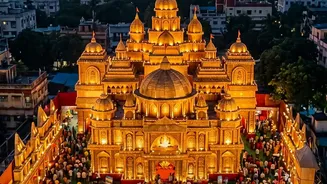
During the festival, Kolkata's streets are transformed into a massive, open-air art exhibition. Neighbourhoods compete to create the most innovative and elaborate 'pandals'—temporary architectural installations that house the idols. These are not mere tents but sprawling thematic structures that can resemble anything from a historical temple to a futuristic landscape. This large-scale public performance of religion and art was a key reason for the UNESCO tag. The festival provides a platform for collaborative artists and designers to showcase their work to millions, turning the entire city into a gallery accessible to all.
The Spirit of 'Sarbojanin' (For Everyone)
While rooted in Hindu mythology—celebrating Goddess Durga's victory over the demon Mahishasur—the festival's modern form is profoundly inclusive. The concept of the 'sarbojanin' or community puja means that it transcends the divides of class, caste, and religion. Crowds of people from all walks of life engage in 'pandal hopping' to admire the art and soak in the festive atmosphere. This inclusivity was specifically commended by UNESCO, which noted the festival's role in involving marginalised groups and women, truly making it a celebration 'for all people'.
What the Recognition Means Today
The UNESCO inscription has done more than just bestow prestige; it has reinforced the festival's global significance and spurred new initiatives. It has brought increased attention to the artisan economy, which a 2019 study estimated contributes over ₹32,000 crore to West Bengal's GDP. Furthermore, it has inspired efforts to make the celebrations even more inclusive. In partnership with the UN, new guidelines have been introduced to improve accessibility at pandals with features like ramps, Braille signage, and sign language interpretation, ensuring people with disabilities, the elderly, and others can fully participate.