




First, What Are Food Additives?
Food additives are substances added to products during processing to achieve a specific goal. This could be anything from preventing the food from spoiling to improving its taste, appearance, or feel in your mouth. They have been used for centuries; even adding
salt to preserve meat is a form of using additives. In modern food production, they ensure that products remain safe and consistent from the factory to your kitchen. In India, the Food Safety and Standards Authority of India (FSSAI) is the regulatory body that sets strict standards for which additives can be used, in what quantities, and in which foods, ensuring they are safe for consumption. Only FSSAI-approved additives are permitted in food products sold across the country.
Crafting the Perfect Texture
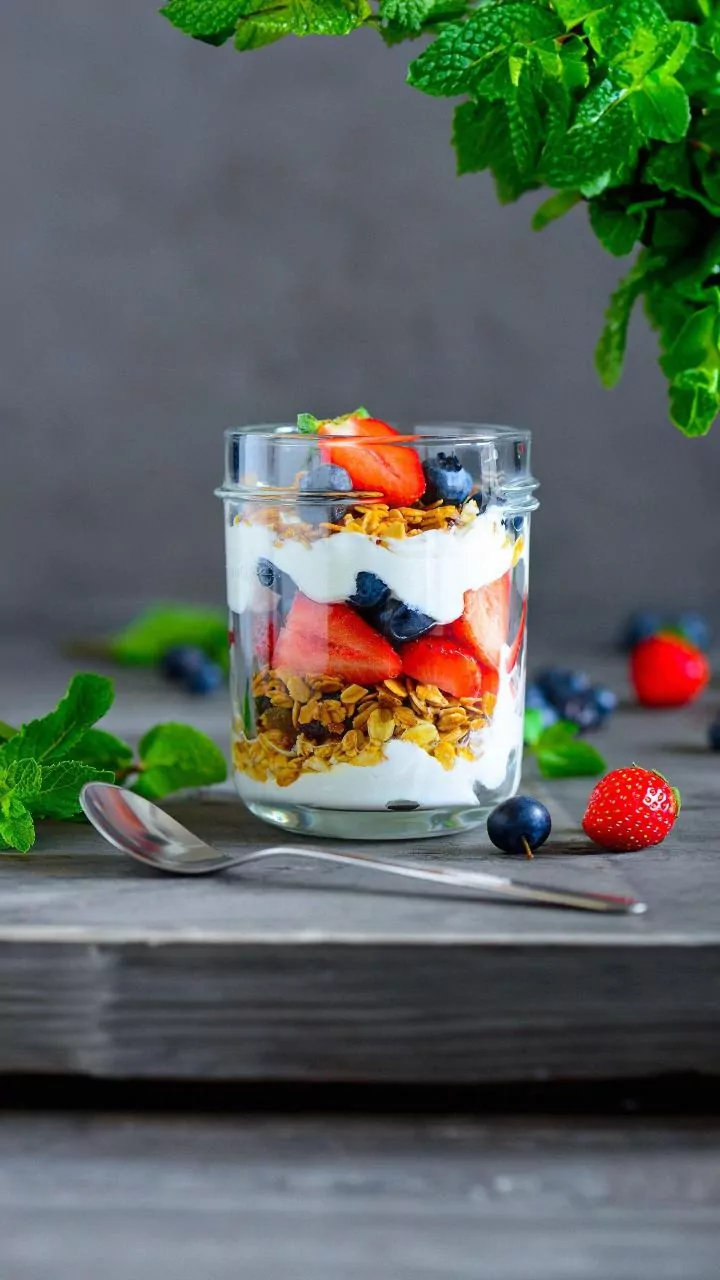
Texture is a huge part of why we enjoy certain foods. Think of the creaminess of ice cream or the smoothness of a sauce. Additives are often responsible for creating and maintaining that desired consistency. Emulsifiers, like lecithin (found in soy and eggs), help to mix ingredients that don't naturally combine, such as oil and water. This is essential for products like mayonnaise and salad dressings. Stabilisers and thickeners, such as guar gum or pectin, give products a uniform, smooth texture and prevent them from separating. In ice cream, they work together with emulsifiers to prevent large ice crystals from forming, ensuring a creamy scoop every time. Without them, many of our favourite treats would be an unappealing, separated mess.
Maintaining a Vibrant Colour
We often 'eat with our eyes', and the colour of food can greatly influence our perception of its taste and quality. Food processing, such as canning or baking, as well as exposure to light and air, can cause foods to lose their natural colour. Additives are used to restore this colour, enhance a naturally occurring one, or provide colour to otherwise colourless foods to meet consumer expectations. These can be natural colours derived from sources like turmeric (yellow) or dehydrated beets (reddish), or synthetic colours that provide intense and uniform hues. The FSSAI permits a limited list of both natural and synthetic colours, ensuring that any colourant used is tested and safe. This helps ensure that the strawberry jam looks red and inviting, and the peas in a packaged meal retain their green vibrancy.
Extending Freshness and Shelf Life
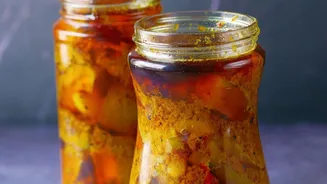
One of the most important roles of additives is preservation. Preservatives help keep food safe and fresh for longer, reducing spoilage and the risk of foodborne illnesses. They do this in two main ways. First, antimicrobials like benzoates or propionates prevent the growth of harmful bacteria, mould, and yeast. This is why products like bread, jams, and juices can sit on a shelf or in your pantry without spoiling quickly. Second, antioxidants like ascorbic acid (Vitamin C) and BHT prevent fats and oils from going rancid and stop fresh-cut fruits from browning. This not only maintains the quality and taste but also significantly reduces food waste by allowing products to be transported, stored, and sold over a longer period.
The Verdict on Additives
The word 'additives' can sometimes sound alarming, but these ingredients are key to the convenience, safety, and quality of our modern food supply. They make it possible to enjoy a wide variety of foods year-round, ensuring they are safe to eat, look appealing, and have the right texture. While most people consume approved additives without any issue, being an informed consumer is always a good idea. Reading labels and understanding the 'why' behind common ingredients can empower you to make choices that feel right for you and your family. Rather than being a source of fear, the ingredient list can be a source of information, telling the story of how your food was made to be safer, last longer, and taste better.