
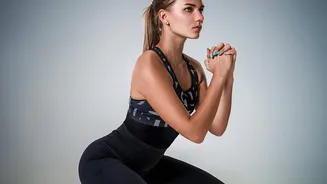
Redefining the 'Core'
In the world of Pilates, the “core” is much more than the superficial abdominal muscles that create a 'six-pack'. It’s a complex system of deep stabilizing muscles often called the “powerhouse.” This includes the transverse abdominis (your body's natural
corset), the muscles of the pelvic floor, the diaphragm (your primary breathing muscle), and deep spinal muscles like the multifidus. This group of muscles forms a supportive cylinder around your midsection, protecting your internal organs and spine. Joseph Pilates, the method's creator, believed that all energy for movement should begin from this powerhouse and flow outward to the limbs. This principle of “centering” is fundamental to the practice.
The Principles of Mindful Control
Pilates achieves its results through a set of guiding principles that distinguish it from many other forms of exercise. These principles include concentration, control, centering, precision, and breath. Unlike workouts that rely on momentum or completing a high number of repetitions, Pilates demands conscious and deliberate muscular control in every single movement. This intense focus, or concentration, builds a powerful mind-body connection, enhancing your awareness of how your body moves. Precision is key; each exercise has a specific purpose and must be performed with exactness to target the correct muscles and avoid injury. Coupled with controlled breathing to oxygenate the muscles and release tension, these principles transform exercise into a mindful practice.
Activating the Inner Musculature
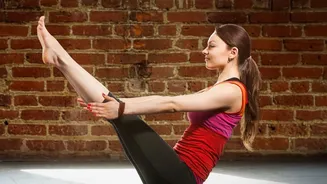
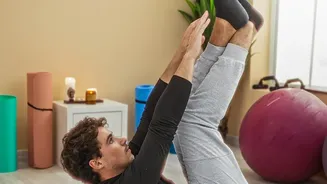
While traditional strength training is effective for building muscle mass, Pilates excels at conditioning the deeper, supporting muscles that are crucial for stability. Many Pilates exercises involve slow, deliberate movements that make it impossible to cheat using momentum. This forces the engagement of the deep core muscles to stabilize the trunk while the limbs are in motion. Think of an exercise like the 'Hundred' or the 'Roll Up'. Success isn't about speed, but about maintaining a stable pelvis and a supported spine by activating those deep abdominal and back muscles. This approach is not necessarily about lifting heavy weights, but about mastering your own bodyweight and light resistance to foster deep, functional strength.
The Integrated Support System
True core control extends beyond the abdominals. Pilates methodically strengthens the entire support system, including the muscles of the lower back, hips, and glutes. Many people suffer from back pain or poor posture because of muscular imbalances—for instance, weak glutes and tight hip flexors. Pilates works to create balanced muscular strength on both sides of the body and between opposing muscle groups. By strengthening the hips and glutes, you create a stable base for your spine, improving alignment and reducing strain on your lower back. This holistic approach ensures that no single muscle group is overworked, which is a key factor in preventing musculoskeletal injuries.
Benefits Beyond the Mat
The control developed in a Pilates class translates directly into daily life. A strong, stable core improves your posture, allowing you to sit and stand taller with less strain. It enhances balance and coordination, making everyday movements feel more fluid and efficient. This functional strength can also reduce the risk of injury during other athletic activities and help rehabilitate existing joint and spinal issues. By building a body that moves with intention and awareness, you're not just getting stronger; you're developing a more resilient, capable, and pain-free way of moving through the world.