

An Almost-Total Spectacle
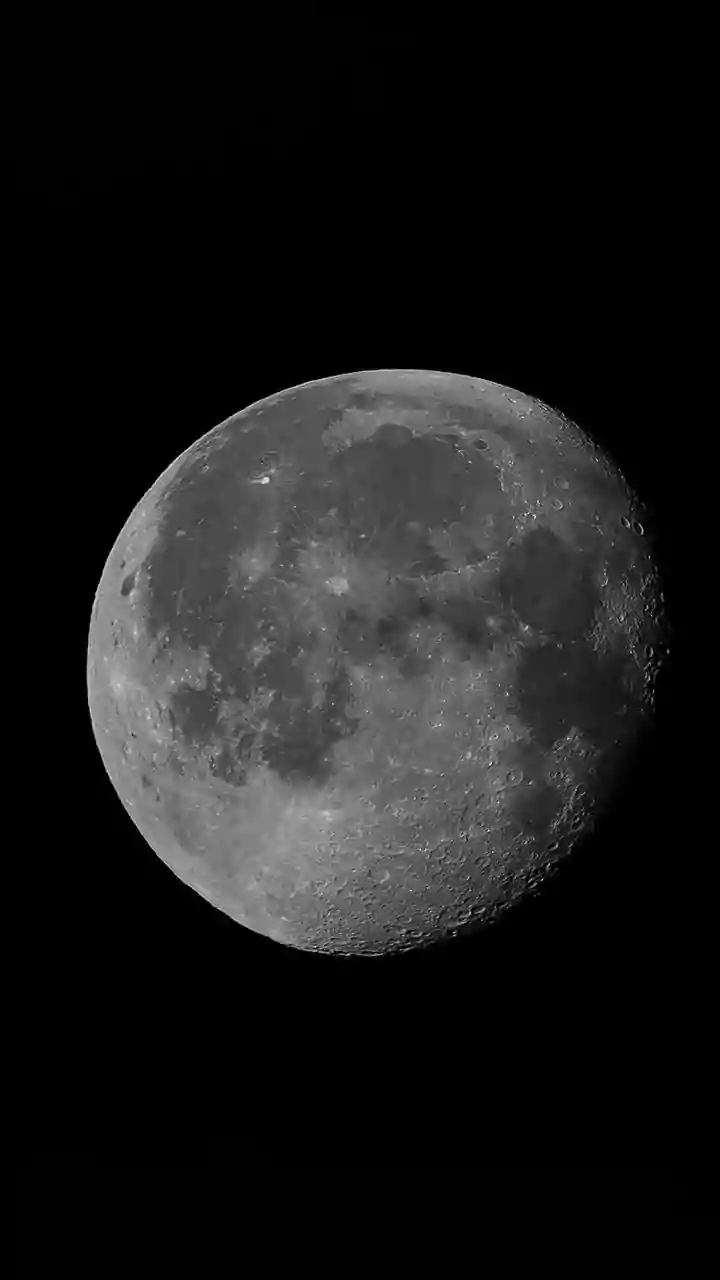
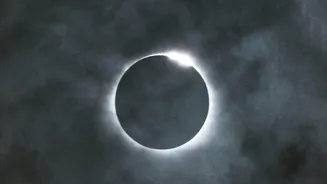
The upcoming lunar event on August 28 is a particularly special one. It’s a deep partial lunar eclipse, which means the Moon will pass almost entirely through the darkest part of Earth's shadow, known as the umbra. At its peak, about 96% of the Moon's
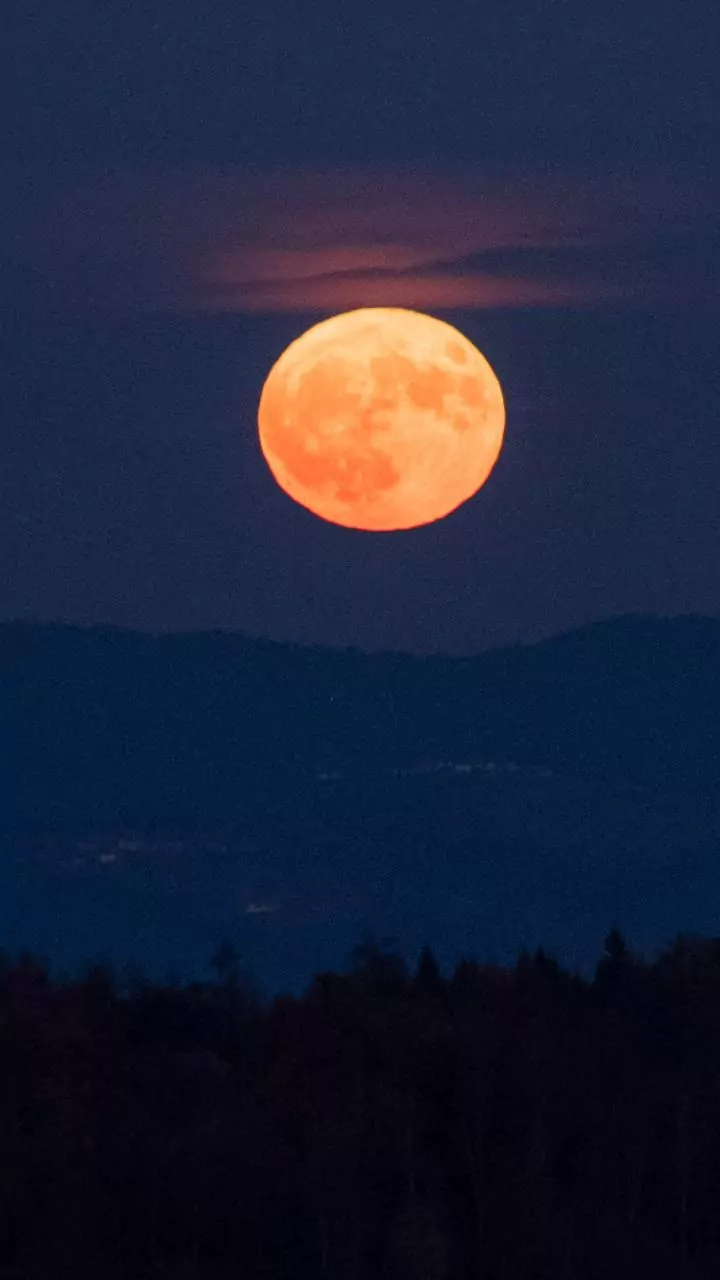
surface will be obscured. For viewers in the right locations, this will cause the eclipsed portion of the Moon to glow with a reddish or coppery tint, a phenomenon often nicknamed a 'Blood Moon'. This happens because sunlight filters through Earth's atmosphere, which scatters blue light and bends red light toward the Moon. Though not a total eclipse, it will be a visually stunning event for those who can see it.
The Science of Invisibility
The reason India will miss this spectacular show is simple: timing. A celestial event is only visible if it happens when the object—in this case, the Moon—is above the horizon. The peak of the lunar eclipse will occur at approximately 9:43 AM Indian Standard Time (IST). At this hour, it will be broad daylight across the entire country, and the Moon will be far below the horizon. Essentially, the eclipse will be happening on the other side of the world. Because the eclipse is not visible from India, traditional astrological beliefs like the Sutak Kaal period, which is normally observed during an eclipse, will not apply. The festival of Raksha Bandhan, which falls on the same day, can be celebrated without any eclipse-related restrictions.
So, Who Gets the Best View?
While India sits this one out, sky-watchers across North and South America will have front-row seats to the entire event, which occurs during their night-time hours. Much of Europe and Africa will also be able to witness the eclipse, catching it during their early morning hours as the Moon sets. Live streams from space agencies and astronomy groups will likely be available online, offering a digital window for those in India who don't want to miss the sight entirely.
A Look at India's Eclipse Calendar
The good news for Indian stargazers is that the celestial calendar isn't empty. In fact, 2026 itself offers a significant lunar event for the country. A total lunar eclipse occurred earlier in the year on March 3, 2026, which was visible across Asia, including India. Looking ahead, the next lunar eclipse visible from the region will be a penumbral one on the night of February 20-21, 2027. During a penumbral eclipse, the Moon only passes through Earth's faint outer shadow, causing a subtle dimming that can be difficult to notice but is still a noteworthy event for dedicated observers.
The Next Big Event: A Date for Your Diary
Perhaps the most exciting upcoming event for Indian sky-watchers is the partial solar eclipse on August 2, 2027. While it will be a breathtaking total solar eclipse over parts of North Africa and the Middle East, it will be visible across all of India as a significant partial eclipse. In cities like Delhi, the Moon will cover a substantial portion of the Sun, creating a dramatic crescent during the morning hours. This will be the most significant solar event for India in several years and is one to mark on your calendar. For those waiting for the ultimate prize—a total solar eclipse where day turns to darkness—the wait will be a bit longer. The next total solar eclipse visible from India will not occur until March 20, 2034.