





1. Kedarnath (2013): The Peril of Unchecked Construction
The 2013 flash floods in Uttarakhand were a horrifying wake-up call. Triggered by extreme rainfall, the disaster was massively amplified by human factors. Unregulated construction along riverbanks and on fragile slopes turned a natural hazard into a human catastrophe
that claimed thousands of lives. The key lesson from Kedarnath was that encroaching on river floodplains for tourism and infrastructure creates a direct path for destruction. Despite expert recommendations to respect the region's carrying capacity, the pressure for development continues, showing this lesson has been hard to learn.
2. Chamoli (2021): When Rock and Ice Collapse
The Chamoli disaster was not a typical glacial lake outburst flood (GLOF), as first suspected. Instead, a massive chunk of rock and glacier ice broke off a high peak, generating a devastating debris flow. This event revealed a different, insidious threat: climate change thawing permafrost at high altitudes, destabilising entire mountain faces. The resulting torrent of water, rock, and silt obliterated two hydropower projects in its path, highlighting the vulnerability of critical infrastructure placed in the direct line of such newly emerging, climate-driven hazards.
3. Sikkim GLOF (2023): The Cascading Dam Disaster
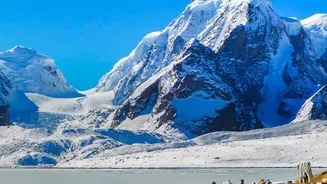
The failure of the South Lhonak glacial lake in Sikkim was a textbook example of a GLOF, a risk scientists have warned about for years. A landslide into the rapidly expanding lake triggered a tsunami-like wave that breached its natural moraine dam. The immense volume of water surged downstream, destroying the Teesta-III hydropower dam and causing a cascade of failures at other projects. This disaster underscored two critical points: first, that warming is causing glacial lakes to grow at an alarming rate, and second, that the placement of large dams downstream of these unstable lakes creates a chain reaction of risk.
4. Joshimath Subsidence (2023): A Town Sinking Under Pressure
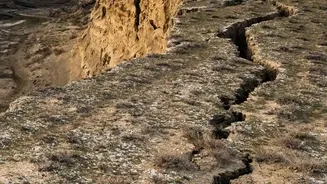
The crisis in Joshimath, where hundreds of buildings developed cracks as the ground sank, offered a slow-motion view of a disaster in the making. The town is built on ancient landslide debris, a geologically unstable foundation. Experts point to decades of unplanned construction, the obstruction of natural water drainage, and potential impacts from nearby infrastructure projects, like tunnelling, as contributing factors. Joshimath revealed that the very ground beneath rapidly expanding Himalayan towns may not be able to support the weight of unchecked development, especially as extreme rainfall further saturates the fragile slopes.
5. Himachal Pradesh Floods (2023): When Extreme Weather Meets Poor Planning
The 2023 monsoon brought unusually intense and prolonged rainfall to Himachal Pradesh, triggering widespread floods and landslides. While extreme weather was the trigger, the scale of the disaster was magnified by land-use patterns. Roads cut into steep slopes, construction on riverbanks, and widespread deforestation compromised the region's natural ability to absorb heavy rain. This event demonstrated that climate change isn't just a future threat; its impact, in the form of more intense rainfall, is already here, and it is exploiting every weakness in our existing infrastructure and planning.
6. The Uttarakhand Tunnel Collapse (2023): The Risks Beneath the Surface
The collapse of the Silkyara tunnel, which trapped 41 workers for 17 days, shifted focus from surface-level disasters to subterranean risks. Building extensive tunnels for road and rail projects through the geologically young and fragile Himalayas is fraught with challenges. These mountains are tectonically active and composed of fractured rock. Tunnelling can disturb underground water channels and destabilise weak rock strata, leading to collapses. The incident served as a stark reminder that mega-infrastructure projects in this sensitive region carry inherent, high-stakes risks that require far more rigorous geological assessment.
7. The Pattern of Recurring Landslides
Events like the devastating Malpa landslide in 1998 or the Kinnaur landslide in 2021 are not one-offs but part of a persistent pattern. The Himalayas are naturally prone to landslides due to their steep slopes and fragile geology. However, human activity is a major amplifier. Indiscriminate slope cutting for roads, unscientific dumping of debris, and deforestation all increase instability. Each landslide reveals the same lesson: when development proceeds without respecting the basic principles of mountain geology, it turns predictable hazards into deadly certainties.