





The Peak in Question
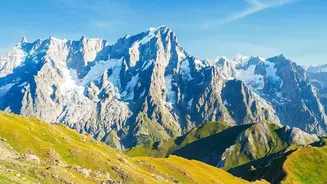
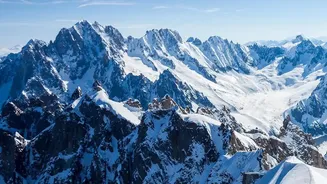
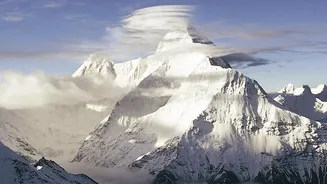
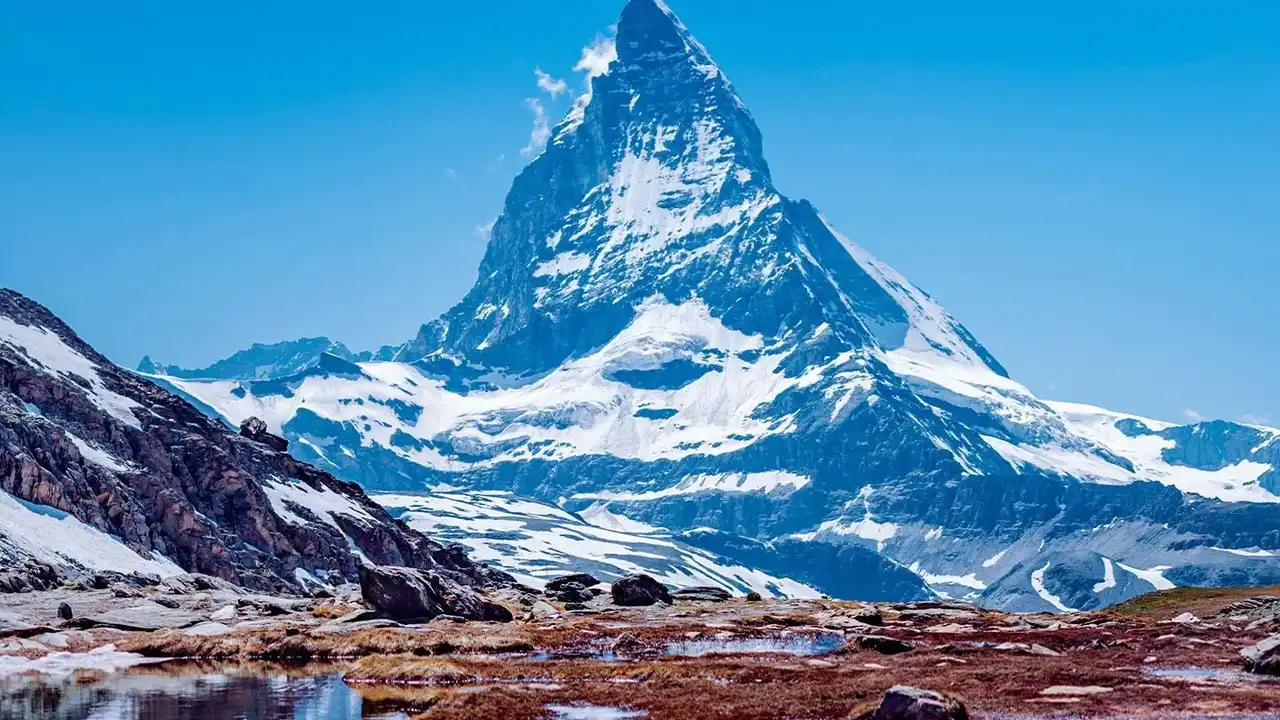
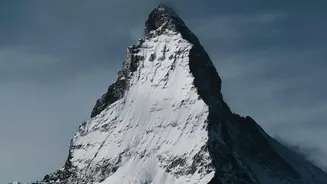
The mountain is Mont Blanc, the highest peak in the Alps. A team of expert surveyors recently clocked it at 4,807.47 metres. This is a notable increase of nearly 1.9 metres from its measurement in 2023, which was 4,805.59 metres, the lowest reading in recent memory.
These biennial measurements have been conducted since 2001 to track the summit's evolution. The expedition, led by the Haute-Savoie departmental chamber of surveyors, braved the dawn climb on September 17, hauling nearly 30 kilograms of high-tech gear to get the new figure.
A Tale of Two Summits
So, is the mountain itself growing? Not exactly. The rock summit of Mont Blanc is stable at about 4,792 metres. The official height we hear about is the measurement to the top of its thick, perennial cap of snow and ice. This icy crown can be anywhere from 15 to 20 metres thick and its depth changes from year to year. Think of it less like a solid, unmoving peak and more like a massive, frozen dune whose shape is constantly being sculpted by the elements. The summit's location can even shift; in 2009 it was 34 metres further east than it was in a 2015 measurement.
The Science of a High-Altitude Check-Up
Measuring a mountain isn't as simple as using a giant tape measure. Modern surveyors ascend with a suite of advanced tools. They use precise satellite positioning instruments, which record GPS signals that are then corrected by a network to provide centimetre-level accuracy. On the most recent expedition, a drone was used to capture over 1,300 images to build a detailed 3D model of the snow cap. The team also uses ground-penetrating radar to probe the thickness of the ice and snow, differentiating the white cap from the rock beneath it. This data gives a complete picture of not just the height but the total volume of snow at the peak.
What's Behind the Fluctuation?
The height of Mont Blanc’s snow cap is a direct result of the weather in the preceding year. The two biggest factors are precipitation and wind. More snow during the winter and cooler summers lead to more accumulation, increasing the height. Conversely, a dry year with less snow can cause it to shrink. Wind plays a huge role by either packing snow onto the summit or scouring it away. The latest increase reverses a downward trend seen in recent years, including a significant dip in 2023. The 2026 growth spurt is thought to be a result of specific weather patterns affecting accumulation, not a broader reversal of climate trends.
A Barometer for Climate?
It’s tempting to see a shrinking summit as direct proof of global warming and a growing one as a sign of relief. However, scientists are very cautious about drawing such simple conclusions from these biennial readings. They stress that it would take about 50 years of data to identify a clear climate change-related trend at this altitude. While the wider Alpine region is clearly suffering from climate change, with glaciers losing a third of their volume, the conditions at over 4,800 metres are more polar. Experts say this year-on-year fluctuation is more about short-term weather variability than a direct indicator of long-term climate impact on the peak itself.